Trustees should confirm authority, documents, valuation, tax questions, and sale strategy before listing a trust property in California.
A home held in a trust can often be sold through a conventional real estate transaction, but the trustee must first confirm authority, title, required signatures, and any trust-specific obligations. The real estate process may look familiar, while the documentation, decision-making, tax review, and distribution of proceeds require additional coordination.
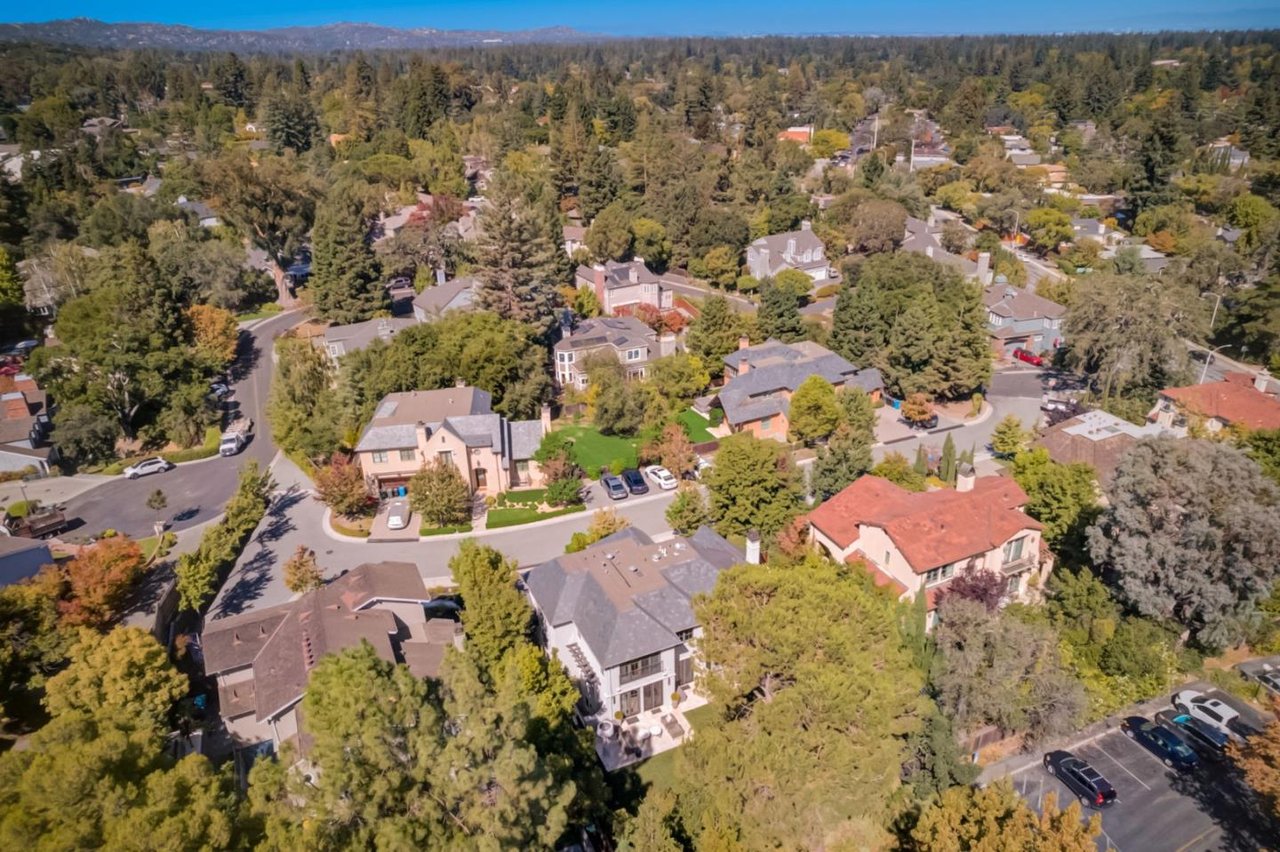
For trustees handling a Menlo Park trust home sale or Atherton trust property sale, there is another layer to consider: the local real estate market. Two properties a few blocks apart can attract different buyers and command different pricing based on lot size, condition, school district, street location, renovation potential, and neighborhood.
When I work with a trustee in Menlo Park or Atherton, I like to understand those pieces early so I can give them clear guidance on the property’s value, preparation, timing, and sale strategy.
That makes the order of operations important. Before spending money on improvements or choosing a list price, confirm who has authority to act, understand the property's current condition and value, and coordinate with the appropriate legal and tax professionals.
This guide addresses the real estate side of that process. Trust administration, fiduciary obligations, taxes, beneficiary rights, and signing authority should be reviewed with a qualified California estate attorney and CPA before a sale.
Can a Trustee Sell a Menlo Park or Atherton Trust Property?
A trustee may generally sell trust property when authorized by the trust and applicable law, but authority, notice requirements, beneficiary rights, and signing procedures depend on the trust and circumstances. A California estate attorney should confirm the trustee's authority before the property is marketed.
From the real estate side, one of the first steps is also confirming how the title is currently held. The person managing the property for the family may not necessarily be the person, or the only person, authorized to sign listing and sale documents.
For example, a property may involve a surviving spouse serving as trustee, successor trustees who became responsible after the original trustor's death, or co-trustees who must act according to the trust's provisions.
Finding this out before home preparation begins can prevent delays later.
For a Menlo Park or Atherton property, I also recommend establishing the real estate decision process early. Who can approve repairs? Who selects the list price? Who reviews offers? Who needs copies of market reports? These practical questions become especially important when several family members or advisors are involved.
How Does a California Trust Sale Differ From a Traditional Home Sale?
The physical process of selling the house can be very similar. The property may still be prepared, staged, photographed, marketed, shown, negotiated, and transferred through escrow.
The difference is often behind the scenes.
Trust sales also tend to involve more people. An estate attorney, CPA, appraiser, trustee, beneficiaries, title officer, escrow officer, and real estate agent may each have a distinct responsibility.
Clear communication matters because those roles shouldn't be blurred. A real estate agent can provide information about current market value, buyer behavior, preparation choices, marketing, and offers. Legal authority and trust interpretation belong with counsel. Tax treatment belongs with the appropriate tax professional.
What Documents Are Needed to Sell a Trust Property in California?
There isn't one document checklist that applies to every trust sale. The documents requested will depend on the trust, title, trustee circumstances, property, and requirements of the professionals handling the transaction.
Potential documents can include:
Certification of trust and relevant trust amendments or excerpts
Trustee identification and successor-trustee documentation
A death certificate when applicable
Affidavits requested by title
A property title report
Prior appraisals or valuations
Renovation, permit, and property records
Insurance information
Existing lease or occupancy documents
This is an area where early coordination with title and the trustee's attorney can save time. Waiting until an offer has been accepted to determine who can sign or what documentation is missing can create avoidable pressure during escrow.
For a long-held Menlo Park or Atherton home, renovation, permit, and property records can also be relevant to preparation, disclosures, buyer due diligence, and valuation.
Who Can Sign When Selling a Trust Property in California?
Depending on the circumstances, the transaction could involve a sole trustee, co-trustees, a successor trustee, or a corporate trustee. A trustee may have resigned or been replaced. Another person may hold a power of attorney, but whether and how that document can be used in a particular trust transaction requires legal and title review.
When I’m helping a family sell a home held in a trust, this is one of the first things I want clarified. I don’t want a trustee spending time coordinating repairs, clearing out a home, or preparing for the market only to find out later that another signature or document is required. Getting the right people involved early makes the real estate side much easier to manage.
This is especially helpful when the trustee lives outside California. Much of the real estate process can be coordinated electronically, but the ability to sign remotely doesn’t answer the underlying question of who has authority to sign.
Title and legal counsel should confirm that question early. Once authority is clear, I can structure the preparation, listing, offer review, and escrow process around the people who actually need to make decisions and execute documents.
Selling a Trust Property With Multiple Trustees or Beneficiaries
Different opinions are common when several family members are involved in a trust property sale. One person may want to renovate before selling. Another may prefer to sell as-is. Someone else may prioritize privacy and favor an off-market sale.
I’ve found that these conversations become much easier when we can move from opinions about the home to actual market information. A property may have been in the family for decades, and everyone can understandably have a different sense of what it’s worth or what should be done before selling. My job is to show them how buyers in Menlo Park or Atherton are likely to view the property today.
That may mean comparing the expected value of an as-is sale with a lightly prepared home, looking at recent neighborhood sales, estimating preparation costs, or explaining how the buyer pool changes at different price points. For some properties, a few targeted improvements can make sense. For others, the numbers don't support putting the trust through a lengthy renovation.
I want the trustees to have the same market information in front of them when making these decisions. Legal counsel should advise on fiduciary obligations, beneficiary rights, and who has authority to make the final decision. Once that direction is established, I can manage the real estate strategy around it.
How Should a Menlo Park or Atherton Trust Property Be Valued?
A current-market valuation answers a different question from a date-of-death appraisal.
The real estate agent's valuation focuses on what buyers are likely to pay under current market conditions. Depending on the trust circumstances, a CPA or estate attorney may also recommend a formal appraisal or retrospective appraisal for tax, trust administration, or other purposes.
For a current sale, local comparable properties are only the beginning.
In Menlo Park, value can change materially between neighborhoods such as Central Menlo, Allied Arts, West Menlo, The Willows, Sharon Heights, and Menlo Oaks. School district boundaries, lot characteristics, traffic patterns, renovation quality, floor plan, and proximity to downtown or Stanford can influence the buyer pool.
The same principle applies in Atherton. A property in Lindenwood should not automatically be evaluated the same way as a property in West Atherton, Atherton Oaks, Lloyden Park, or West of Alameda. Lot utility, privacy, street setting, existing improvements, redevelopment potential, and buyer expectations all affect pricing.
Long-held properties can be particularly challenging to price when there are few direct recent comparables. A large Atherton property with an older home, for example, may attract buyers interested in the existing residence, a substantial renovation, or the land itself. Each may view value differently.
A current-market valuation should account for the property’s condition, likely buyer, relevant recent sales, active competition, lot characteristics, and whether preparation could meaningfully affect the outcome.
Trustees who need an initial benchmark can also request a home valuation before deciding how to proceed.
Should You Renovate or Sell a Menlo Park or Atherton Trust Property As-Is?
When I’m evaluating a trust property, I look at the home’s condition, the time available, the likely return on any improvements, and the trustee’s priorities. There isn’t one preparation strategy that makes sense for every Menlo Park or Atherton home. In Menlo Park and Atherton, I don’t automatically equate an as-is sale with doing nothing. There is often a middle ground between taking on a major renovation and putting the property on the market exactly as the family left it.
I may recommend painting, landscaping, cleaning, updated lighting, minor repairs, pre-market inspections, or staging when I believe those changes will improve how buyers respond to the home.
I also handle the local coordination. Through our listing process, my team and I work with trusted painters, contractors, landscapers, cleaners, inspectors, and stagers, and we oversee the preparation from start to finish. That can be especially valuable when a trustee lives outside the area or simply doesn’t have the time to manage multiple vendors personally.
For a property that needs more extensive work, I can also evaluate whether our Refresh to Remodel approach makes sense based on the home, likely buyer, timeline, and expected market value.
Before the trust commits to repairs, staging, or a larger renovation, I recommend that the trustee confirm with their attorney and CPA that the proposed expenses are appropriate for the trust and understand any related legal, accounting, or fiduciary considerations.
Can a Trust Property Be Sold Off-Market in California?
Yes, a private sale can be an option, and it’s something I discuss with trustees when privacy, timing, or minimizing disruption is a priority.
For an inherited Atherton home, for example, a family may not want a highly visible public marketing campaign. The property may still be occupied, or family members may still be sorting through personal belongings. In those situations, I can explore a private sale before committing to a full public-market launch.
I also want trustees to understand the tradeoff. A public-market launch gives us broader buyer exposure and more information about what the market is willing to pay. With a private sale, we have fewer competing data points, so I pay close attention to the property’s current market value, buyer qualifications, offer terms, and how the proposed price compares with relevant Menlo Park or Atherton sales.
If you’re considering an off-market sale, I can compare the private opportunity with current market evidence and what broader exposure could potentially achieve. Your estate attorney should advise you on any fiduciary or legal considerations.
Through Dana Carmel Group’s Private Home Sale Opportunity, I can also confidentially evaluate whether an off-market strategy makes sense for the property and the trustee’s goals.
What If the Trustee Lives Outside California?
A trustee doesn’t necessarily need to be in California to manage the sale of a Menlo Park or Atherton property. I can coordinate contractors, cleaners, inspectors, stagers, photographers, property access, preparation, and communication with title and escrow locally, reducing the need for repeated travel.
Most transaction documents can be handled electronically when permitted, including through DocuSign. That means a trustee in New York, Los Angeles, or elsewhere can remain closely involved without needing to be physically present for every step.
I also establish early on how you want to communicate. Some trustees want detailed updates as preparation progresses. Others prefer a scheduled report covering work completed, expenses, showings, buyer feedback, and decisions coming up. I’m comfortable working either way.
Handling Personal Property Before Selling a Home in a Trust
Personal property is often one of the most time-consuming parts of selling an inherited or long-held family home.
Before cleaners, stagers, or contractors begin work, trustees should determine what needs to remain untouched and what can be removed. Family members may need time to distribute furniture, photographs, documents, art, jewelry, collections, or sentimental items.
Depending on the contents of the home, the process may involve an estate-sale professional, appraiser, storage company, donation service, mover, vehicle specialist, or secure document-disposal company.
Valuable art, jewelry, collections, financial documents, identification records, and other sensitive items should be handled separately from an ordinary cleanout.
The sequence matters. Starting a preparation project before the family has finished reviewing personal belongings can create unnecessary conflict and delays.
A practical order is to secure sensitive documents and valuables first, complete family distribution, arrange sales or donations, remove remaining contents, and then begin the agreed property preparation.
Legal counsel should advise the trustee on authority and obligations relating to trust-owned personal property.
Which Professionals Do You Need to Sell a Trust Property?
When I’m helping a trustee sell a home, I’m often working alongside several other professionals. I think it’s important that everyone stays within their area of expertise and that you know who to turn to for each question.
Your estate attorney can advise you on the trust, your authority as trustee, beneficiary rights, fiduciary responsibilities, notice requirements, and other legal questions surrounding the sale. Your CPA or tax advisor can address basis, tax consequences, reporting, deductions, and how the sale may affect the trust or beneficiaries.
If a formal current or retrospective valuation is needed, an appraiser can provide that report. Title and escrow professionals handle title requirements, transaction documentation, escrow instructions, and closing.
My role is the real estate side of the sale, including current-market valuation, preparation, pricing, marketing, offers, and transaction coordination.
Depending on the property, I may also bring in estate-sale professionals, contractors, stagers, landscapers, cleaners, movers, and other local vendors. This can be particularly helpful if you’re managing the property from outside the area or the home has been in the family for many years.
You can learn more about our listing process or review our past transactions.
Is Selling a Trust Property Different From a Probate Sale?
No. A trust sale and probate sale are distinct legal situations.
A home properly held in a trust may be administered and sold under the terms of that trust and applicable law. Probate involves a court-supervised estate administration process when applicable.
The exact path depends on how title is held, the estate plan, the trust, and the circumstances after an owner's death. A real estate agent shouldn't determine whether a particular property requires probate or interpret the governing estate documents.
A California estate attorney should make that determination.
From a marketing standpoint, both types of properties may eventually look like ordinary listings to a buyer. The important differences concern authority, documentation, approvals, disclosures, timelines, and how the transaction is administered.
Do Trustees Have to Provide Seller Disclosures in California?
A trust sale doesn't automatically eliminate disclosure questions.
Disclosure requirements can depend on the seller's circumstances and applicable exemptions. Trustees should review the disclosure requirements for their particular transaction with their attorney and real estate professional.
There is also a practical issue with long-held family homes. A successor trustee may never have occupied the property and may know considerably less about it than the former owner did.
Pre-market inspections and available property records can give buyers more information about the home's physical condition. They can also identify issues before the property reaches the market.
For trustees, the goal should be an organized, well-documented disclosure process based on information actually available, rather than assumptions about a property they may not know personally.
How Long Does a Trust Home Sale Take in California?
There isn't one standard timeline because the trust administration and property preparation stages can vary substantially.
A trustee who already has confirmed authority, an empty property, organized records, and a market-ready home may move quickly. A family sorting through decades of belongings while obtaining legal documentation and deciding among several preparation options may need considerably longer before listing.
A practical sequence is:
Confirm authority and title. Have the appropriate legal and title professionals determine who can act and sign.
Establish decision-makers. Define who approves pricing, expenses, offers, and other real estate decisions.
Obtain valuation. Assess current market value and determine whether another appraisal is appropriate.
Review legal and tax issues. Address trust-specific questions with the estate attorney and CPA.
Determine preparation scope. Compare an as-is sale, light preparation, and any larger work under consideration.
Organize personal property. Complete family distribution, estate sales, donations, storage, and cleanout.
Complete appropriate disclosures and reports. Coordinate property records, inspections, and applicable seller documentation.
Select the marketing strategy. Decide between public-market exposure and any private-sale approach under consideration.
Review offers. Compare price alongside financing, contingencies, timing, certainty, and other terms.
Complete escrow and distribution instructions. Coordinate the closing with escrow, title, counsel, and tax professionals as appropriate.
My standard listing process starts with pricing and timing strategy, followed by home preparation and vendor coordination, staging, photography, marketing, showings, buyer feedback, offer negotiation, and escrow.
For a trust property, I adapt those steps around the legal and administrative work that needs to happen first. Once the appropriate professionals have confirmed authority and any trust-specific requirements, I can build the real estate timeline around what you and the property need.
Choosing an Agent for a Menlo Park or Atherton Trust Sale
Selling a trust property can require more coordination than a typical home sale, so I recommend asking prospective agents questions that go beyond sales volume.
Ask how they would establish value if there are few direct comparable sales. Find out whether they can provide both an as-is and prepared-for-market assessment. Ask who will coordinate contractors, inspections, staging, property access, and other work at the house, particularly if you live outside the area.
I’d also ask how the agent will document pricing recommendations, preparation decisions, buyer feedback, and offers. When several trustees, beneficiaries, or advisors are involved, having clear market information can make decisions easier to explain and evaluate. You can see examples of how I’ve helped local clients navigate complex sales and achieve their real estate goals in my Client Success Stories.
For a Menlo Park or Atherton trust property, the agent should also be able to explain how the specific neighborhood, street, lot, condition, and likely buyer pool affect the recommended strategy.
Those are the same standards I would want a trustee to use when interviewing me.
Preparing a Menlo Park or Atherton Trust Property for Sale
I encourage trustees to address as many of the important questions as possible before the property reaches the market.
That means confirming who has authority to act, getting a current local valuation, determining with your advisors whether a formal or retrospective appraisal is needed, and reviewing relevant tax questions with your CPA. I also recommend deciding how much preparation makes sense, how trustees and beneficiaries will communicate, and whether a public or private sale is the better fit for the property.
Getting those pieces in place early gives me a much clearer starting point for the real estate side of the sale. From there, I can help you evaluate timing, preparation, pricing, and marketing based on the property itself and what I’m seeing from buyers in Menlo Park or Atherton.
Frequently Asked Questions About Selling a Trust Property in California
Can a trustee sell a house without beneficiary approval in California?
A California trustee may have authority to sell a house without obtaining beneficiary approval, depending on the terms of the trust and the circumstances. California law gives trustees the power to dispose of trust property, but trustees must act according to the trust and their duties to beneficiaries. Any required notices, consents, or other procedures should be confirmed with a California estate attorney before the property is marketed.
What documents are needed to sell a house in a trust?
The documents needed to sell trust property vary by transaction. They may include a certification of trust, trust amendments or excerpts, trustee identification, documents establishing a successor trustee’s authority, a death certificate when applicable, and documents requested by the title company. The trustee should confirm the specific requirements with legal counsel and title before listing.
Can co-trustees sign separately when selling a house?
Whether co-trustees can sign separately depends first on the trust instrument. Under California law, unless the trust provides otherwise, a power held by two or more trustees generally must be exercised unanimously. The trust and title requirements should therefore be reviewed before the property is listed so the trustees understand who must approve and sign the sale documents.
Is selling a house in a trust the same as probate?
No. Selling property held in a trust and selling property through probate are different legal processes. Property properly held in a living trust may be transferred or administered without formal probate, while probate is a court process used to administer certain property after a person dies. How a particular property should be handled depends on title, the estate plan, and the circumstances, so a California estate attorney should confirm the appropriate process.
Can a trust property be sold off-market?
Yes. California law permits a trustee to dispose of trust property through a public or private sale, subject to the trust and the trustee’s legal duties. For a private sale, I recommend that trustees compare the proposed price with current market evidence and discuss any fiduciary considerations with their estate attorney. For a valuable Menlo Park or Atherton property, that analysis can be especially useful when deciding whether privacy outweighs the benefits of broader market exposure.
Who decides the list price of a trust property?
The trustee or trustees with authority to sell the property will generally make decisions about pricing, subject to the trust and their legal duties. The real estate agent can provide comparable sales, competing inventory, property-specific market analysis, and a recommended pricing strategy. If authority is unclear or multiple trustees are involved, the trustee should confirm the decision-making requirements with legal counsel.
Does a trust property need an appraisal before it is sold?
Not every trust property needs a formal appraisal before it is listed for sale. Depending on the circumstances, however, a current or retrospective appraisal may be appropriate for trust administration or tax purposes. The trustee should ask the estate attorney and CPA whether an appraisal is needed. A real estate market analysis serves a different purpose by estimating how the property is likely to perform in the current market.
Can an out-of-state trustee sell a California property?
A trustee does not necessarily need to live in California to manage the real estate sale from another state. Much of the real estate process can be coordinated remotely, including property preparation, vendor access, inspections, staging, showings, and escrow communication. The trustee should confirm their authority and any signing requirements with legal counsel and the title company.
Can a trust pay for repairs and staging before selling a house?
Whether a trust can pay for repairs, staging, or other property-preparation expenses depends on the trust and the circumstances. A real estate agent can recommend preparation work and provide cost estimates, while the trustee’s attorney and CPA should advise on the trustee’s authority to incur those expenses and their legal or tax treatment.
How are proceeds from the sale of a trust property distributed?
Sale proceeds are generally handled through escrow at closing, but how those funds are subsequently held, administered, or distributed depends on the trust and the applicable legal and tax requirements. Trustees should obtain guidance from their attorney and CPA before distributing trust assets to beneficiaries.
Does the primary-residence tax exclusion apply to a trust sale?
The primary-residence exclusion may apply in some trust-sale situations, but eligibility depends on the trust structure, ownership and occupancy history, timing, and other tax circumstances. Because trust ownership can affect the analysis, the trustee should have a CPA or qualified tax attorney determine whether the Section 121 exclusion applies before relying on it.
Which professionals should a trustee consult before selling a house?
Before selling a home held in a trust, a trustee will commonly work with a California estate attorney, CPA or tax professional, title and escrow professionals, and a real estate agent with relevant local experience. Depending on the property, an appraiser, estate-sale professional, contractor, stager, mover, or property manager may also be useful.
If you’re responsible for a trust property in Menlo Park or Atherton, I can help you understand what the home is worth today, what preparation may make sense, and what it would take to bring the property to market. Contact me for a confidential conversation about the property and your options, even if you’re still early in the process and not ready to sell. Your California estate attorney and CPA should advise you separately on the legal and tax aspects of the trust sale.