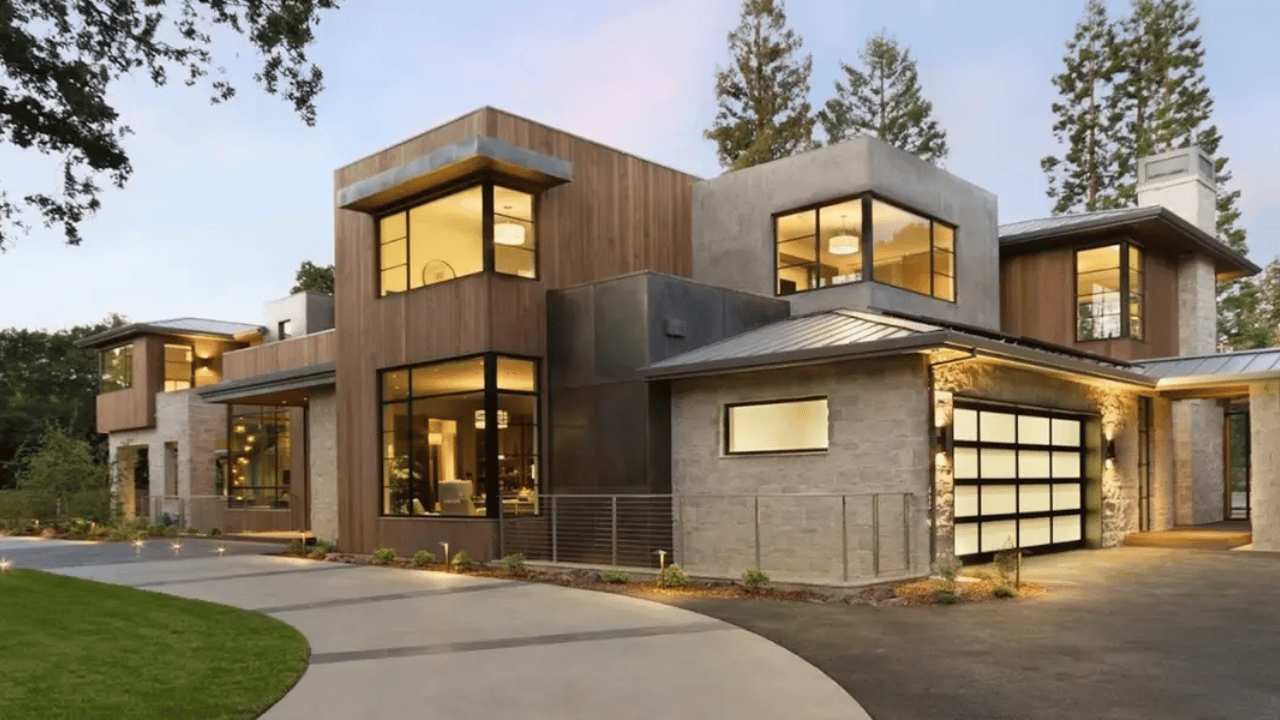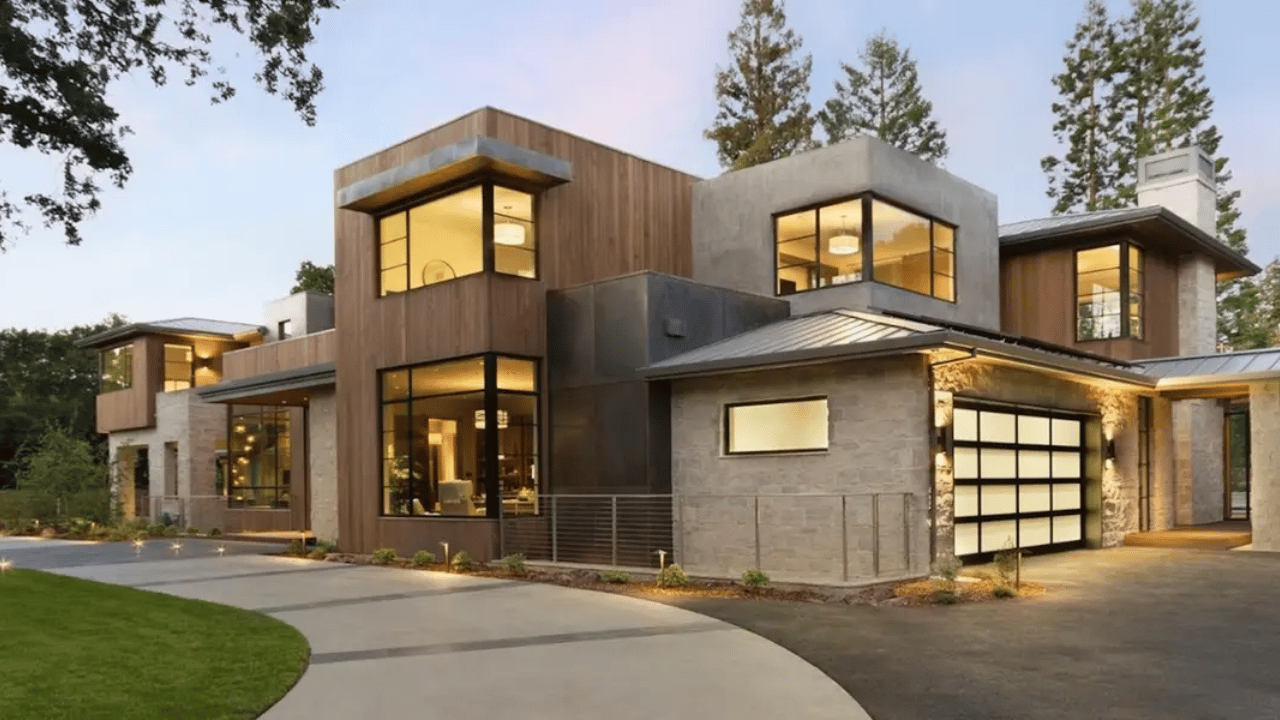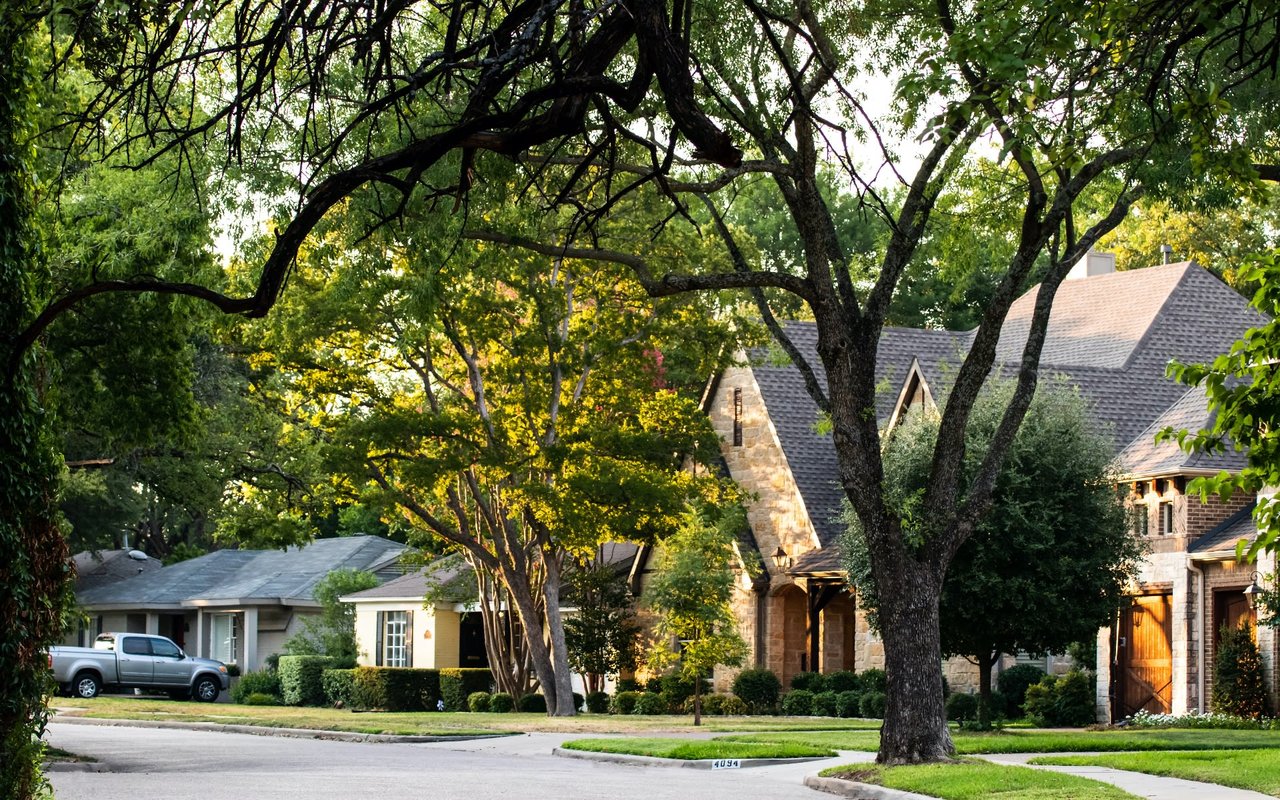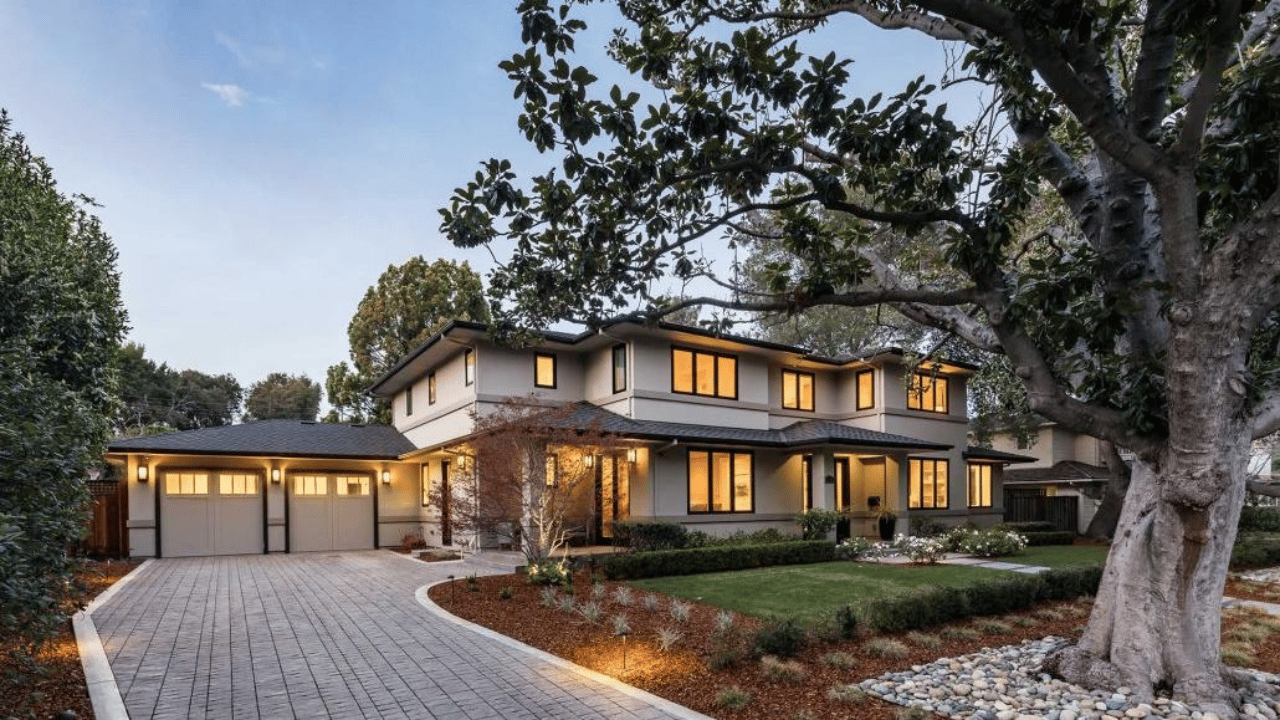
Zoning matters everywhere, but it carries extra weight in Atherton. Large estate parcels, strict development standards, and a strong emphasis on privacy mean that land use decisions here have lasting consequences.
Homeowners often assume zoning is only relevant when building or selling. In Atherton, zoning quietly influences daily livability, future flexibility, and long-term property value. This guide is designed to explain Atherton zoning rules in plain English so homeowners, estate buyers, and long-term owners can evaluate their options more clearly.
This is not legal advice. It is a practical, real-world overview meant to help you ask better questions and make more informed decisions.
Why Zoning Is a Big Deal in Atherton
Atherton’s zoning framework is intentionally conservative.
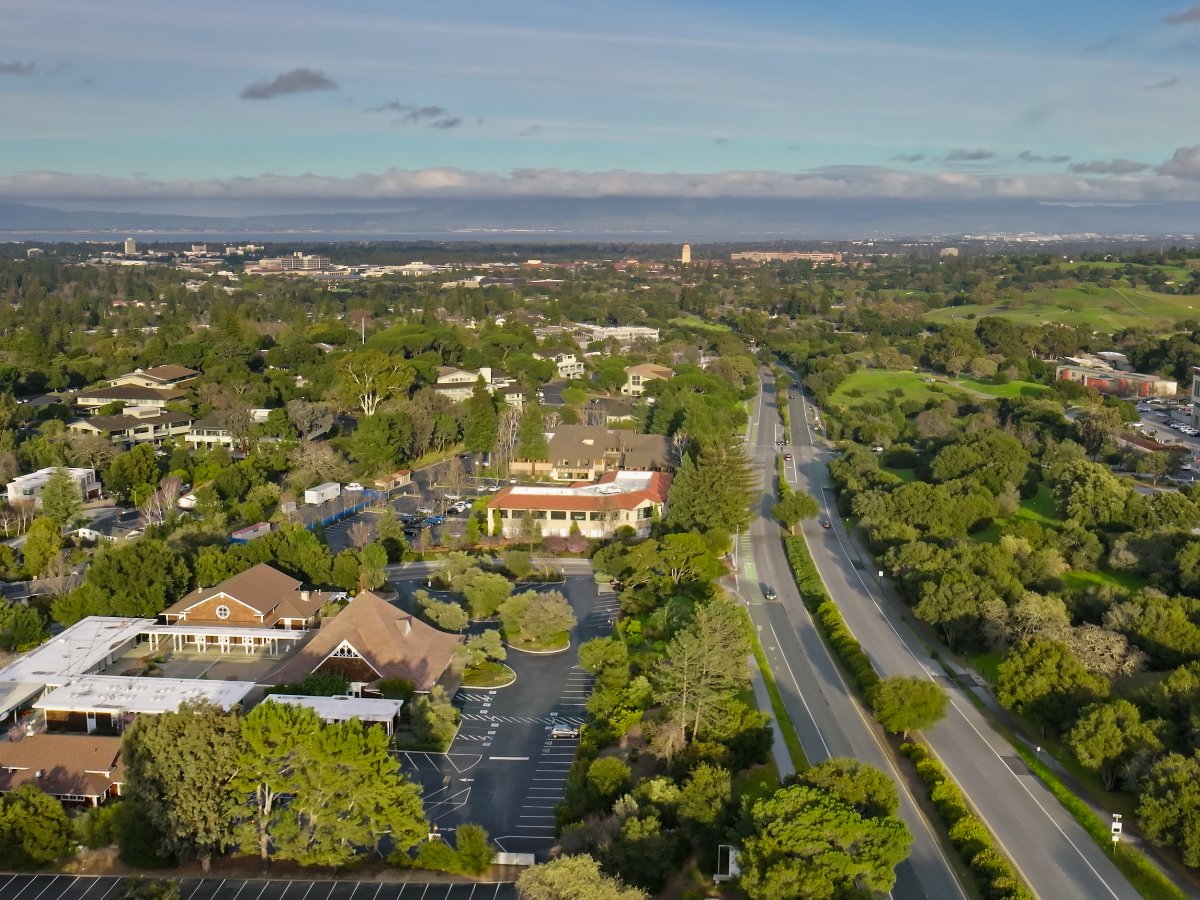
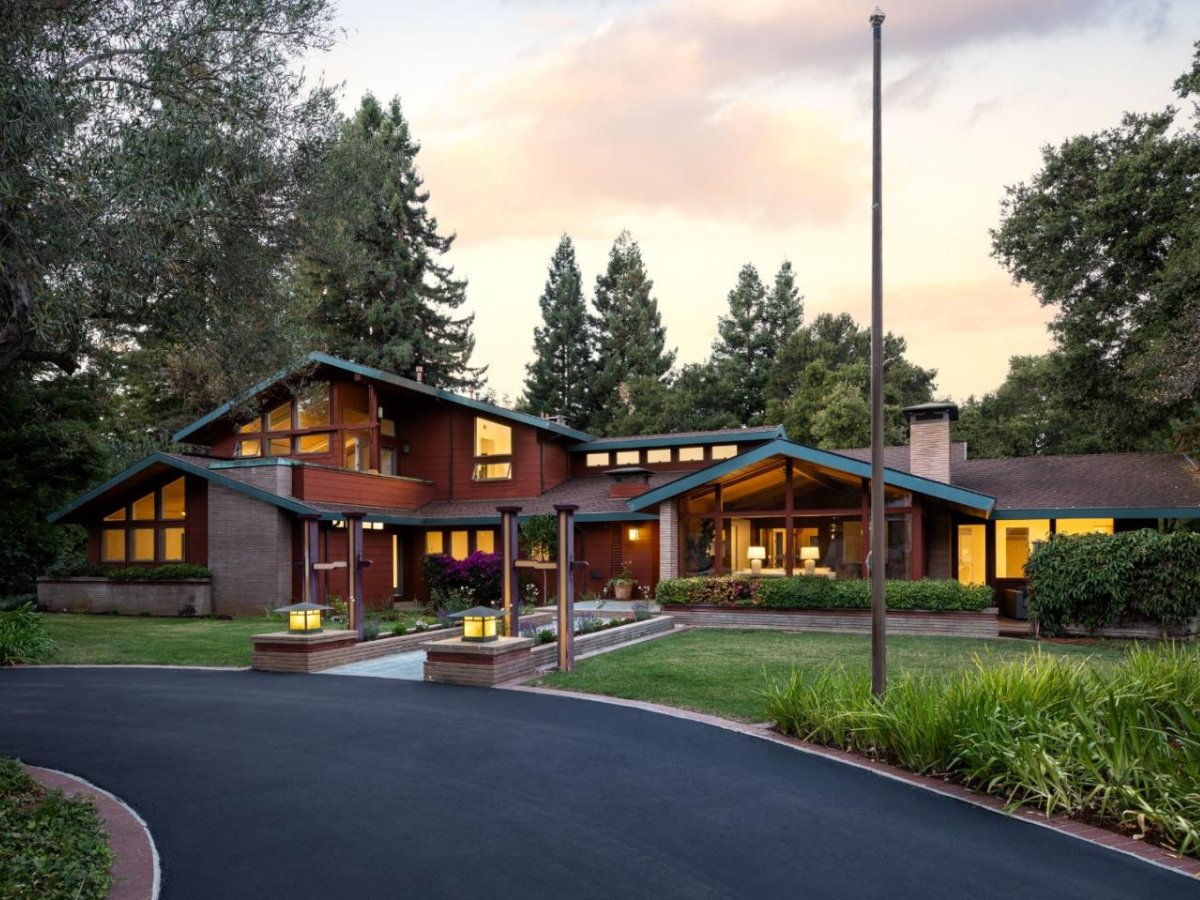
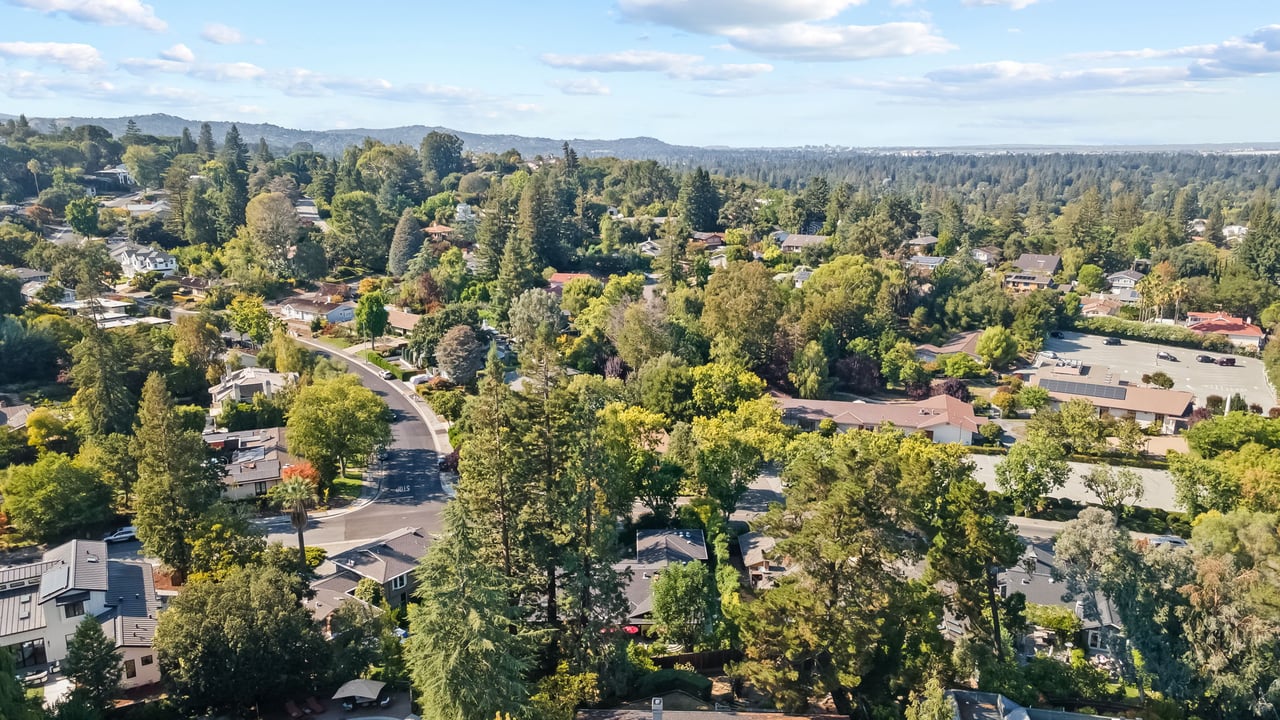
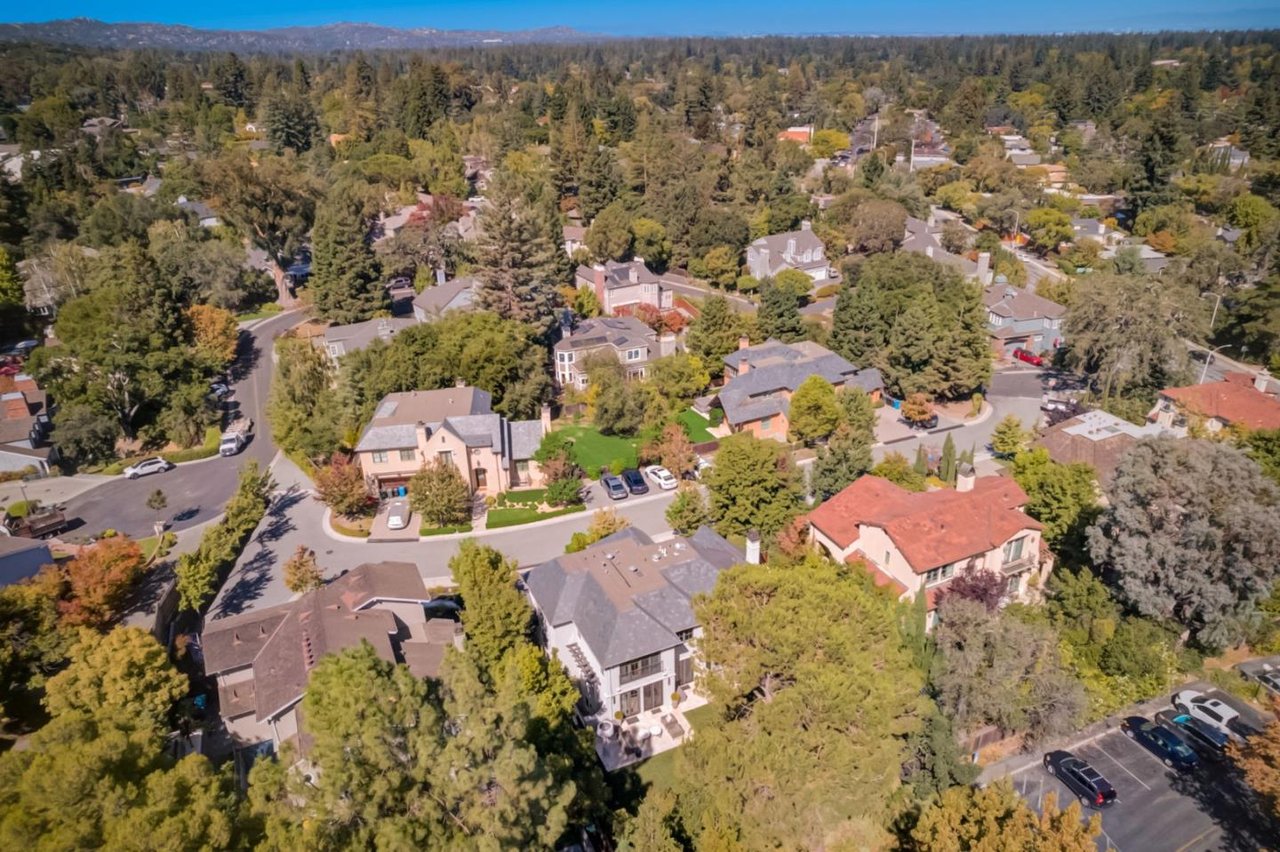
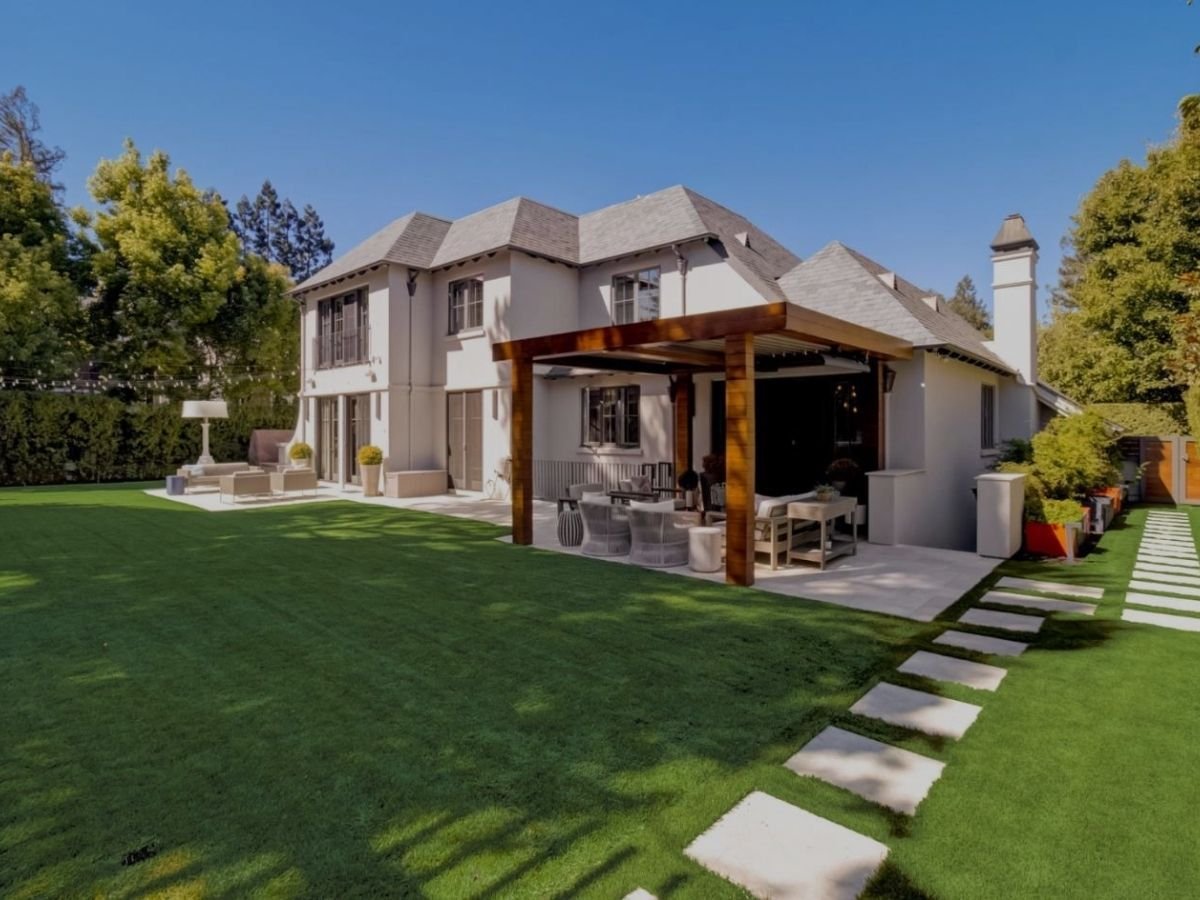
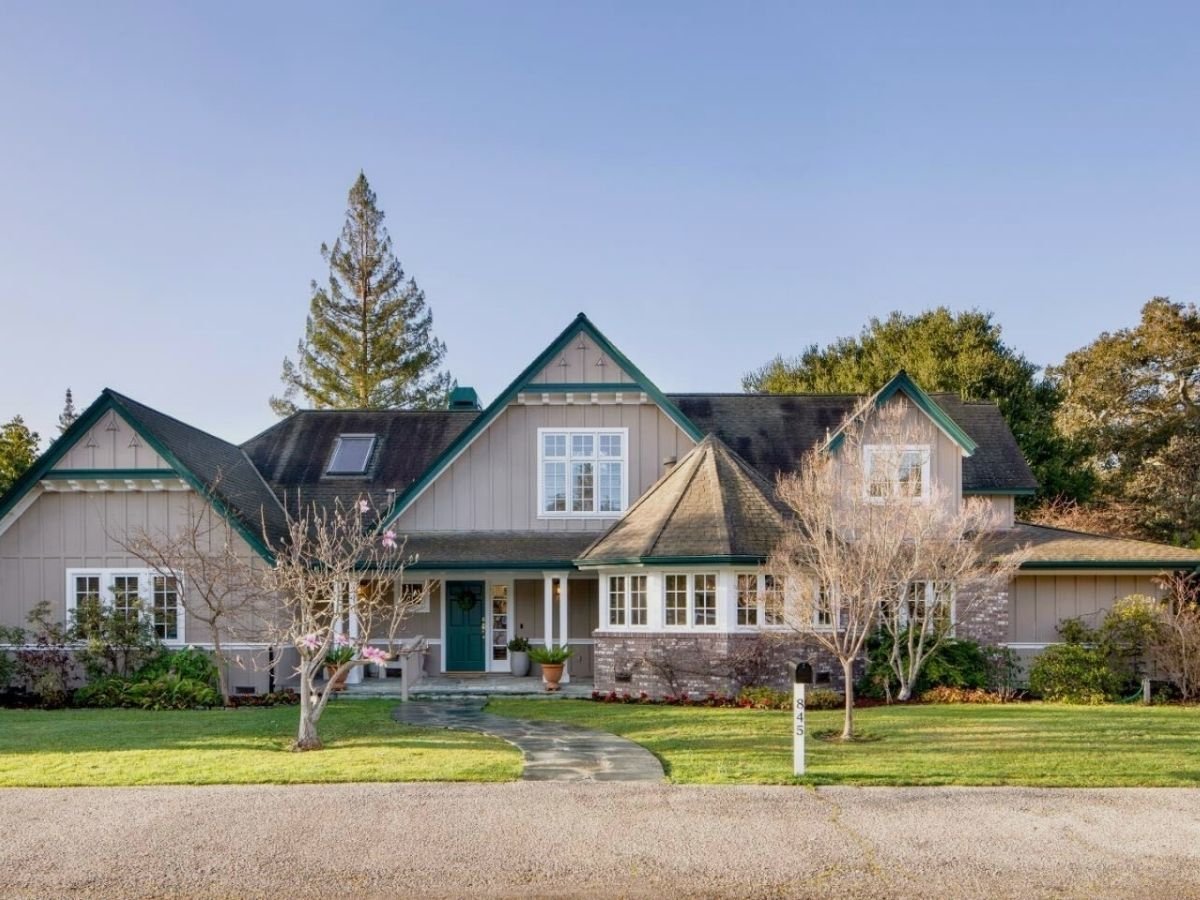
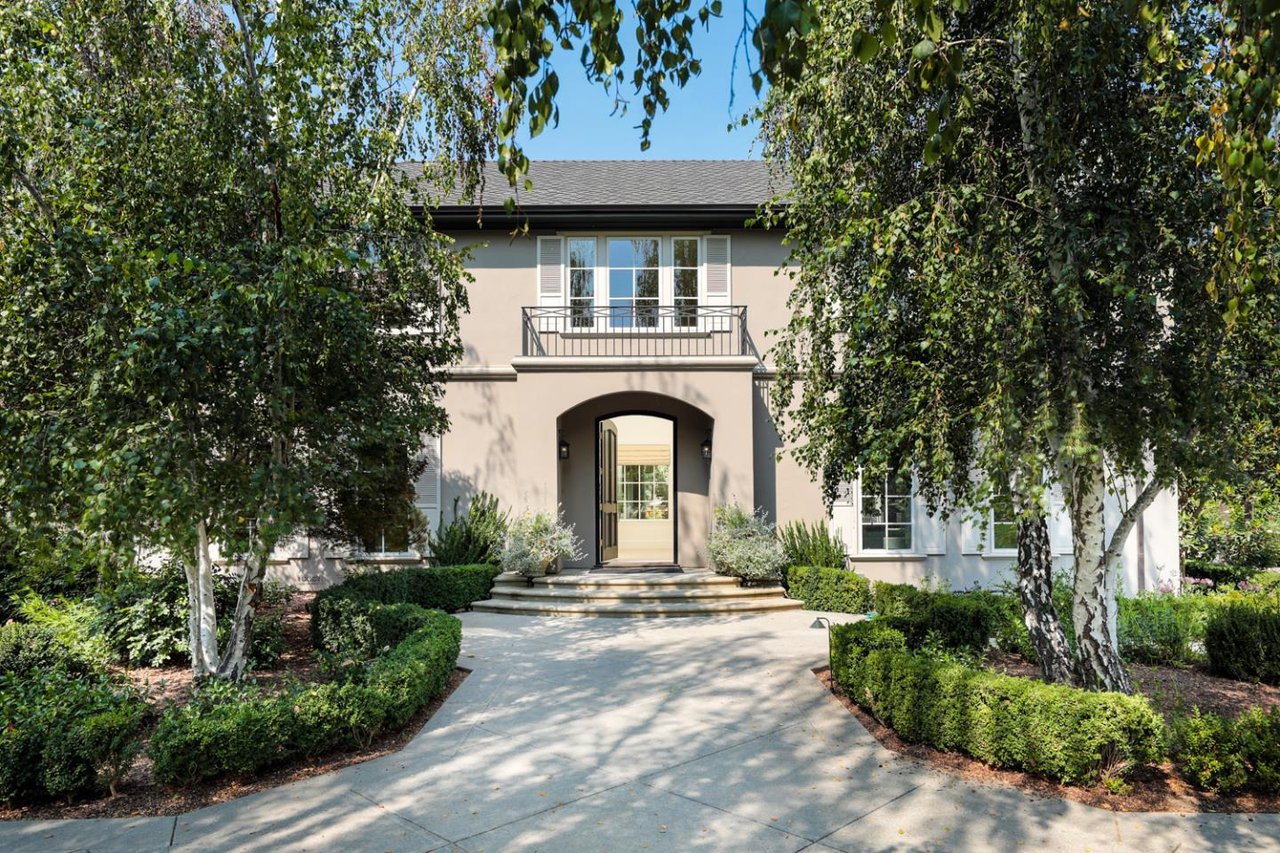
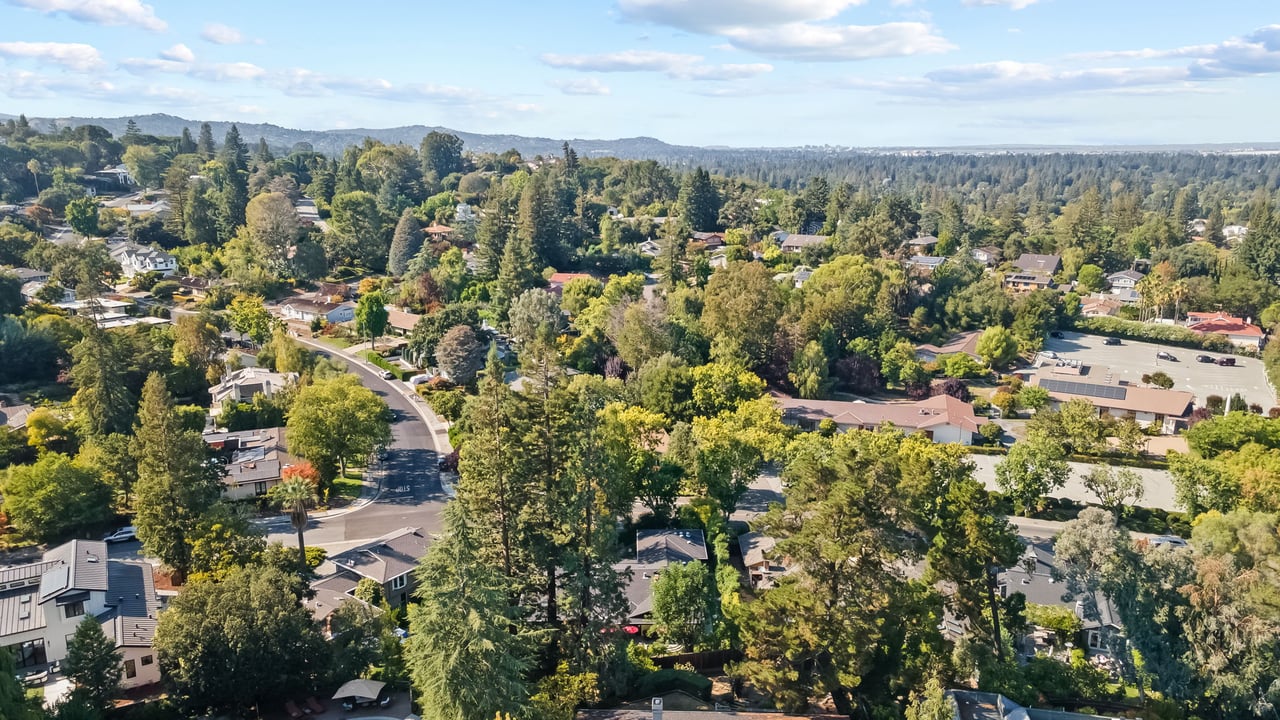
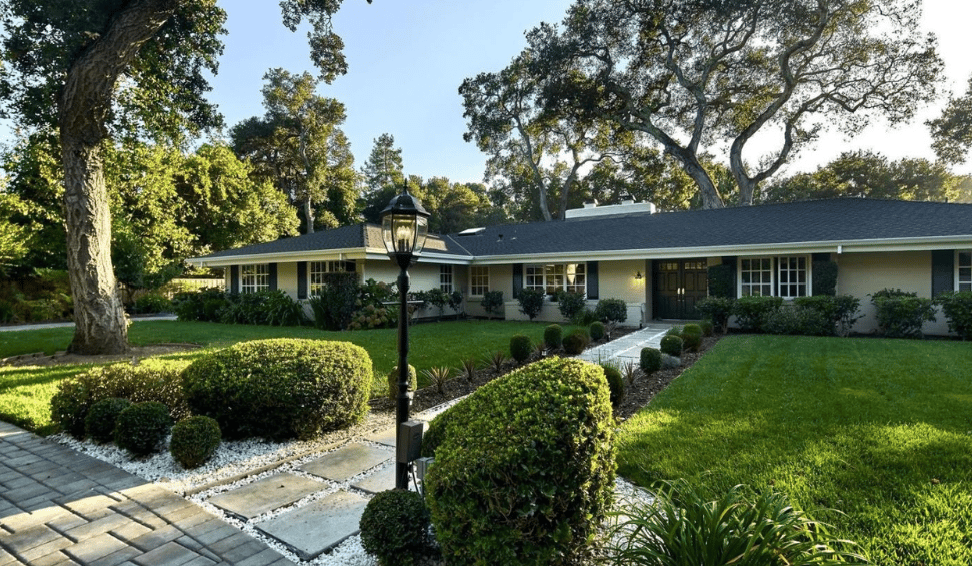
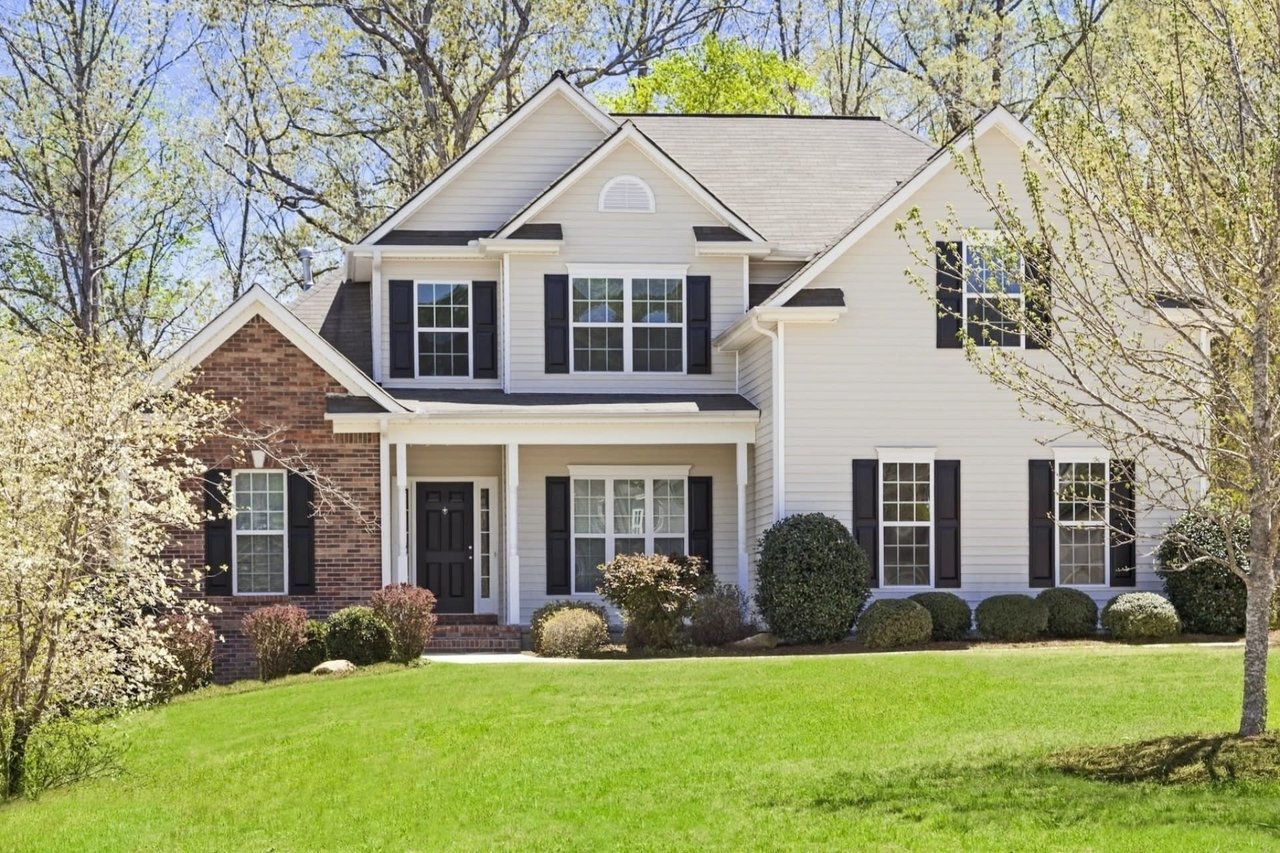
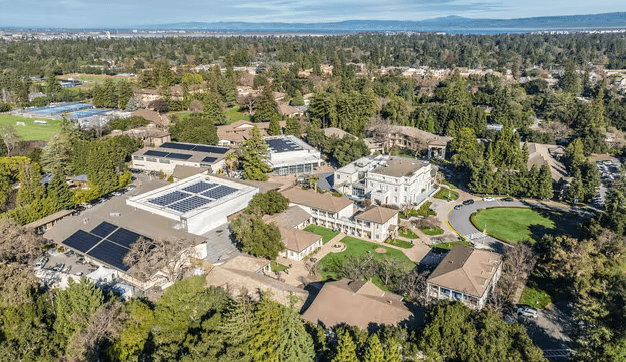
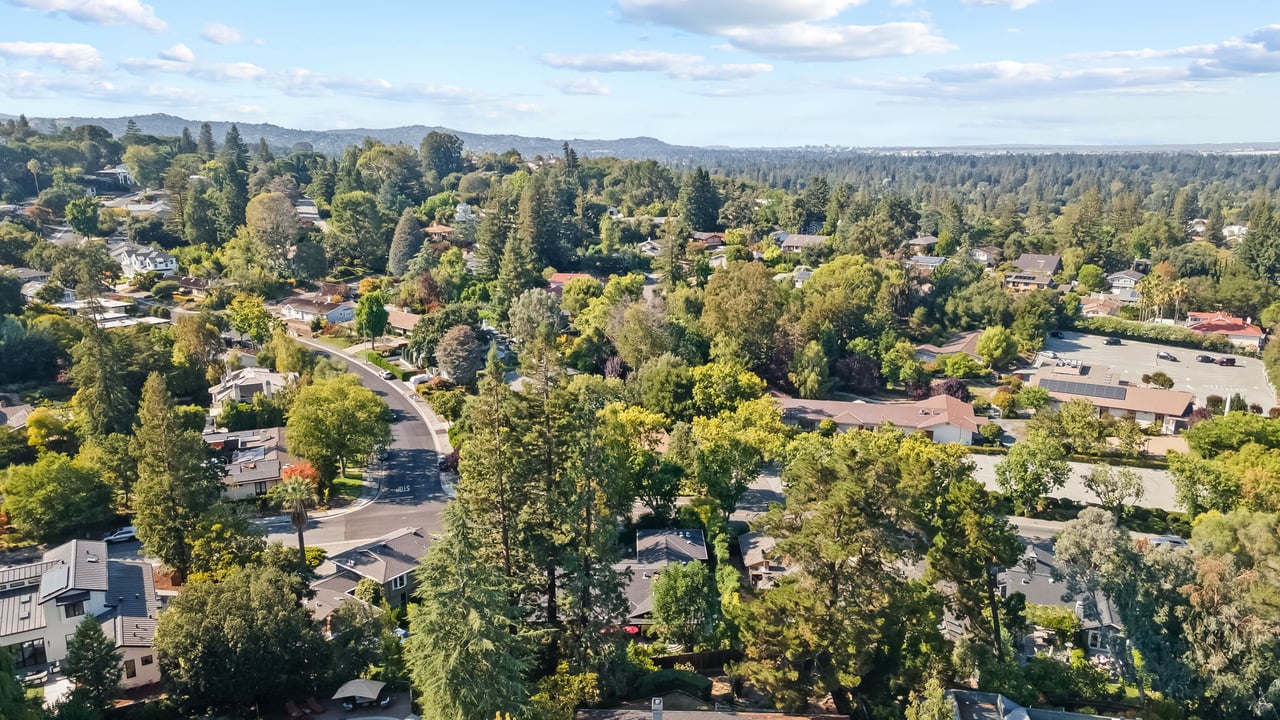
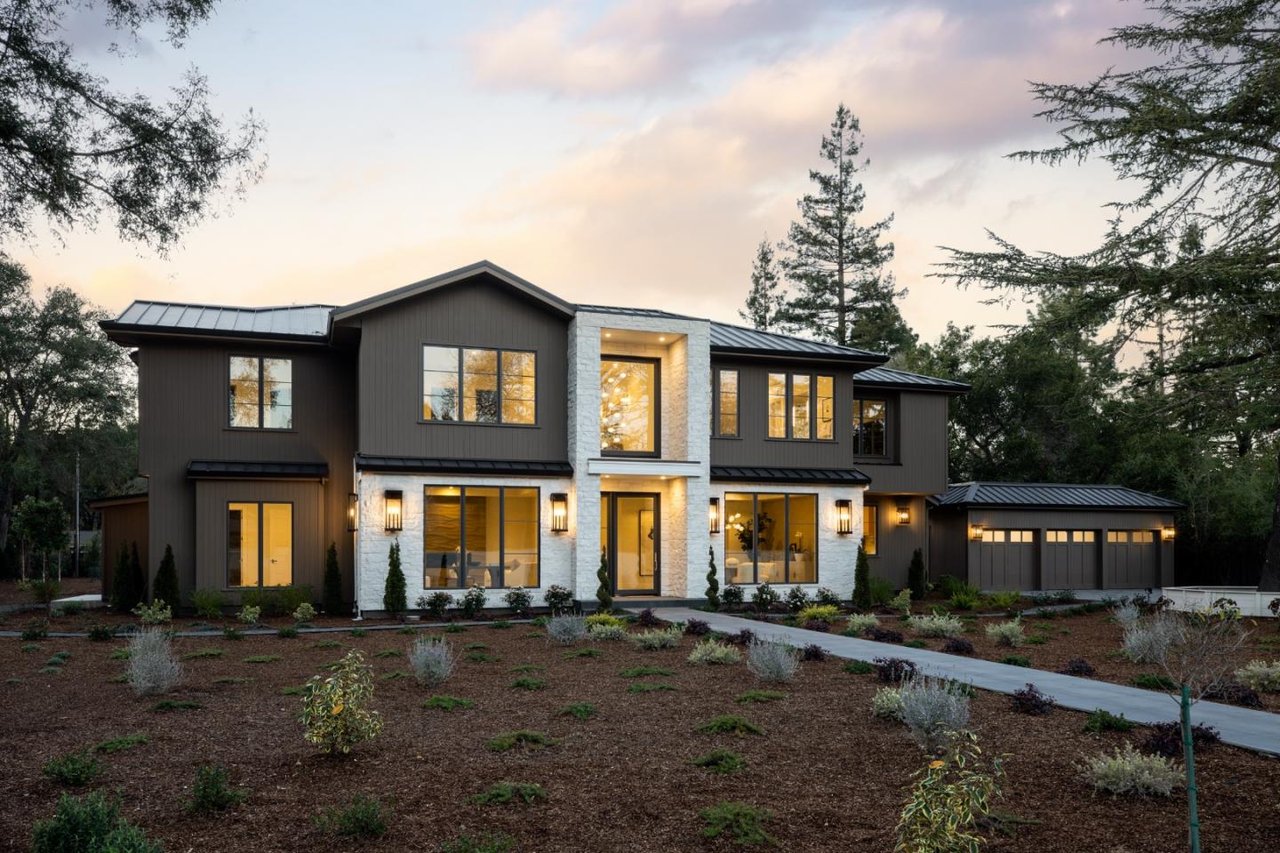
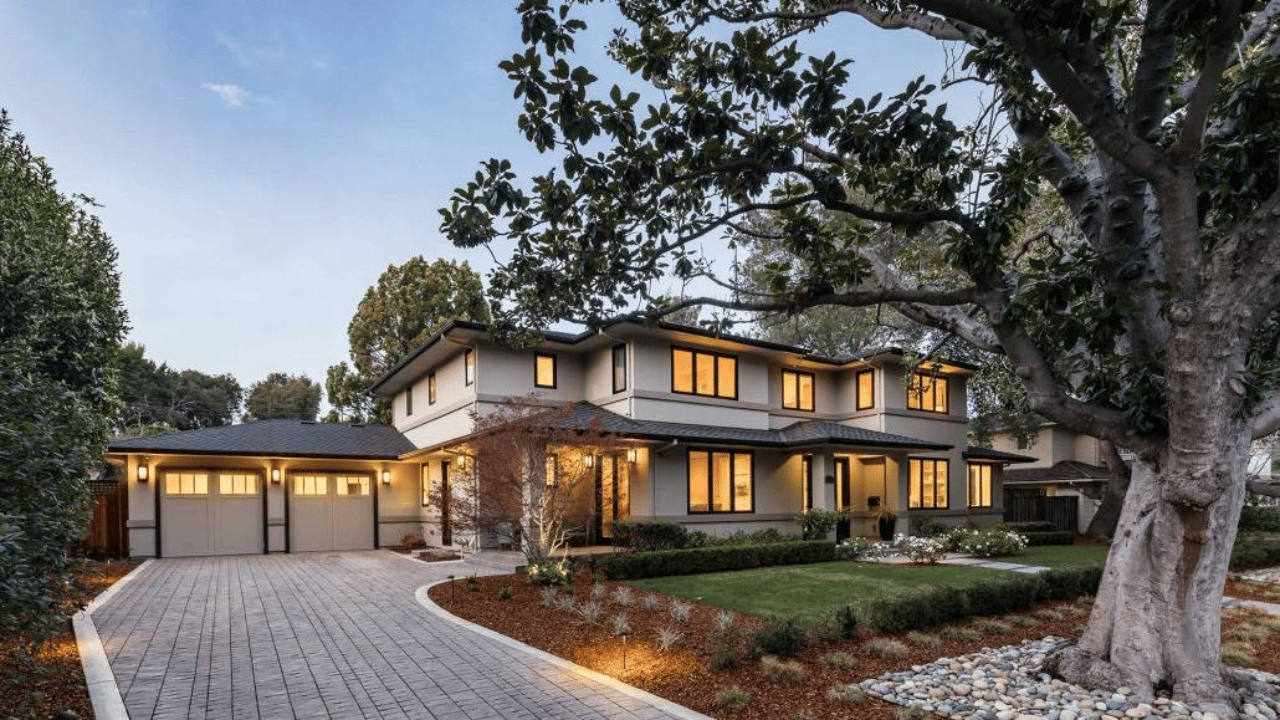
The town is known for estate-scale lots, limited density, and a residential character that prioritizes space and privacy. Zoning rules reinforce these priorities by controlling how properties can be developed, expanded, or altered.
Because land values are so high, zoning directly affects resale value. A property’s ability to expand, remodel, or modernize within the rules often influences buyer demand just as much as location or architecture.
Atherton’s Core Zoning Designations Explained Simply
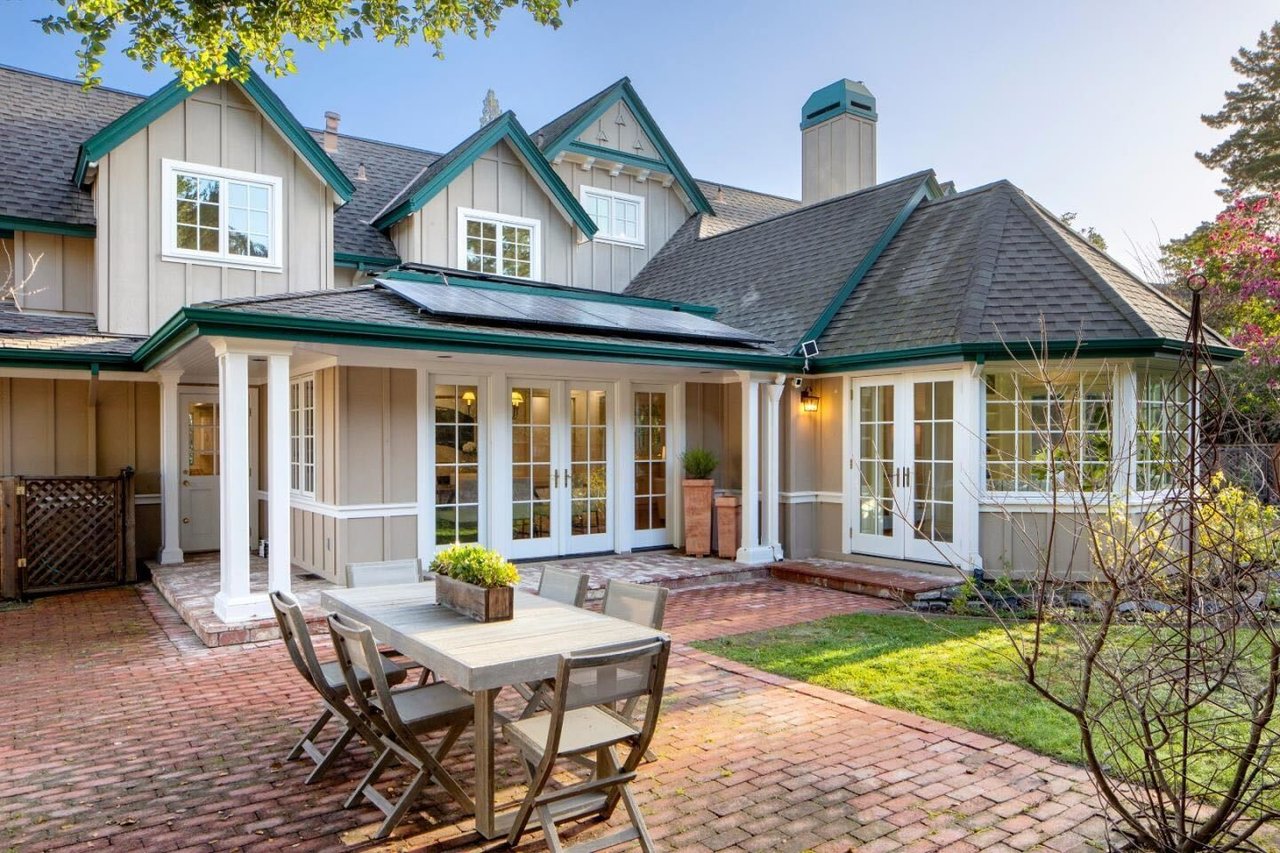
Most residential property in Atherton is zoned for single-family use. This means one primary residence per lot, with limited exceptions.
Minimum lot sizes are larger than in most Silicon Valley communities. While the technical requirements vary by zone, the intent is consistent: maintain low density and preserve the estate-style environment.
Zoning also governs height limits, setbacks from property lines, and how much of the lot can be covered by structures. These rules shape how large a home can be, how it sits on the land, and how visible it is to neighbors.
What Homeowners Can Typically Do Under Atherton Zoning Rules
Many homeowners are surprised to learn that Atherton zoning allows meaningful flexibility when approached correctly.
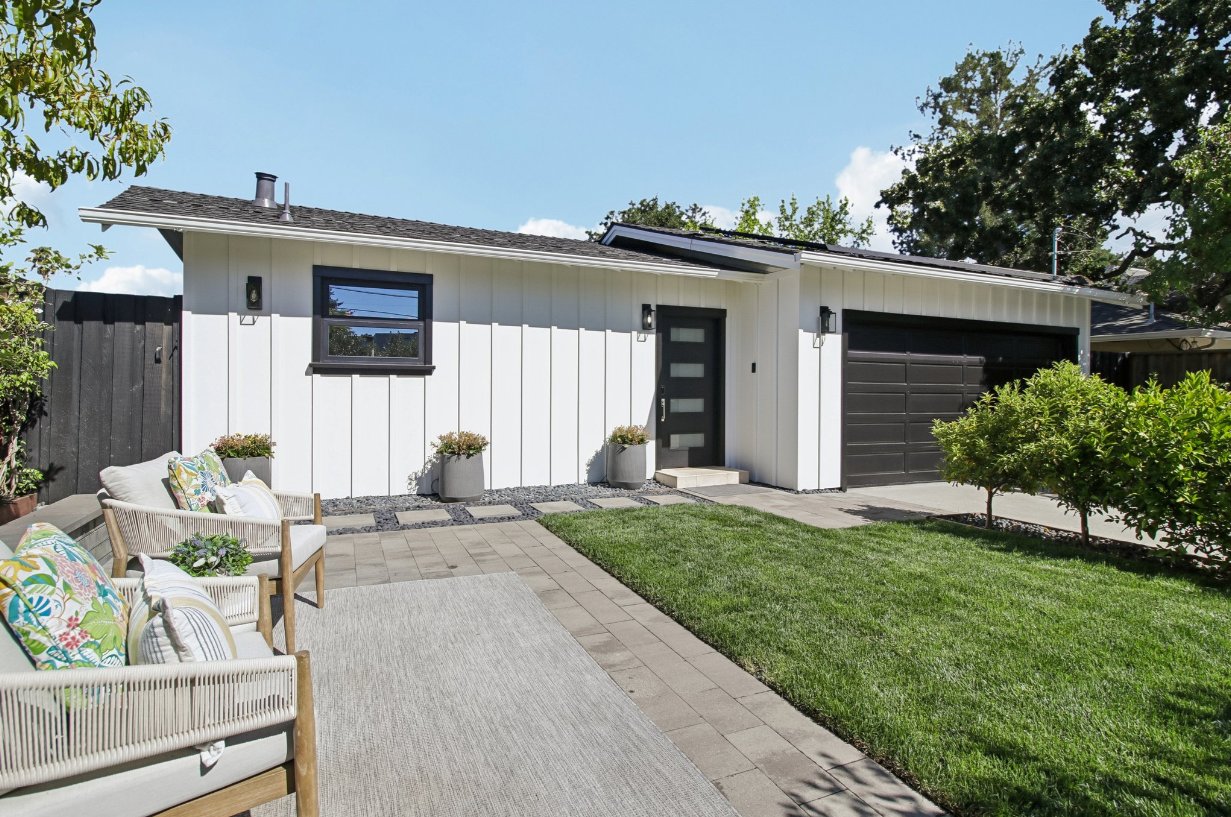
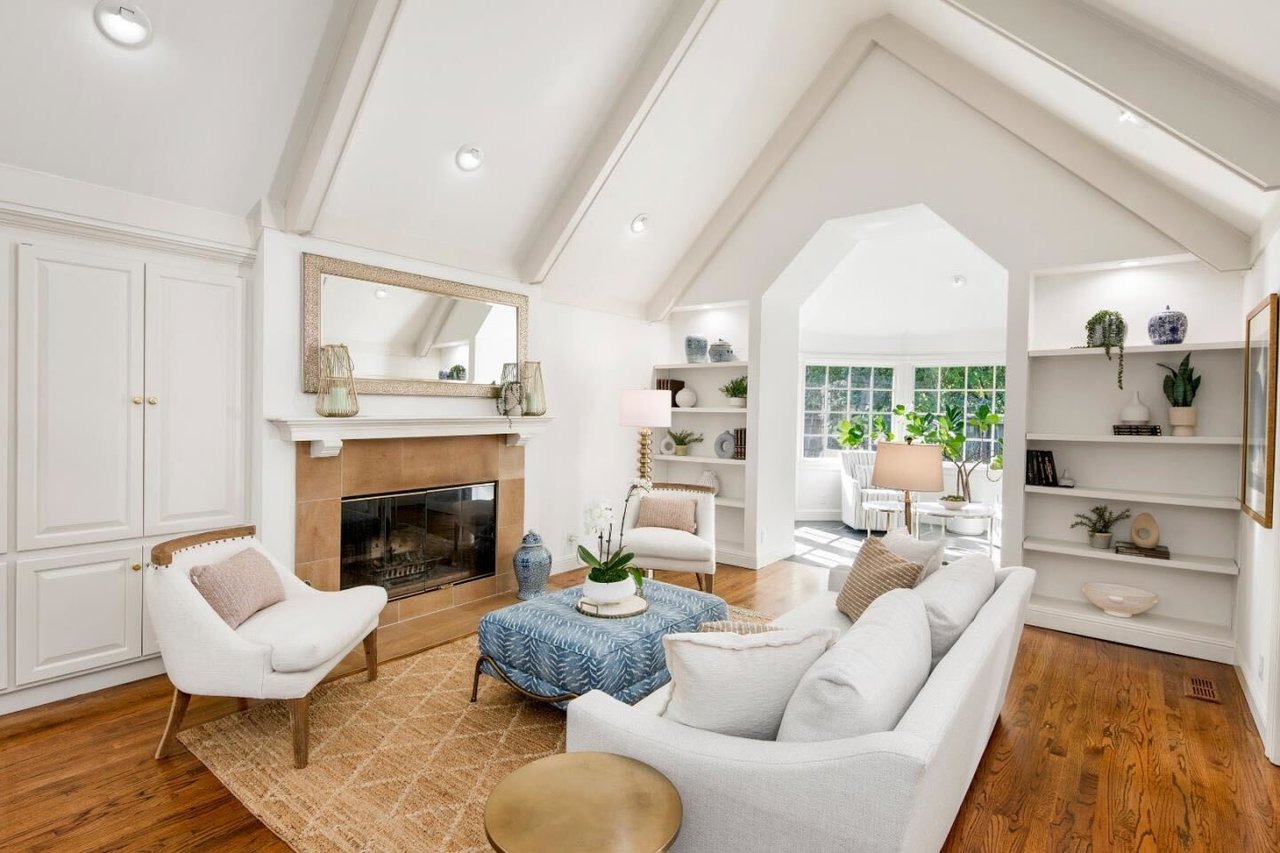
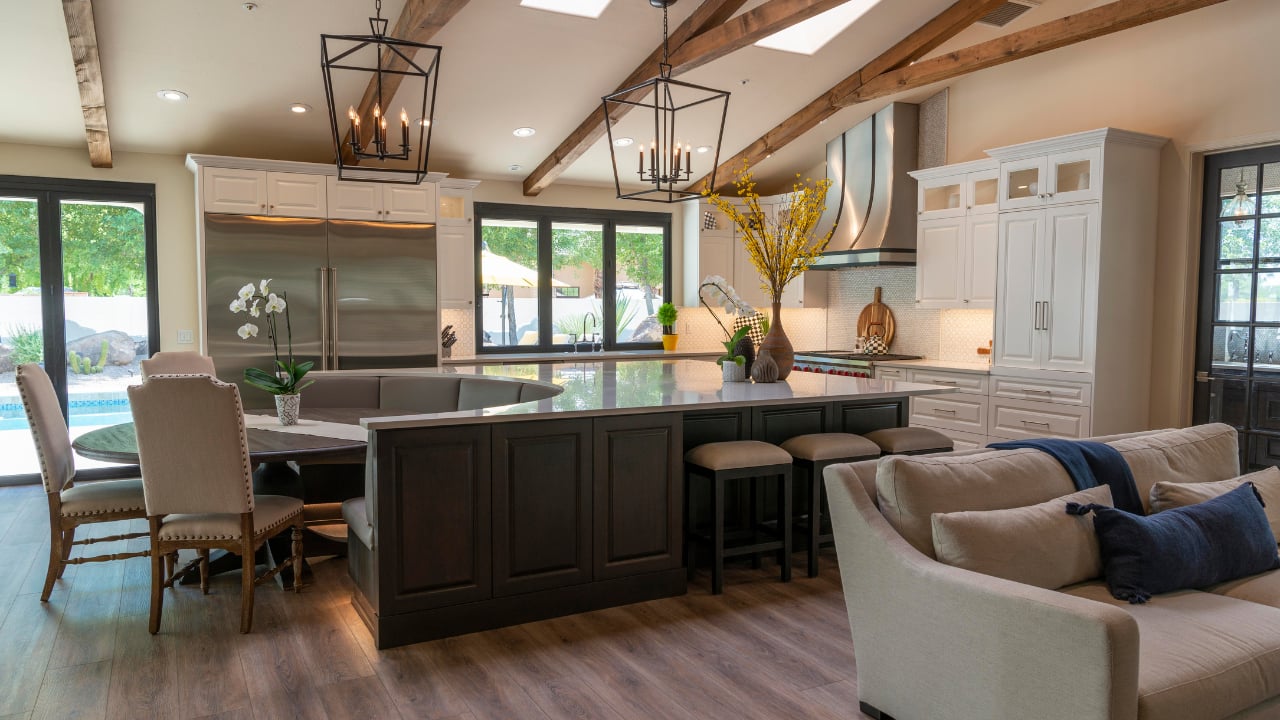
Remodeling an existing home is generally straightforward when changes stay within established limits. Rebuilding is also common, provided the new structure complies with setbacks, height restrictions, and lot coverage requirements.
Adding square footage is often possible, especially on larger lots, though design and scale matter. Landscaping improvements, gates, fences, and perimeter changes are typically allowed, subject to guidelines that protect sightlines and neighborhood character.
What Homeowners Can’t Easily Do in Atherton
Certain uses are intentionally difficult or discouraged.
Subdividing lots is rare and highly restricted. Even when technically possible, the process can be lengthy, uncertain, and closely scrutinized.
High-density development is not aligned with Atherton’s zoning goals. Multi-unit configurations, apartment-style layouts, or uses that increase density beyond a single-family residence are generally not permitted.
These limitations are part of what preserves Atherton’s character, but they also shape what buyers expect when evaluating a property.
How Zoning Rules Interact With Market Reality
Zoning approval does not automatically equal market appeal.
A project may be allowed on paper but still be viewed as undesirable by buyers. Oversized homes, aggressive lot coverage, or designs that push limits can sometimes reduce appeal rather than enhance it.
Savvy buyers interpret zoning flexibility carefully. They value optionality, but they also respond to balance, scale, and how well a home fits its surroundings.
How Atherton Zoning Rules Affect Property Value and Buyer Demand
Homes that comply cleanly with zoning while offering room to expand often command a premium. Buyers value properties that allow future updates without regulatory friction.
At the same time, there is risk in over-improvement. Building to the maximum allowable size does not always translate to higher value, especially if the result feels out of proportion with neighboring estates.
Understanding Atherton zoning rules helps homeowners protect value today while preserving flexibility for tomorrow.
For contrast, you may also want to explore how zoning is applied more flexibly in nearby communities through resources like ADUs in Menlo Park or lifestyle-focused pieces such as What It’s Like to Live in a Gated Community in Atherton.
Common Questions About Atherton Zoning Rules
What zoning rules apply in Atherton?
Most residential properties are zoned for single-family use with large minimum lot sizes, strict setback requirements, and limits on height and lot coverage designed to preserve privacy and low density.
Can you subdivide property in Atherton?
Subdivision is highly restricted and uncommon. Even when technically allowed, approvals are complex and closely reviewed, making subdivision difficult in practice.
Does zoning affect resale value?
Yes. Zoning influences what can be built, expanded, or modified, which directly affects buyer demand, future flexibility, and long-term property value.
Atherton zoning rules are not just technical details. They shape how properties live, evolve, and perform in the market. For homeowners and estate buyers alike, understanding these rules early creates clarity and confidence before making any major decisions.