Many sellers fixate on days on market the moment their home goes live. Each passing day can feel like a public scorecard, raising quiet concerns about pricing, condition, or demand.
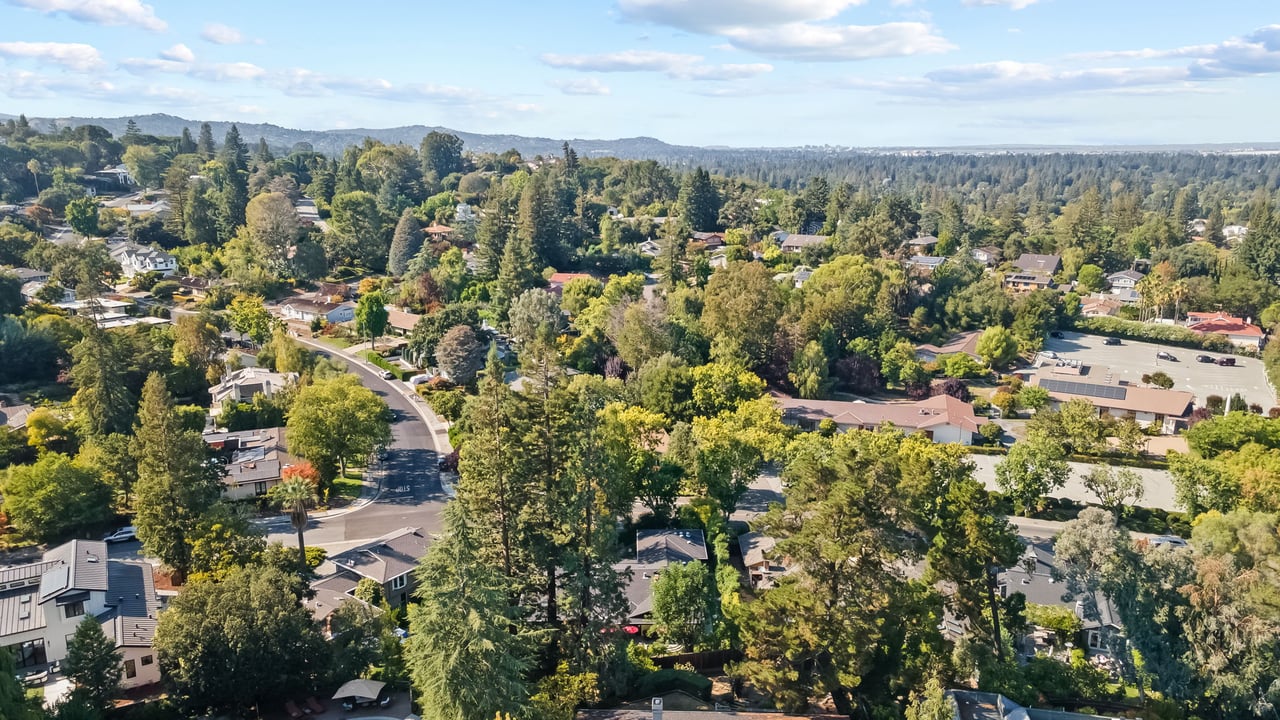
In Menlo Park, days on market tells a more nuanced story than it does in most national housing markets. High price points, sophisticated buyers, and deliberate decision-making all stretch timelines in ways that are normal and often healthy.
This article is not a market alarm. It is a decoder. The goal is to help sellers understand what days on market actually reflects and how to interpret it with clarity rather than anxiety.
What “Days on Market” Actually Measures and What It Doesn’t
Days on market is fundamentally a visibility metric. It tracks how long a home has been publicly listed, not how buyers feel about its value.
DOM does not measure buyer seriousness, financial readiness, or offer quality. A home can attract strong interest early while still accumulating days on market because buyers are reviewing disclosures, coordinating advisors, or timing decisions.
It also helps to separate list date from engagement. A listing may be live, but meaningful buyer activity often ramps up after disclosures are reviewed, private showings occur, and internal discussions begin. DOM captures exposure, not depth of interest.
Why Menlo Park Homes Follow a Different Timeline
Menlo Park real estate timing reflects the nature of its buyer pool.
Buyers here are highly analytical and rarely impulsive. Many are purchasing at the top end of their comfort range and approach decisions methodically. They review inspections carefully, consult advisors, and compare alternatives before moving forward.
Luxury home days on market also tend to be longer because due diligence starts earlier. Buyers often evaluate a home thoroughly before submitting an offer rather than relying on post-contract contingencies. This front-loaded scrutiny naturally extends timelines.
How to Tell Healthy Days on Market From Problematic DOM
Not all days on market are created equal.
Healthy DOM often includes steady private showings, disclosure downloads, thoughtful questions, and quiet follow-up. These signals indicate engagement, even if offers have not yet materialized.
Problematic DOM shows up differently. Reduced showing activity, minimal inquiry, or repeated feedback pointing to the same concern may indicate hesitation.
There are also periods where DOM is neutral. Early exposure without immediate offers is common in Menlo Park and does not automatically work against a listing. Context matters more than the number itself.
How Pricing and Strategy Influence Days on Market More Than Condition
Pricing precision influences days on market more than most sellers expect.
Testing the market with an aspirational price often extends DOM because buyers pause rather than react. They may monitor the listing, waiting for a correction or additional context before engaging.
At the same time, a well-priced home can still take time. Strategic launches, limited open houses, or off-market exposure phases can all contribute to longer DOM without indicating weakness.
Strategy missteps, such as unclear positioning or inconsistent marketing, can artificially extend DOM even when the home itself is strong.
How Sellers Should Interpret Days on Market as Feedback, Not a Verdict
The most productive question is not “Why hasn’t it sold?” but “What is the market telling us so far?”
Experienced agents interpret DOM internally alongside showing patterns, buyer feedback, and disclosure engagement. DOM becomes one data point among many, not a standalone verdict.
There are moments when action is warranted and others when holding steady is the right call. Knowing the difference requires local context and an understanding of how Menlo Park buyers actually move.
For deeper perspective, explore Selling in Menlo Park? 10 Insider Steps to Get Your Home Sold Faster along with How to Price Your Home for Sale in Palo Alto: A Seller’s Guide, which together explain how pricing precision, buyer psychology, and local market conditions shape days on market.
Common Questions About Days on Market in Menlo Park
What is a normal days-on-market range in Menlo Park?
There is no single benchmark. Homes often take longer than national averages due to buyer behavior, price points, and due diligence practices common in the area.
Does longer DOM always mean a home is overpriced?
No. Longer DOM can reflect thoughtful buyer evaluation, strategic exposure, or market conditions rather than pricing alone.
How soon should a seller worry about DOM?
Concern should be based on engagement trends, not just time. A lack of activity or consistent negative feedback matters more than the number of days itself.
In Menlo Park, days on market is a signal, not a sentence. Sellers who understand how to read it accurately are far better positioned to respond strategically, protect value, and make confident decisions throughout the listing process. Every seller's situation is different. I've helped local homeowners navigate a variety of selling situations, and my Client Success Stories offer a look at some of those experiences.