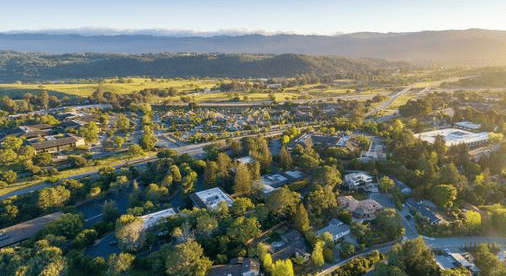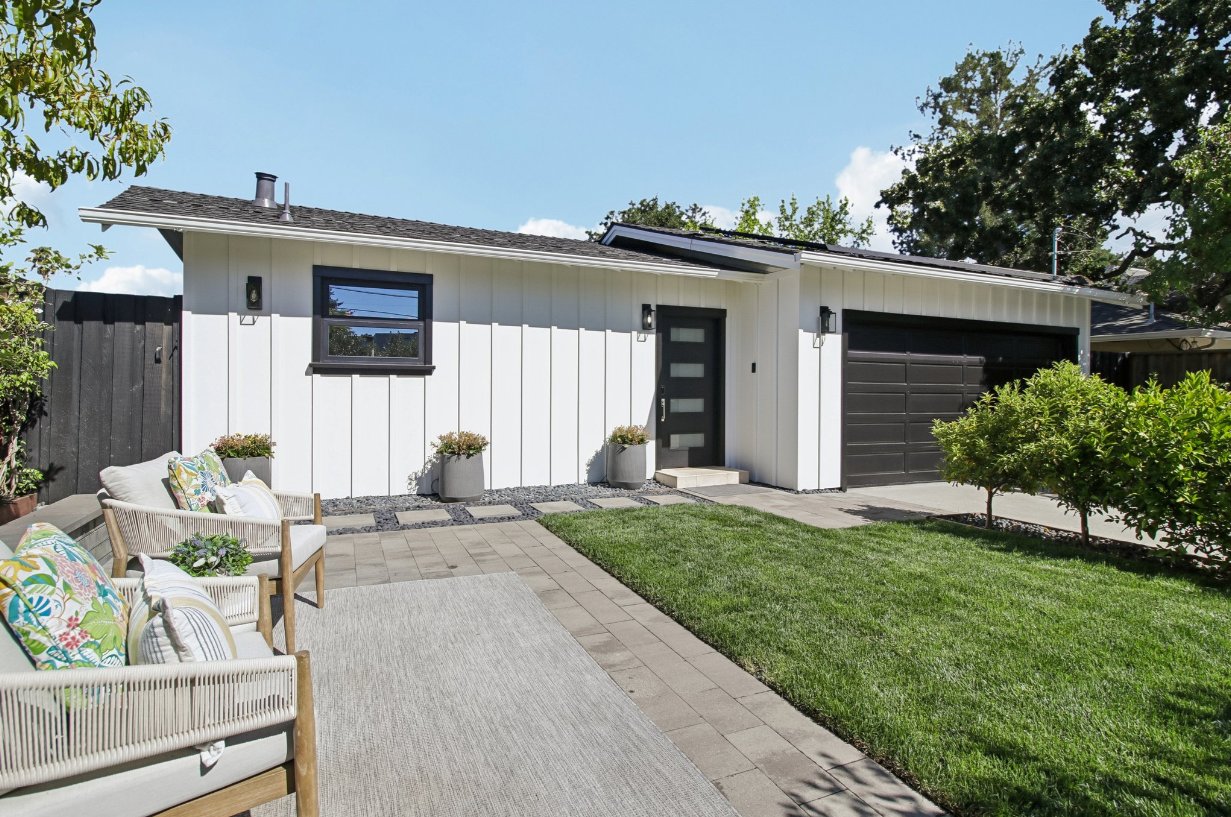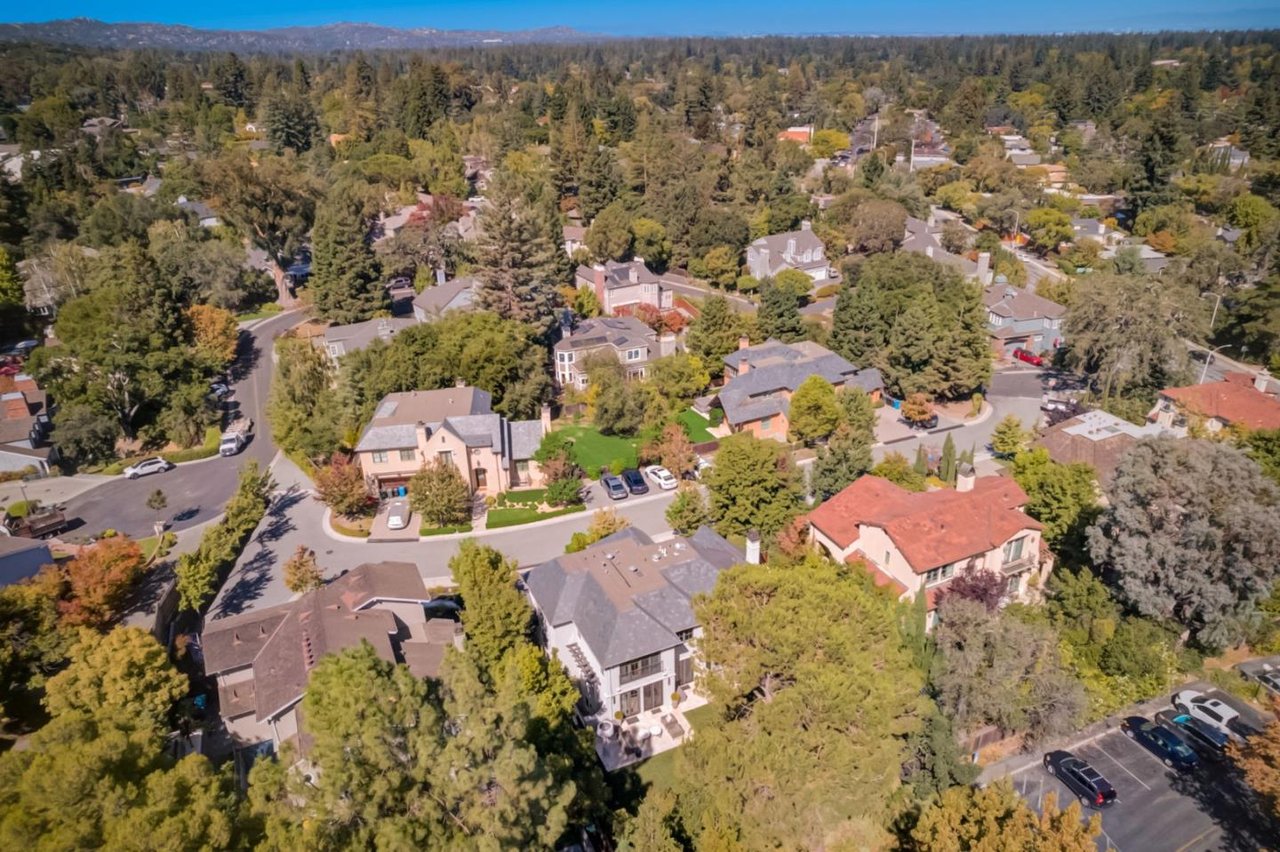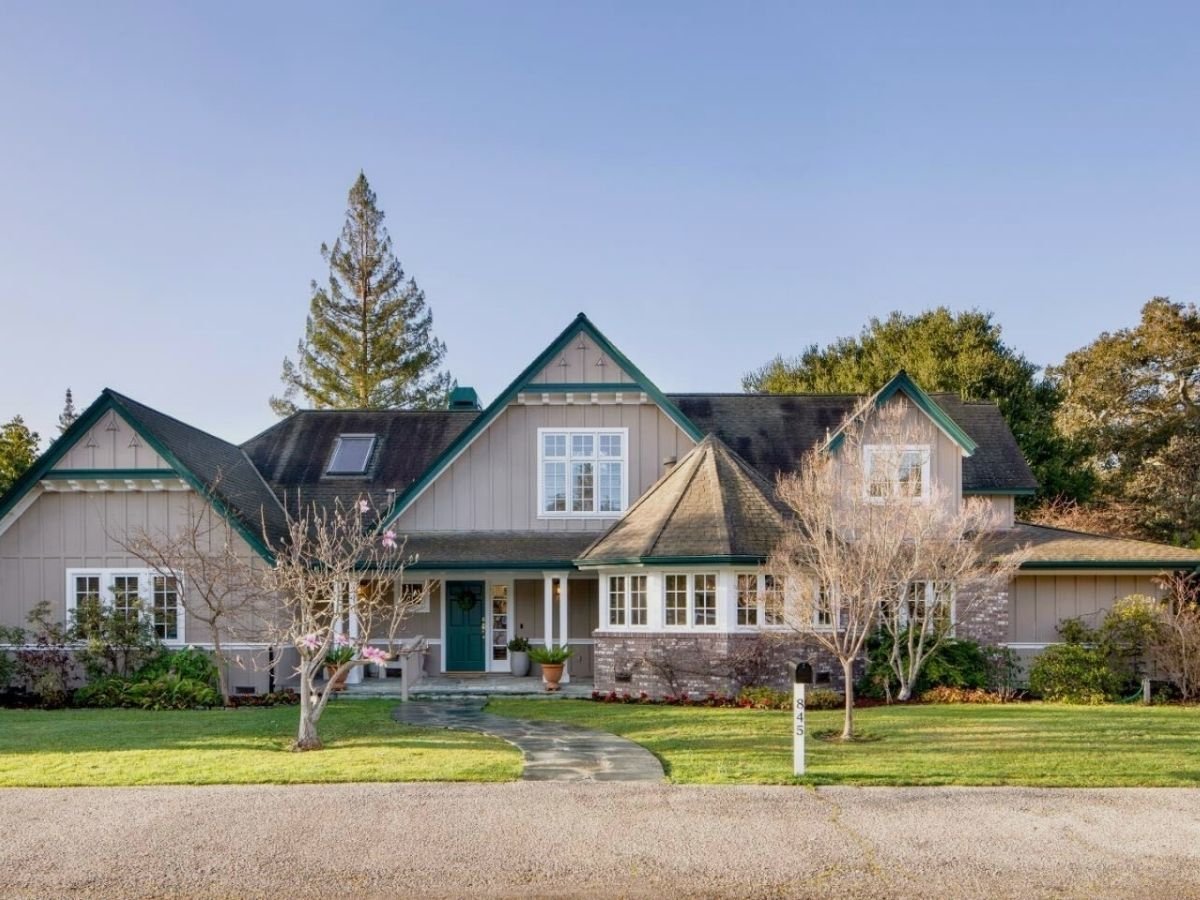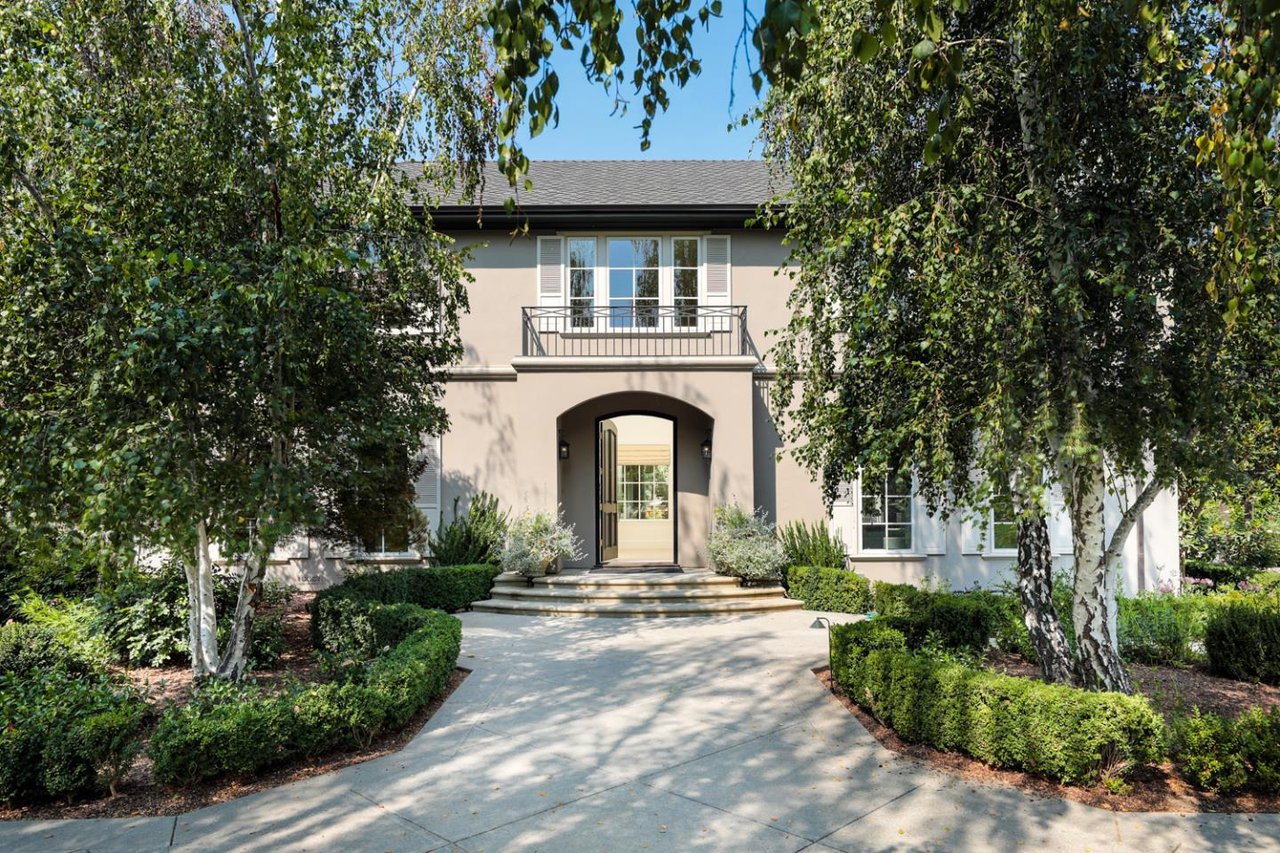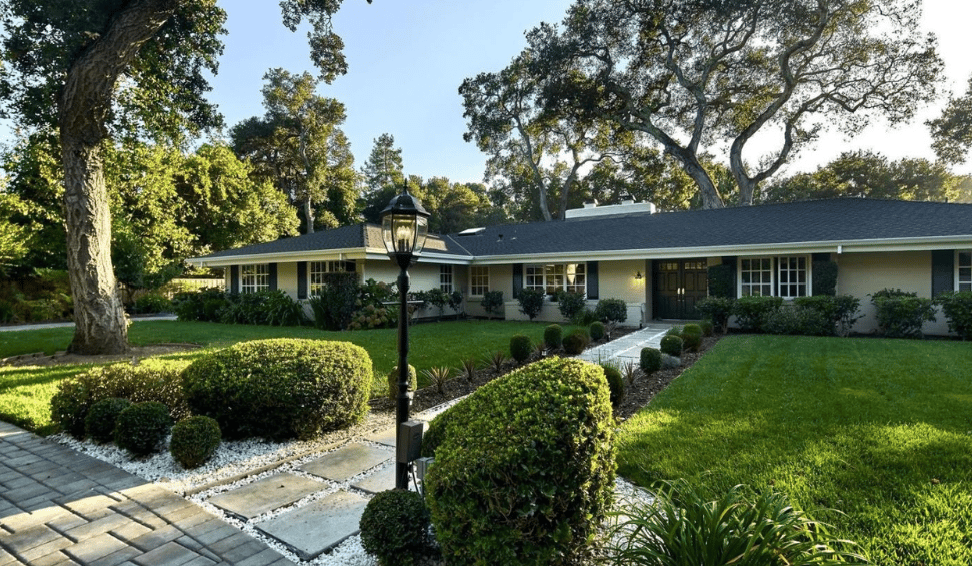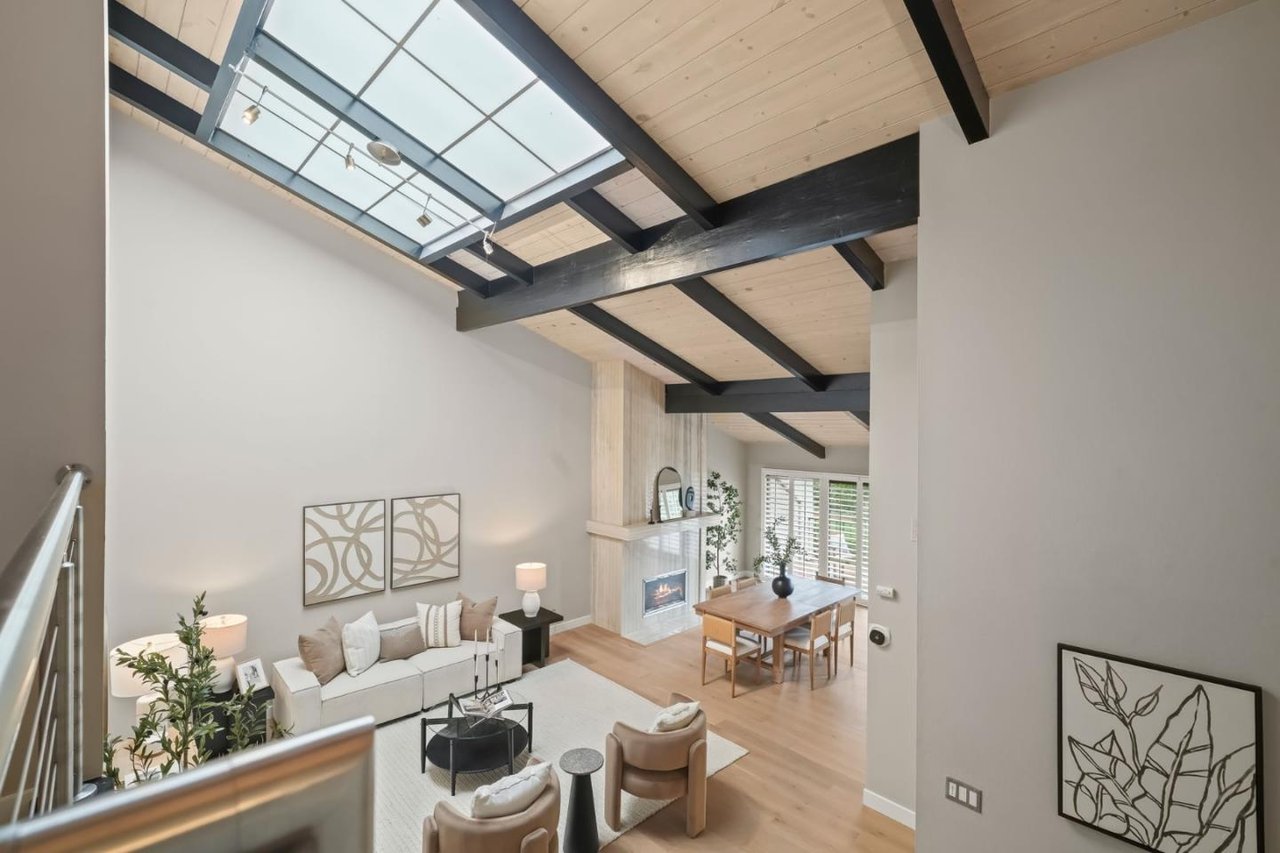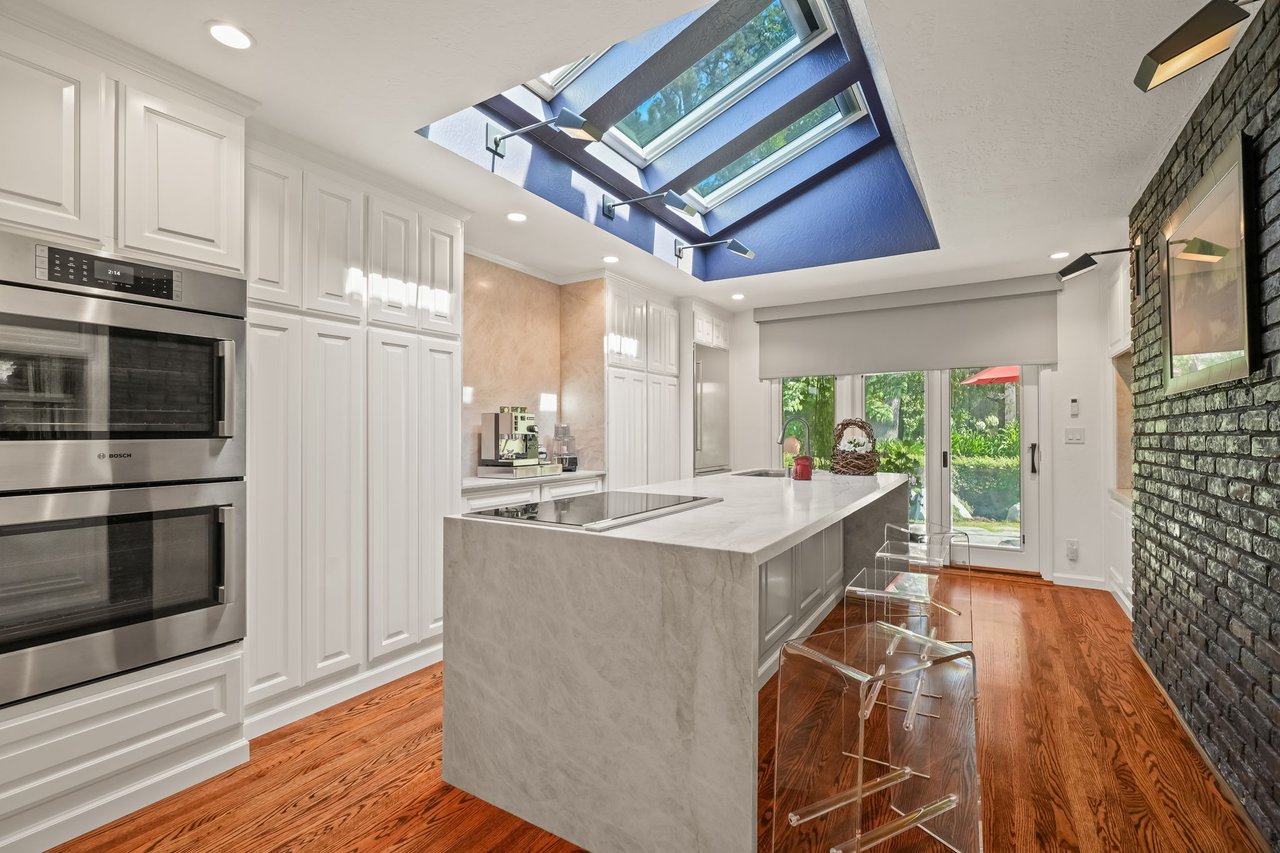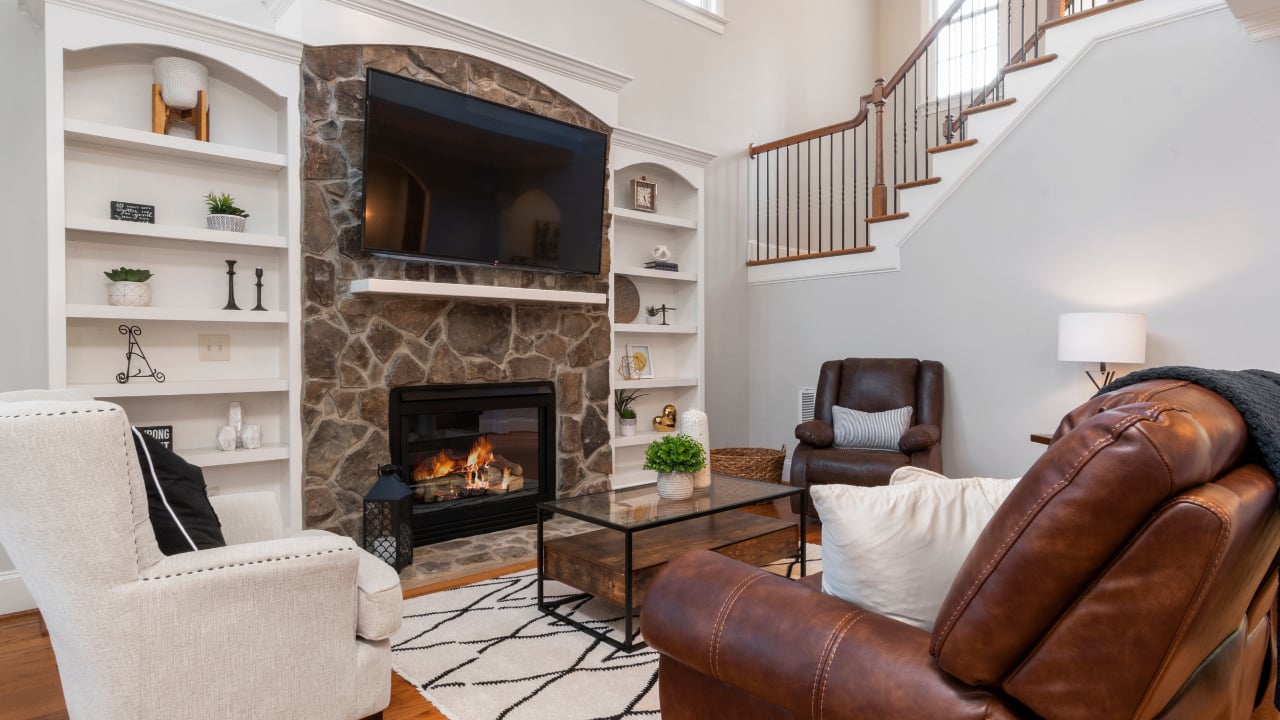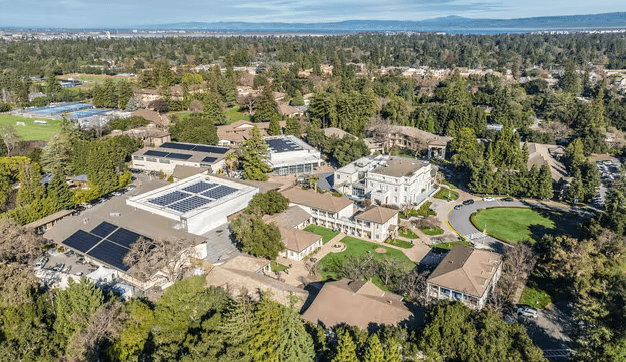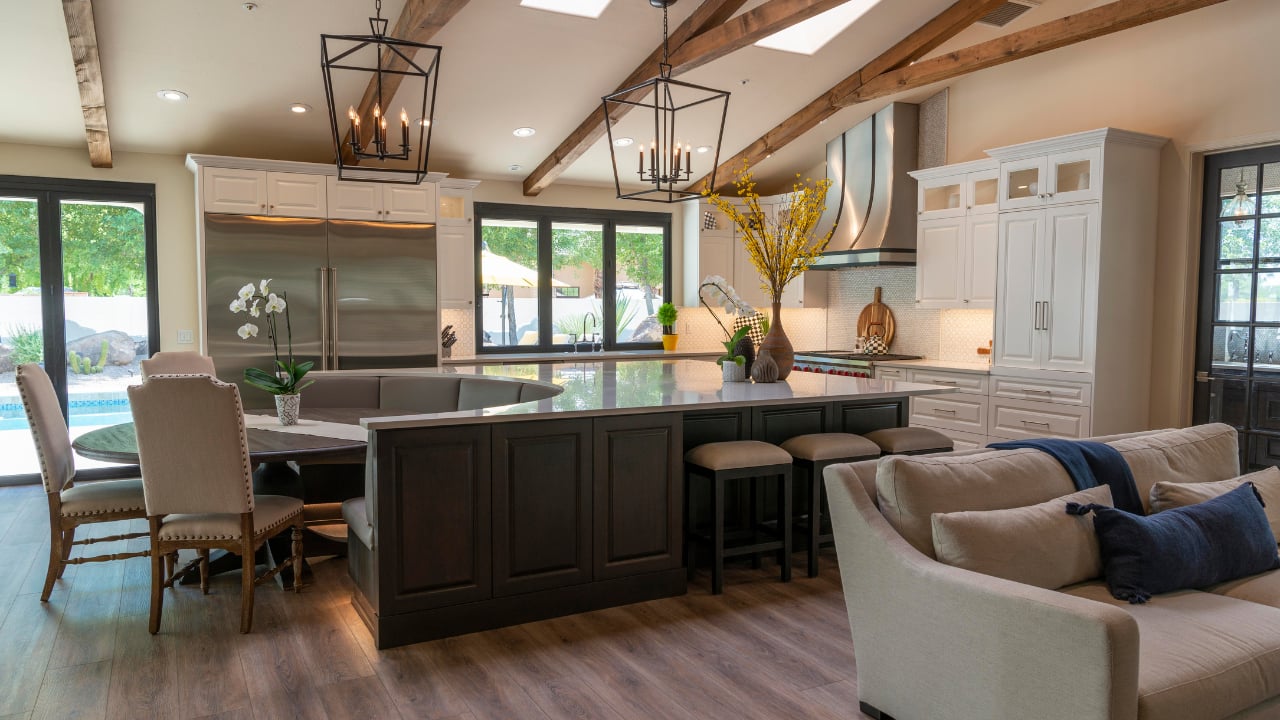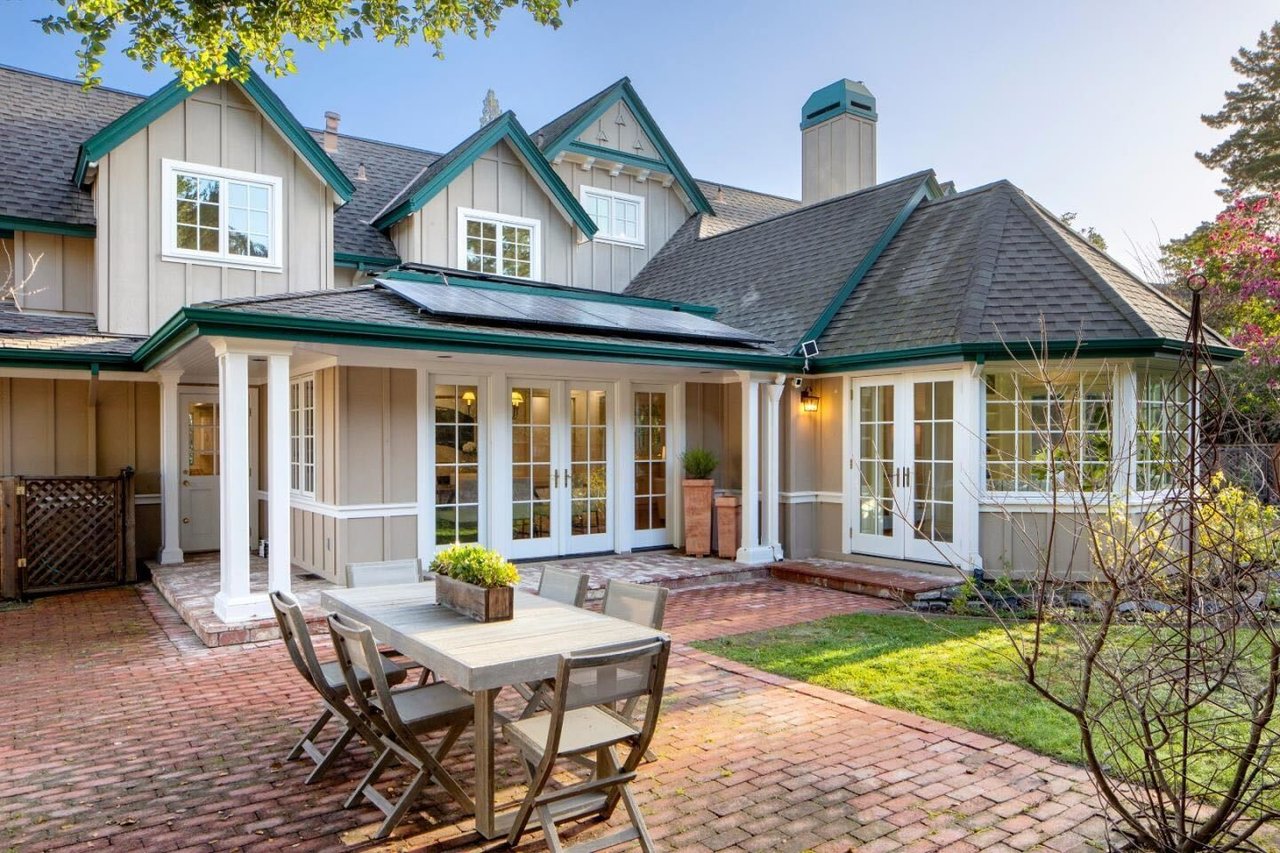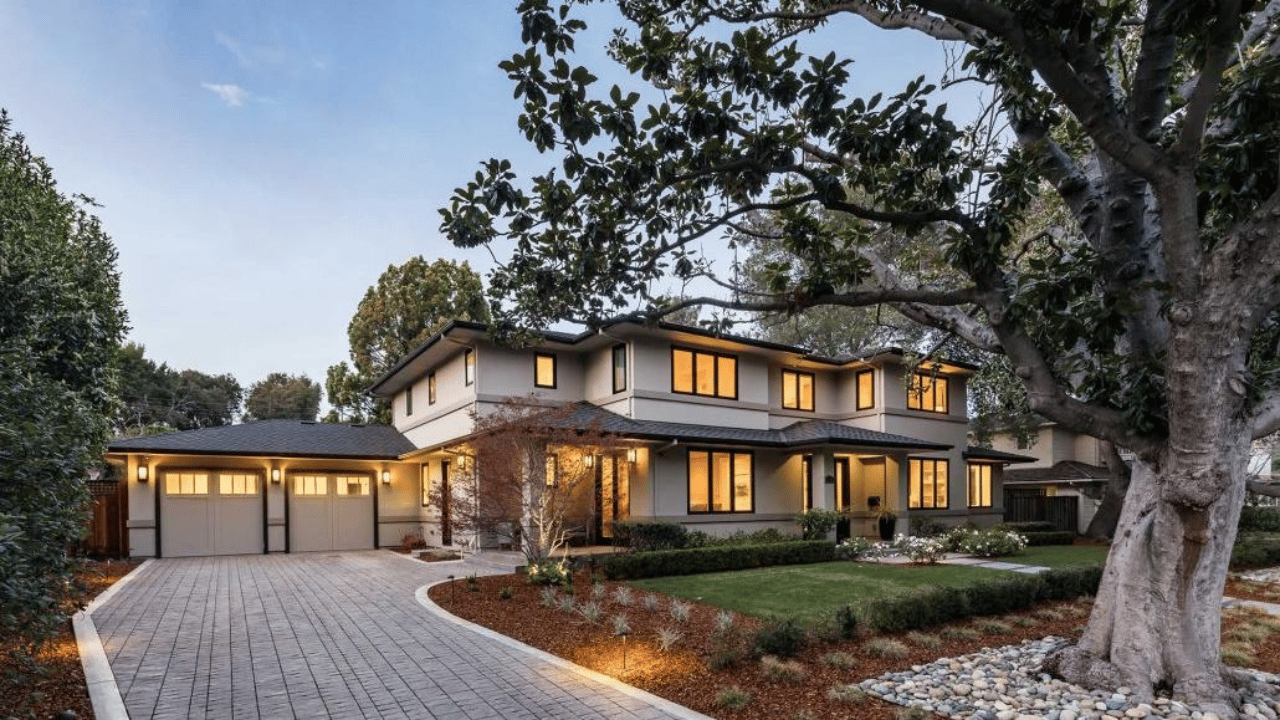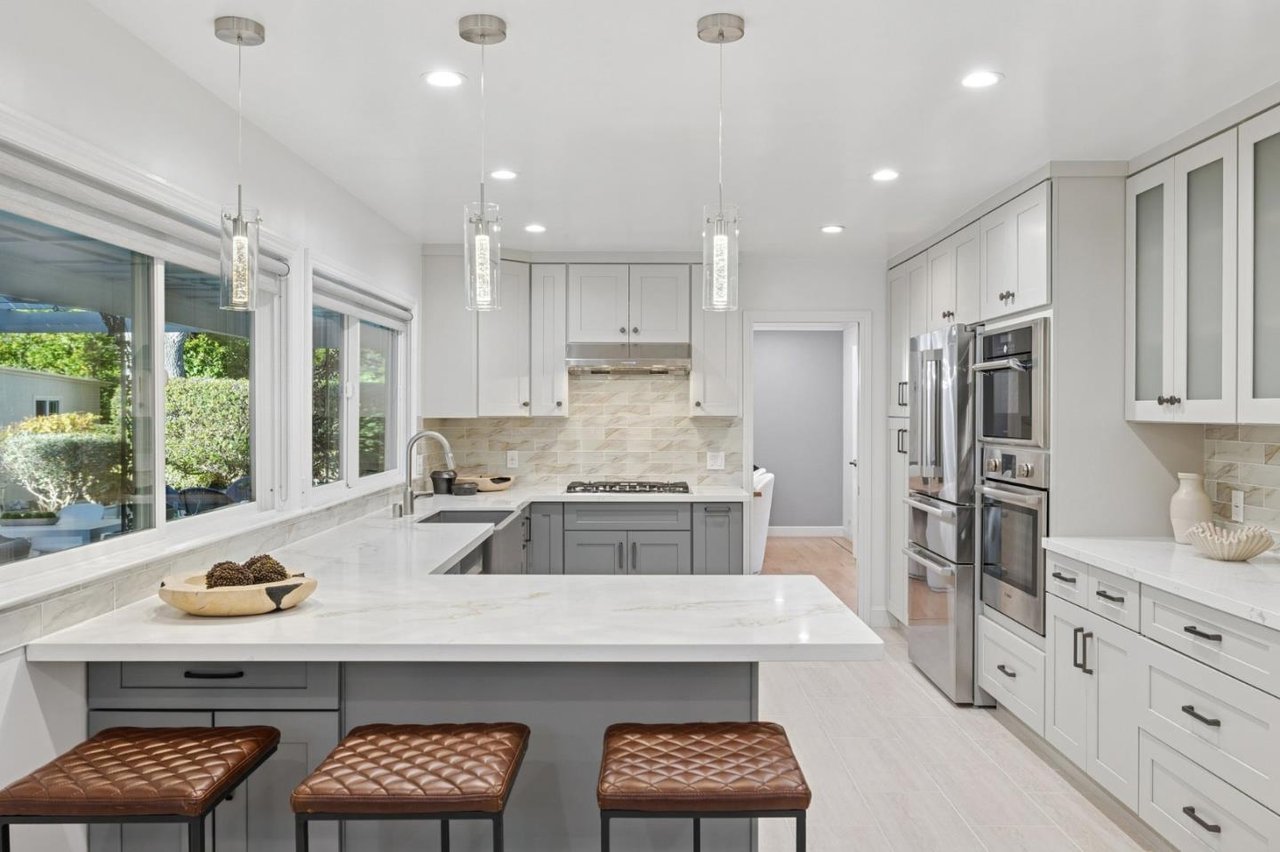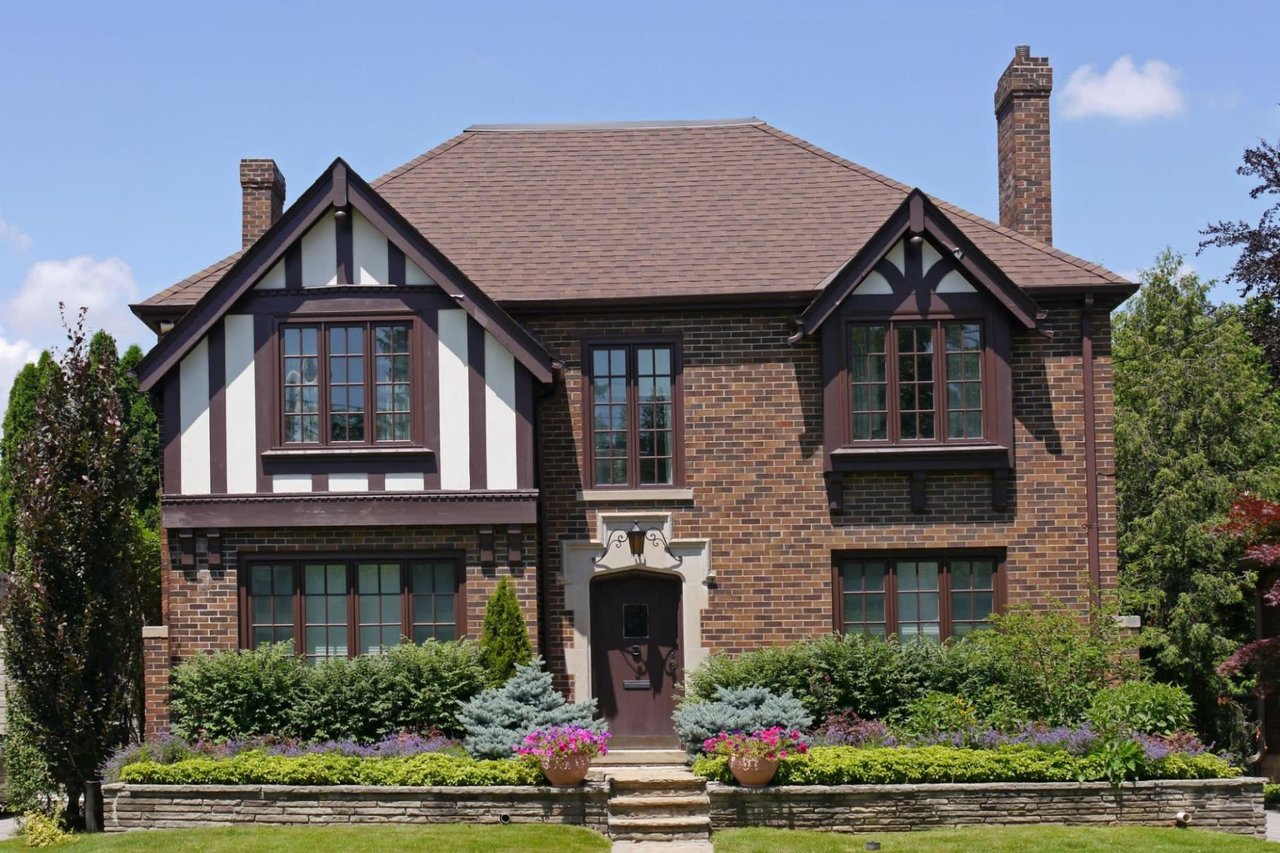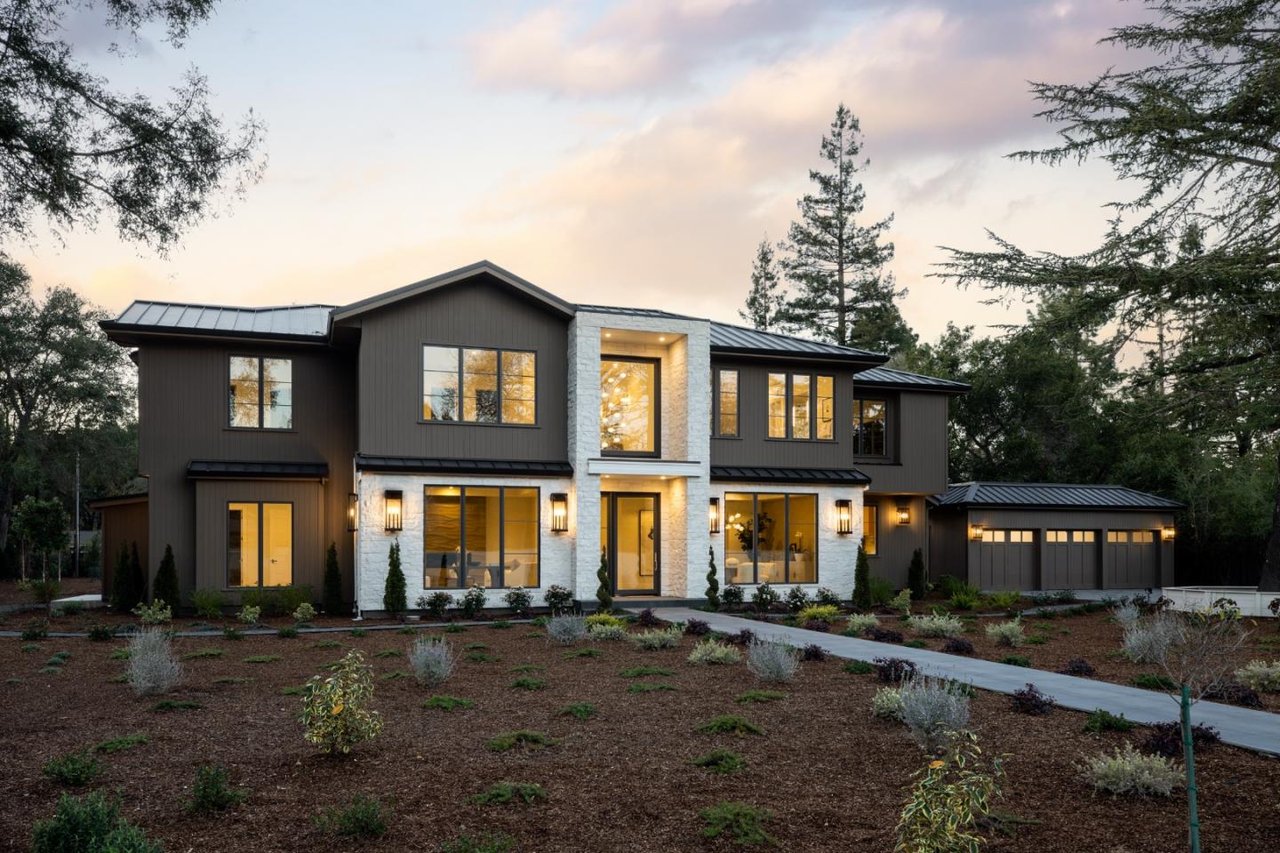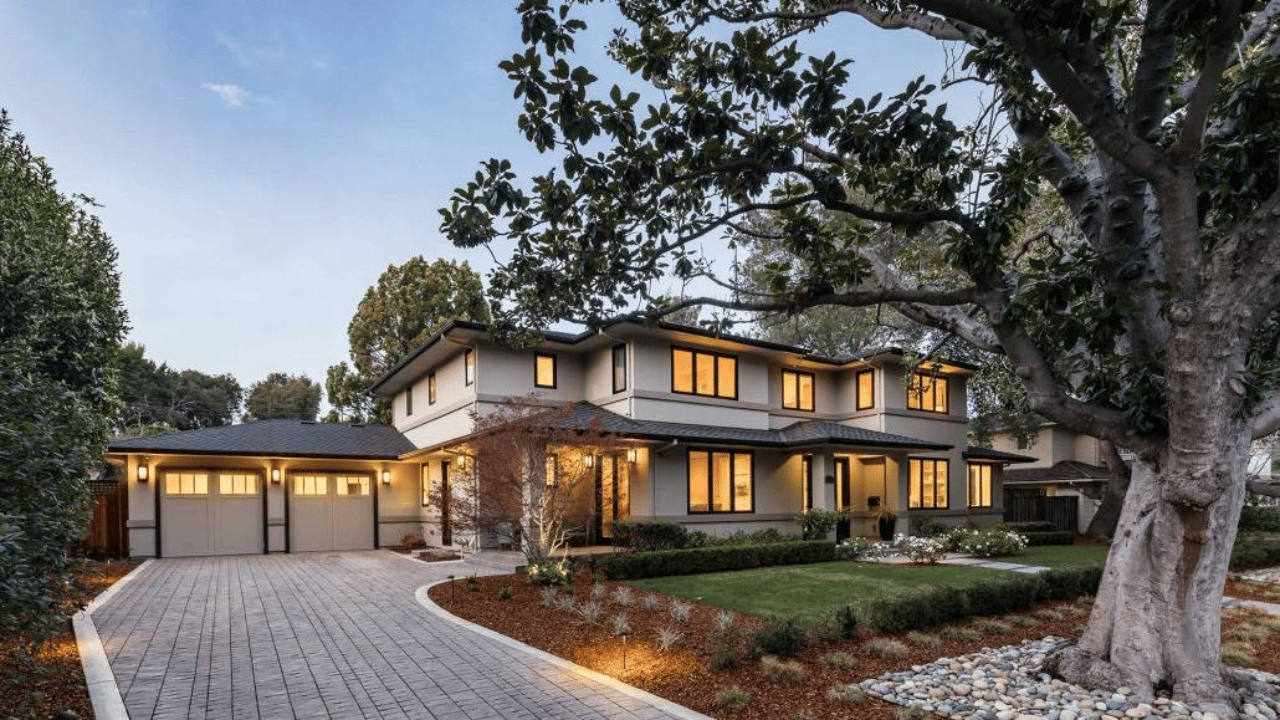
For many ultra-high-net-worth families, real estate is not simply a place to live. It is a core component of long-term wealth strategy. In Atherton, this mindset is especially pronounced.
Atherton offers a useful case study in how luxury real estate intersects with preservation, planning, and legacy. Ownership decisions here are often made with decades in mind, balancing lifestyle priorities with financial and generational considerations.
Why Atherton Luxury Real Estate Is Often Held Long-Term
Atherton luxury real estate is rarely viewed as a short-term investment.
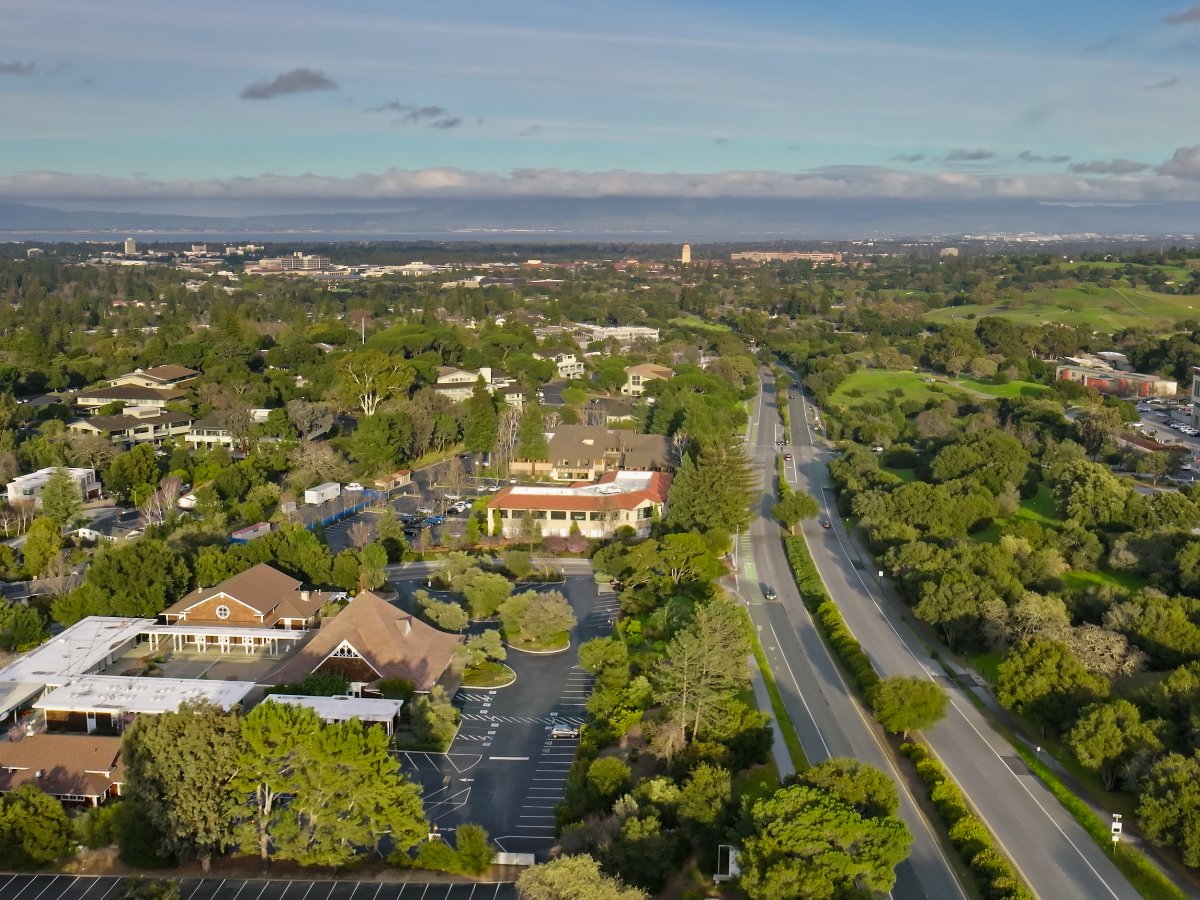
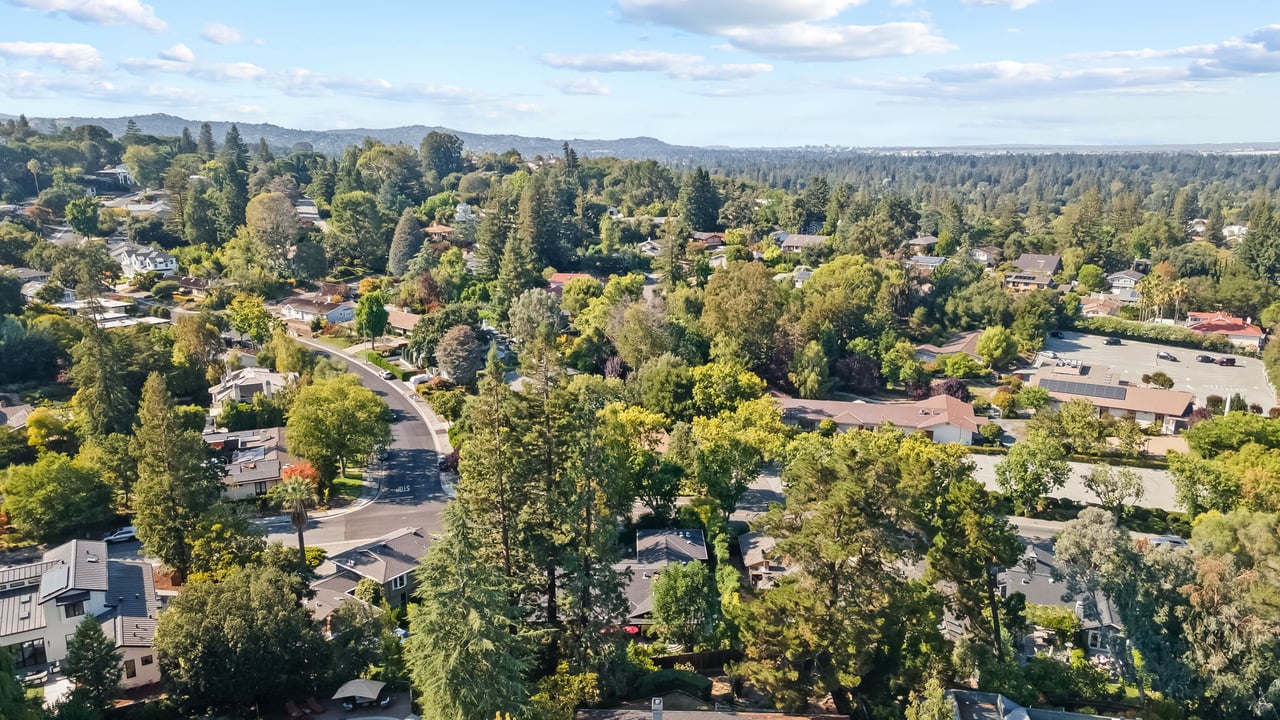
Scarcity plays a central role. Limited inventory, large lot requirements, and strict zoning make Atherton properties difficult to replace once sold. This naturally encourages long-term ownership.
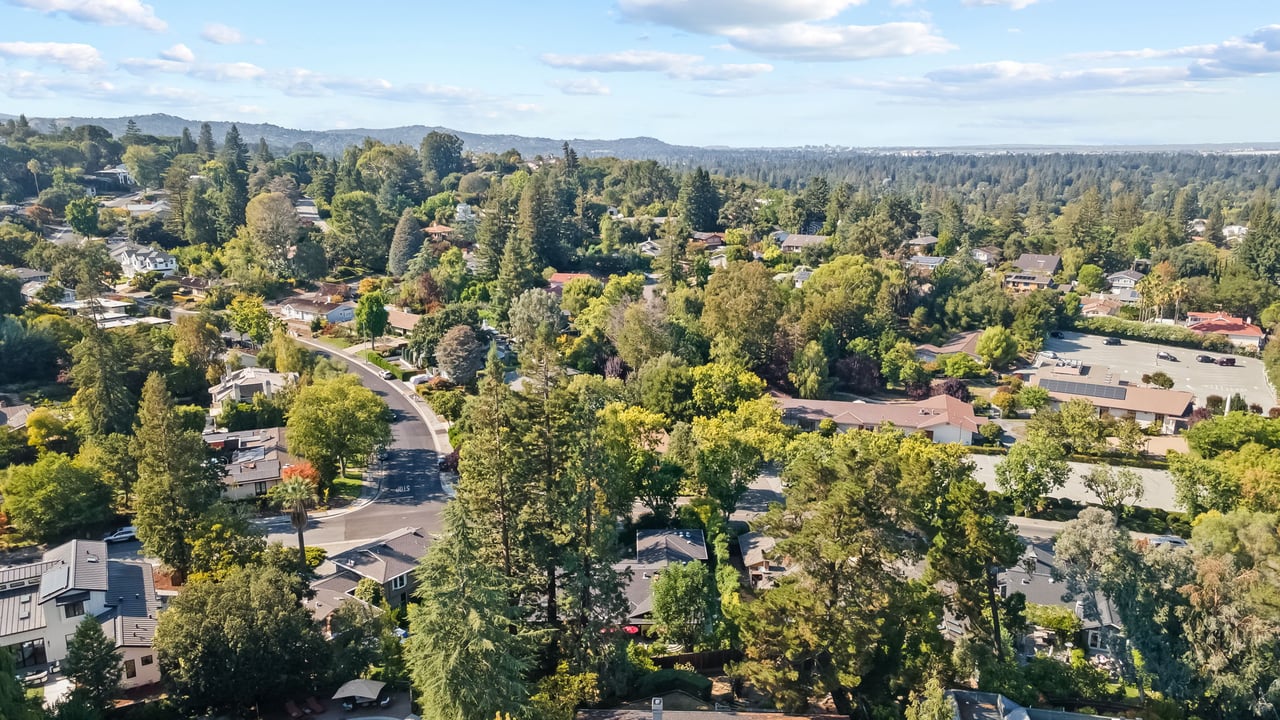
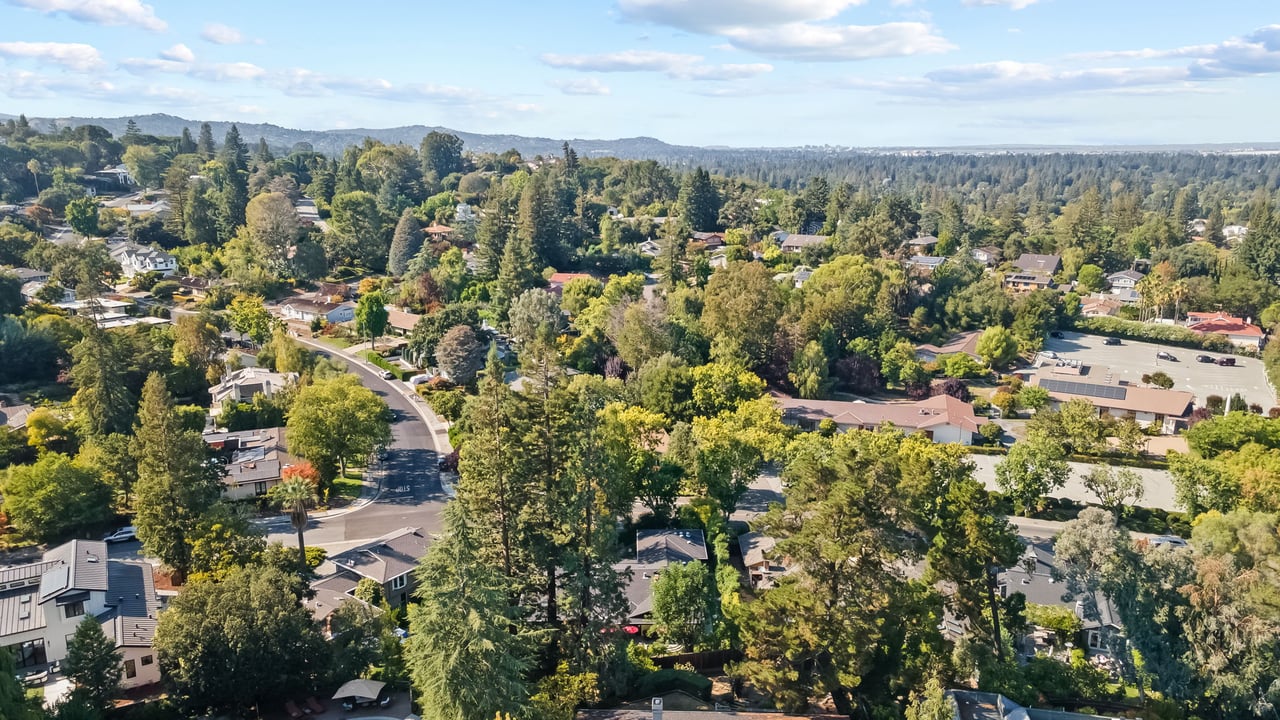
Privacy is another factor. Buyers are drawn to Atherton for its low density, discretion, and separation from commercial activity. These qualities tend to grow more valuable over time, reinforcing the incentive to hold.
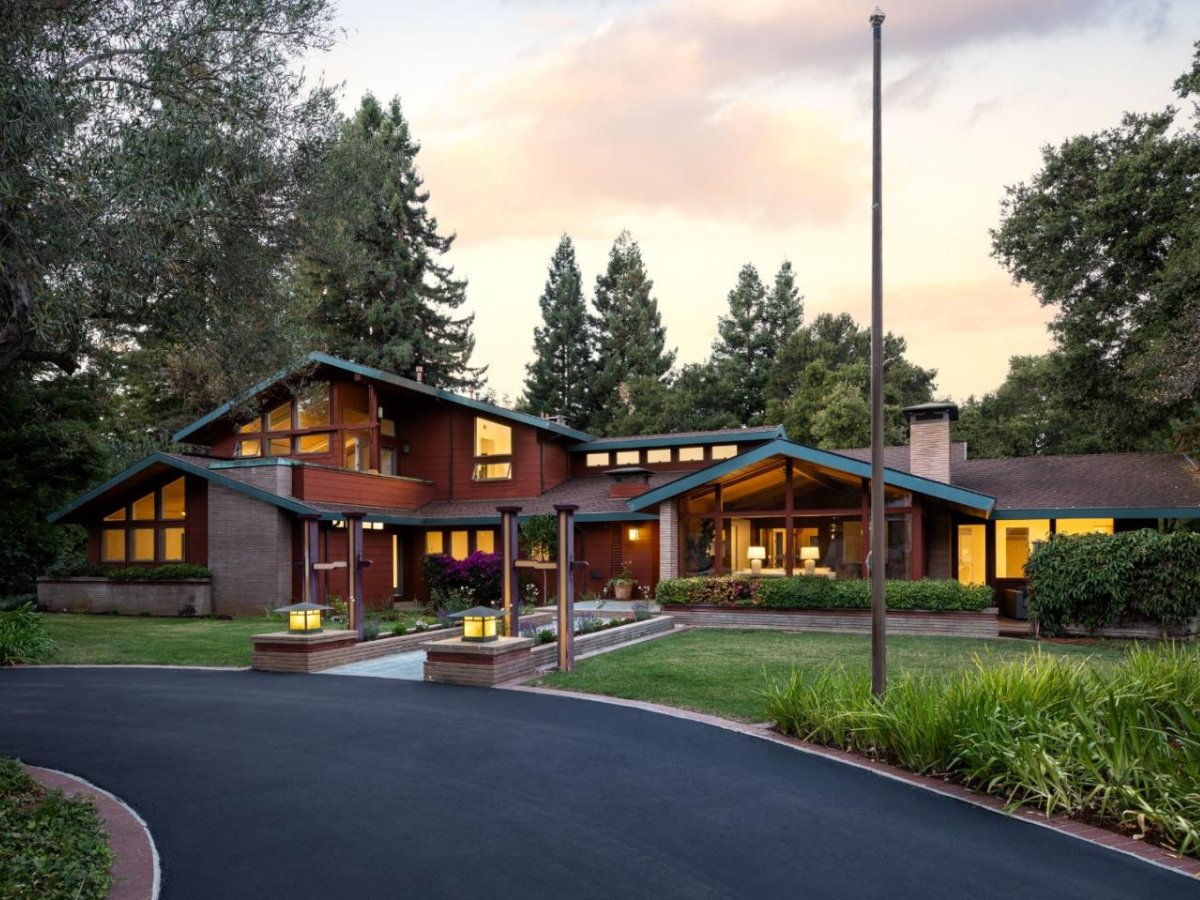
Generational planning also shapes behavior. Many families view Atherton property as a legacy asset, intended to be enjoyed across generations rather than cycled in and out of the market.
How Taxes, Proposition 19, and Cost Basis Shape Atherton Decisions
Tax considerations often influence whether and when owners choose to sell.
At a high level, property tax reassessment, capital gains exposure, and cost basis all factor into decision-making. Changes introduced under California’s Proposition 19 have made timing and structure even more important for long-term owners and heirs.
While the rules can be complex, the takeaway is simple. Real estate decisions in Atherton are rarely made in isolation. They are evaluated alongside broader tax and estate strategies, often with input from advisors.
How Atherton Real Estate Fits Into Long-Term Wealth Planning
For many families, Atherton real estate serves as a stabilizing asset within a diversified portfolio.
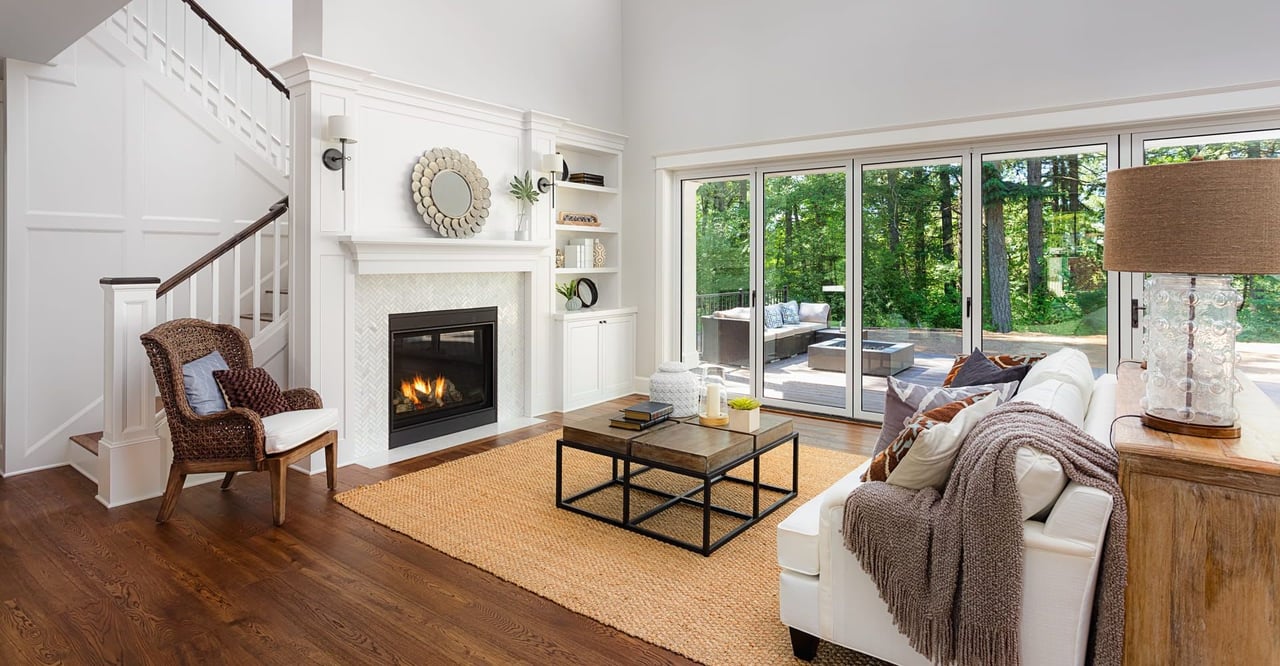
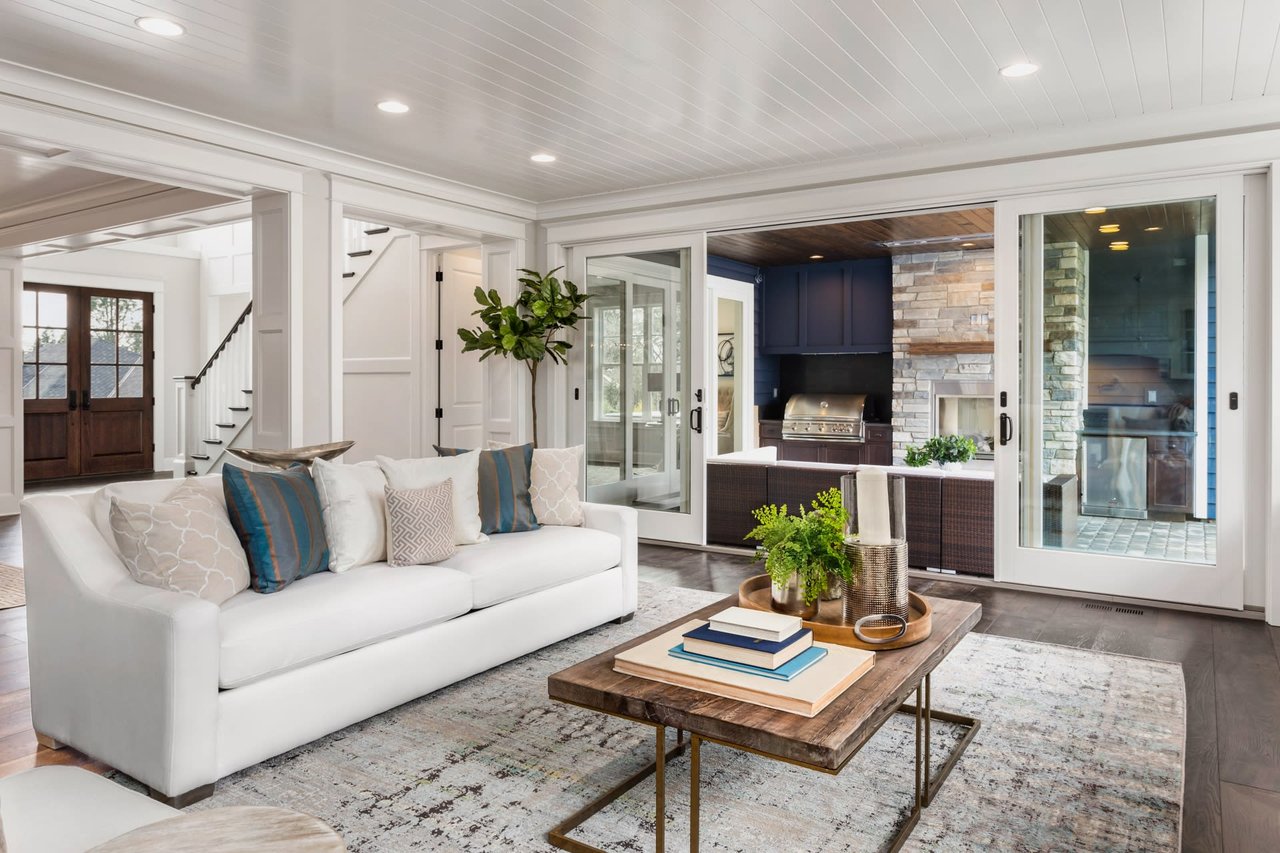
Unlike market-based investments, real estate offers tangible use alongside financial value. It provides lifestyle utility while also acting as a hedge against volatility in other asset classes.
Alignment matters. Families often assess whether a property continues to serve both lifestyle needs and financial goals. When those remain aligned, holding makes sense. When they diverge, reevaluation begins.
When Atherton Property Owners Choose to Sell and Why
Even with long-term orientation, there are moments when selling becomes the strategic choice.
Life transitions are common triggers. Changes in family structure, health, or residency needs can shift priorities.
Portfolio rebalancing can also drive decisions. As wealth grows or evolves, owners may adjust real estate exposure to maintain balance across asset classes.
Estate planning needs are another factor. Some sales are driven by a desire to simplify holdings, provide liquidity, or proactively plan for generational transfer rather than leaving decisions unresolved.
For deeper context, see Proposition 19 and Retirement in Silicon Valley: What You Need to Know and How Menlo Park Investors Use 1031 Exchanges to Build Long-Term Wealth, which explore how tax policy and exchange strategies intersect with long-term real estate planning.
Common Questions About Wealth Preservation and Atherton Real Estate
Why do wealthy families hold Atherton property long-term?
Because Atherton luxury real estate combines scarcity, privacy, lifestyle value, and long-term financial stability in a way few markets can replicate.
How does real estate fit into estate planning?
Real estate often plays a central role by providing a tangible legacy asset, potential tax advantages, and flexibility when coordinated with broader estate strategies.
Is Atherton real estate a good long-term store of value?
Historically, Atherton has demonstrated strong long-term value retention due to limited supply, consistent demand, and its unique positioning within Silicon Valley.
In Atherton, real estate decisions are rarely transactional. They are strategic, intentional, and deeply tied to wealth preservation goals. For families and advisors evaluating next steps, understanding this broader context helps ensure decisions support both present needs and long-term legacy.