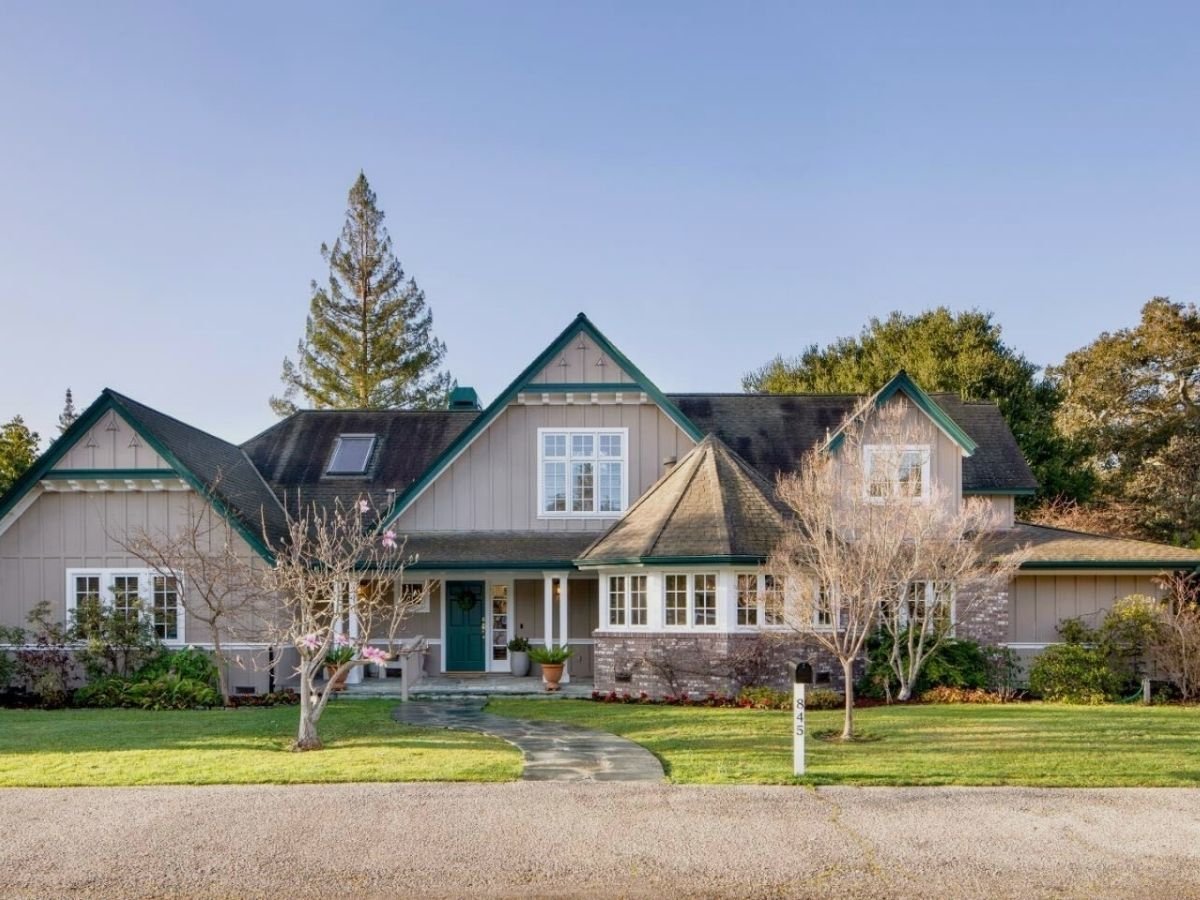
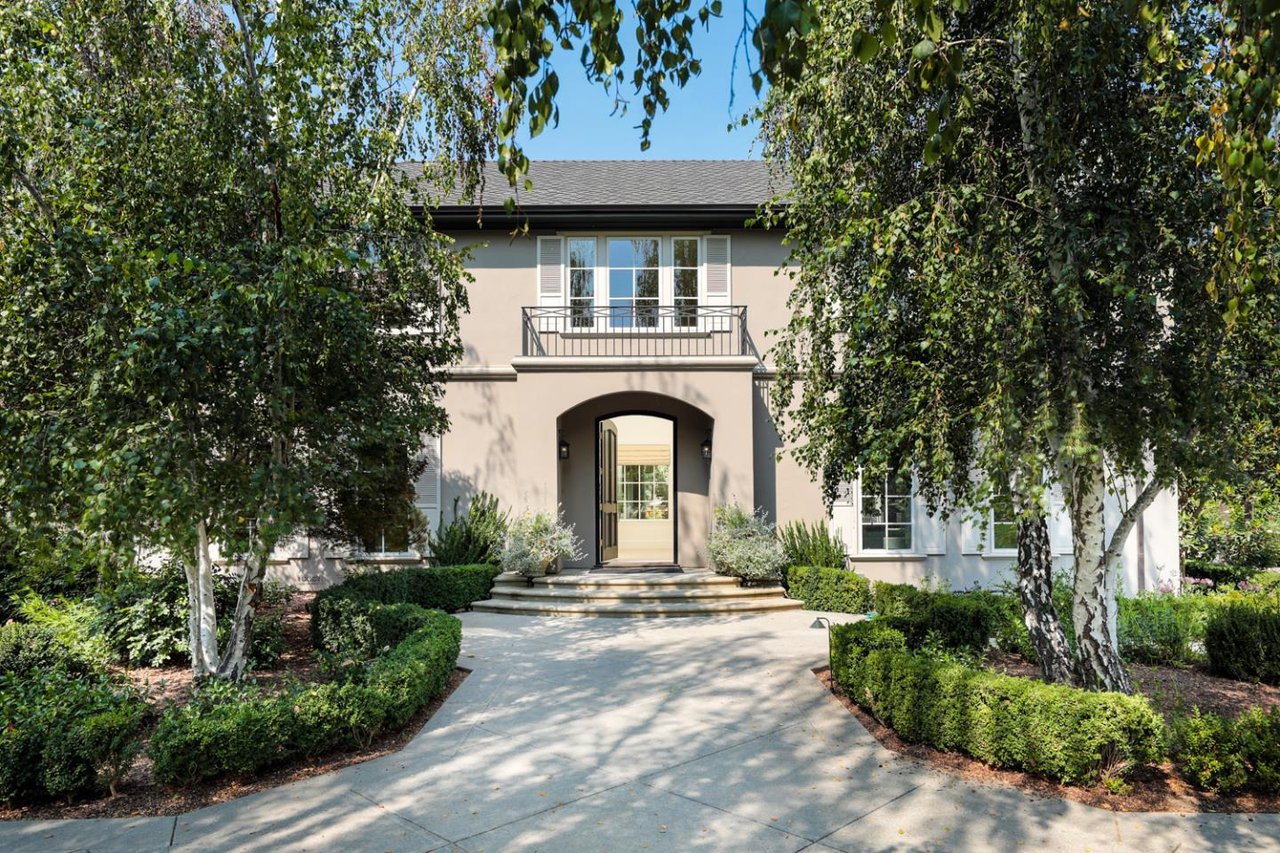
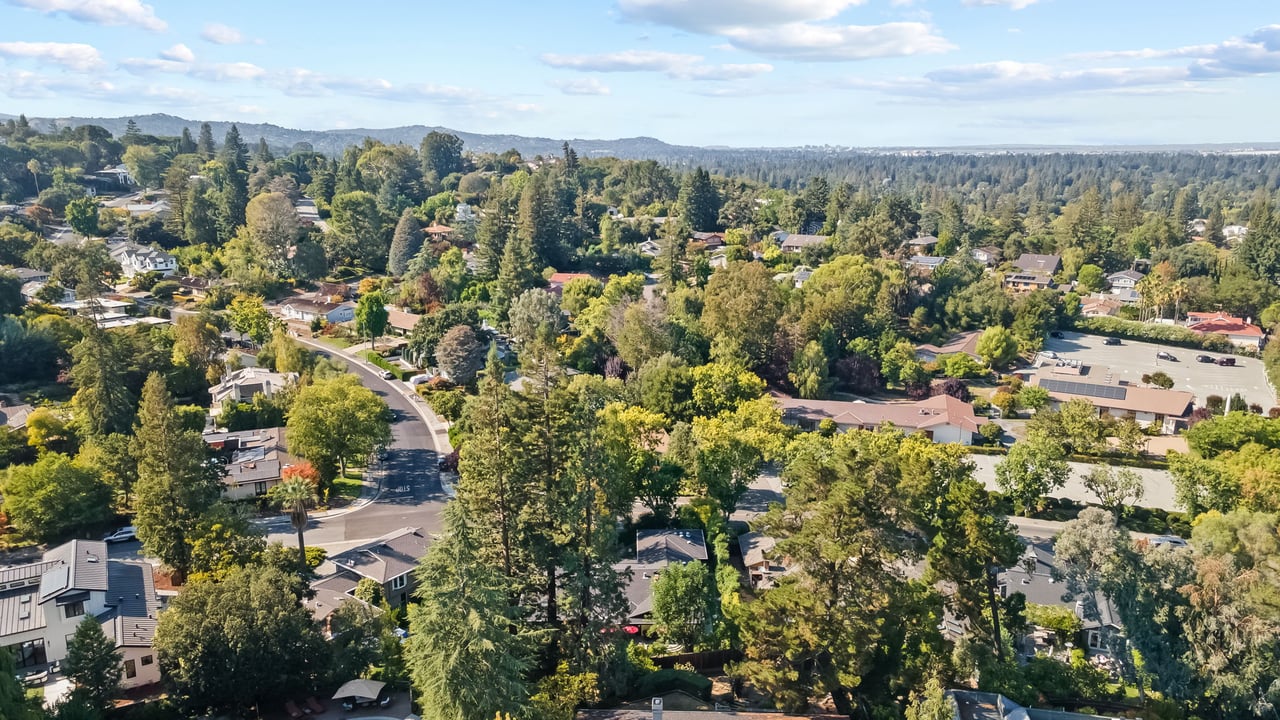
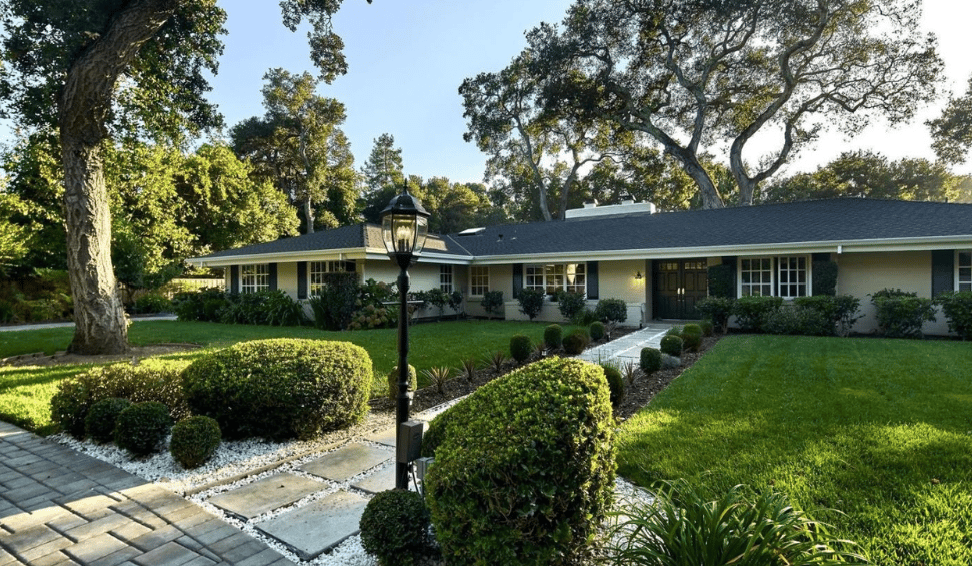
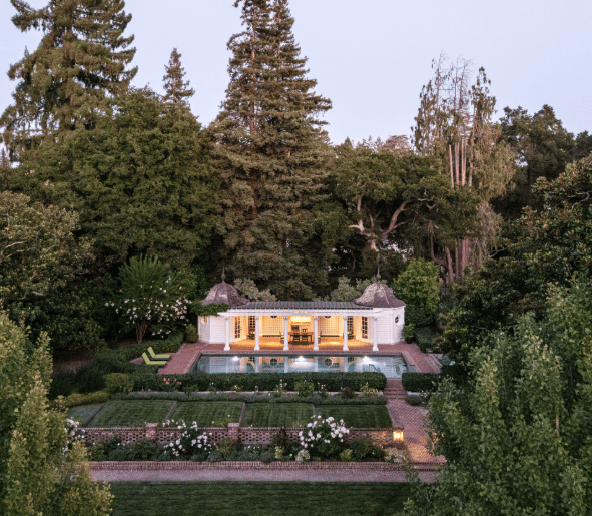
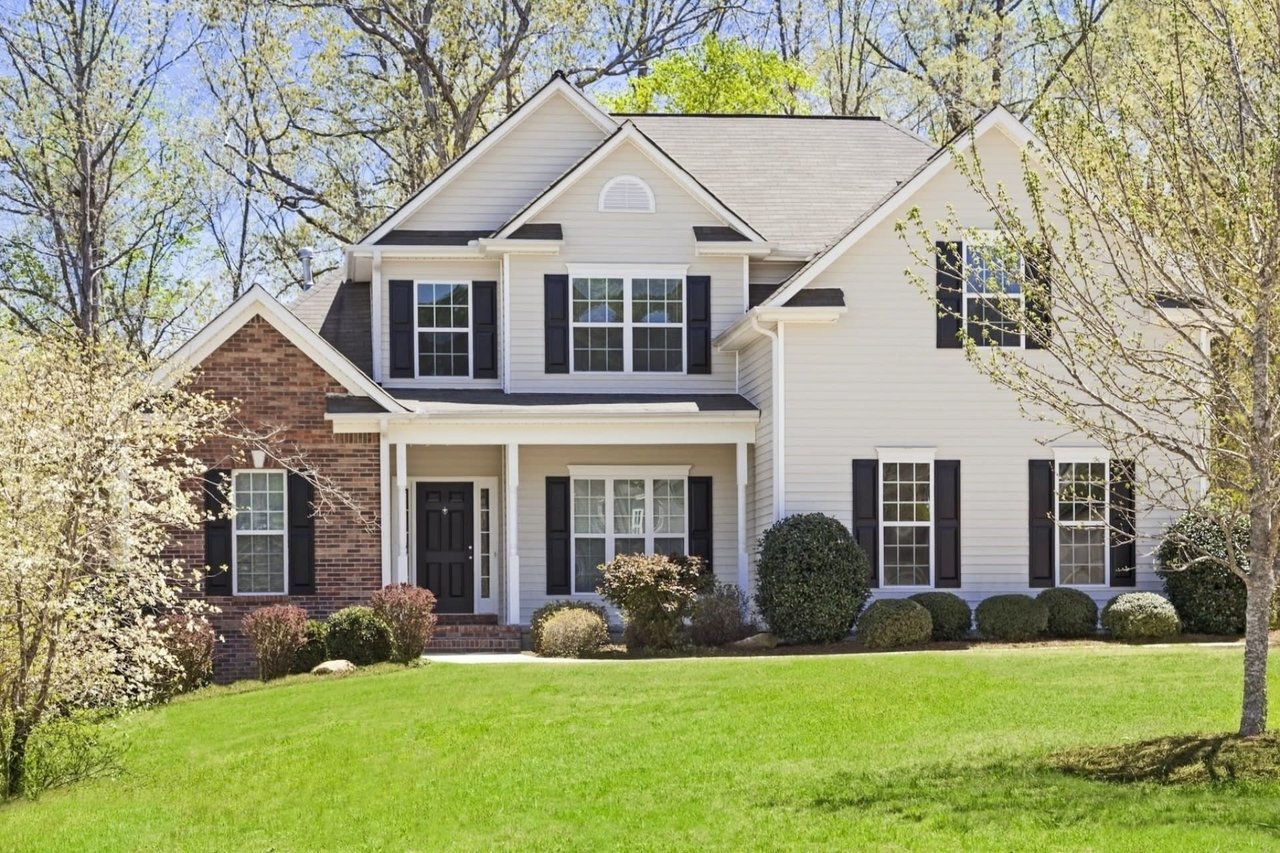
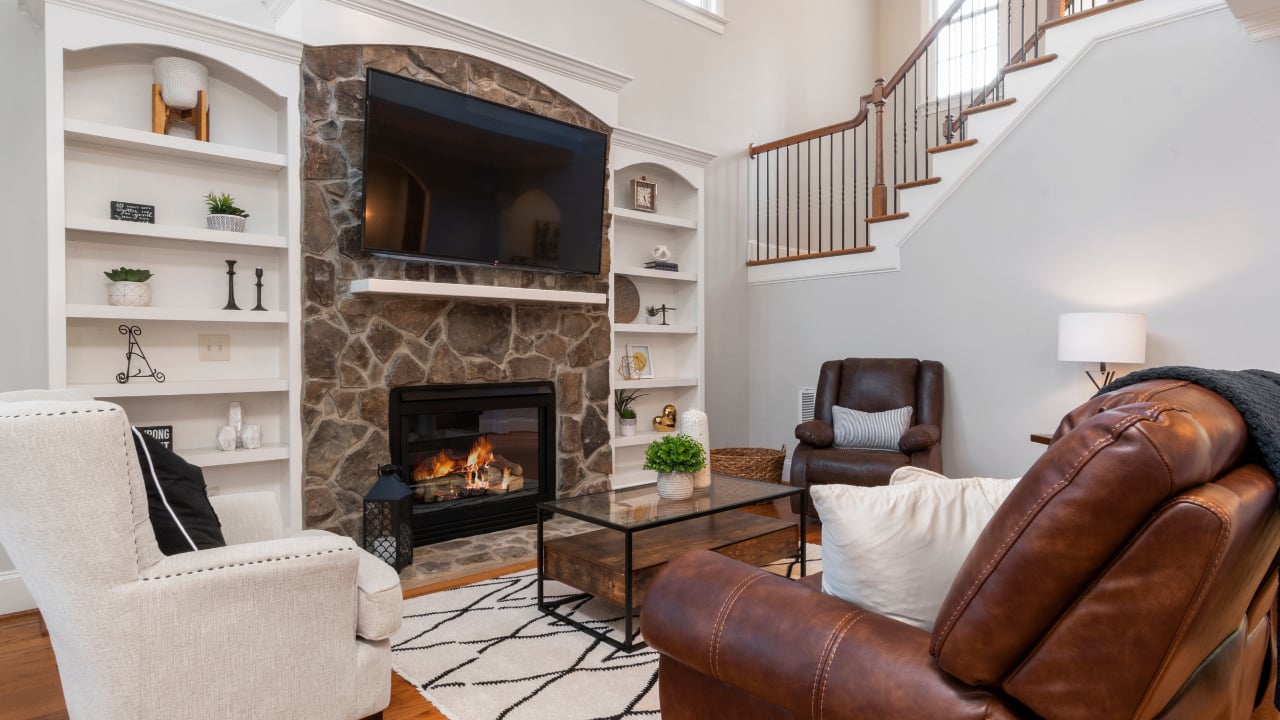
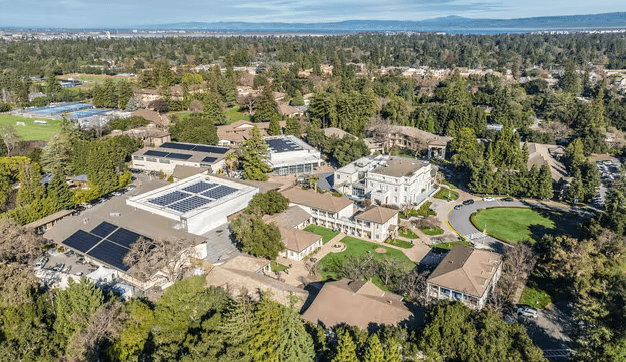
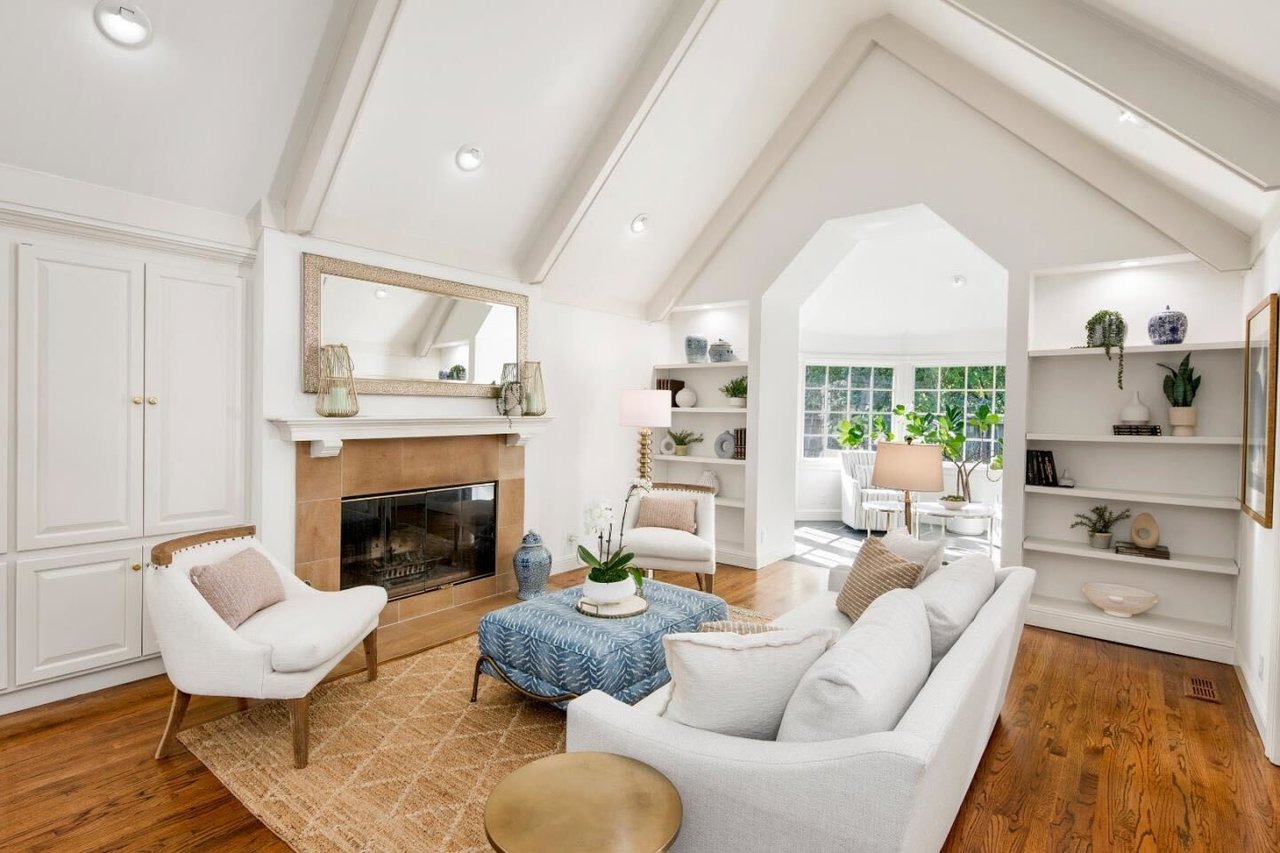
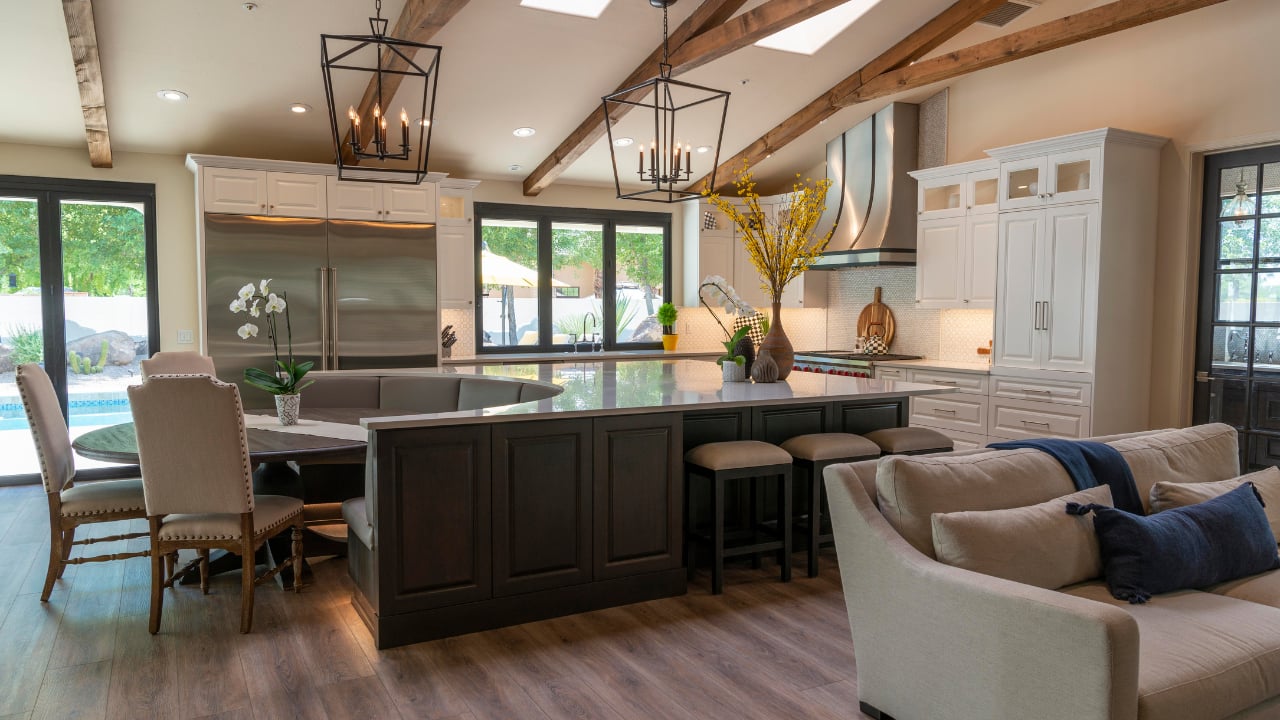
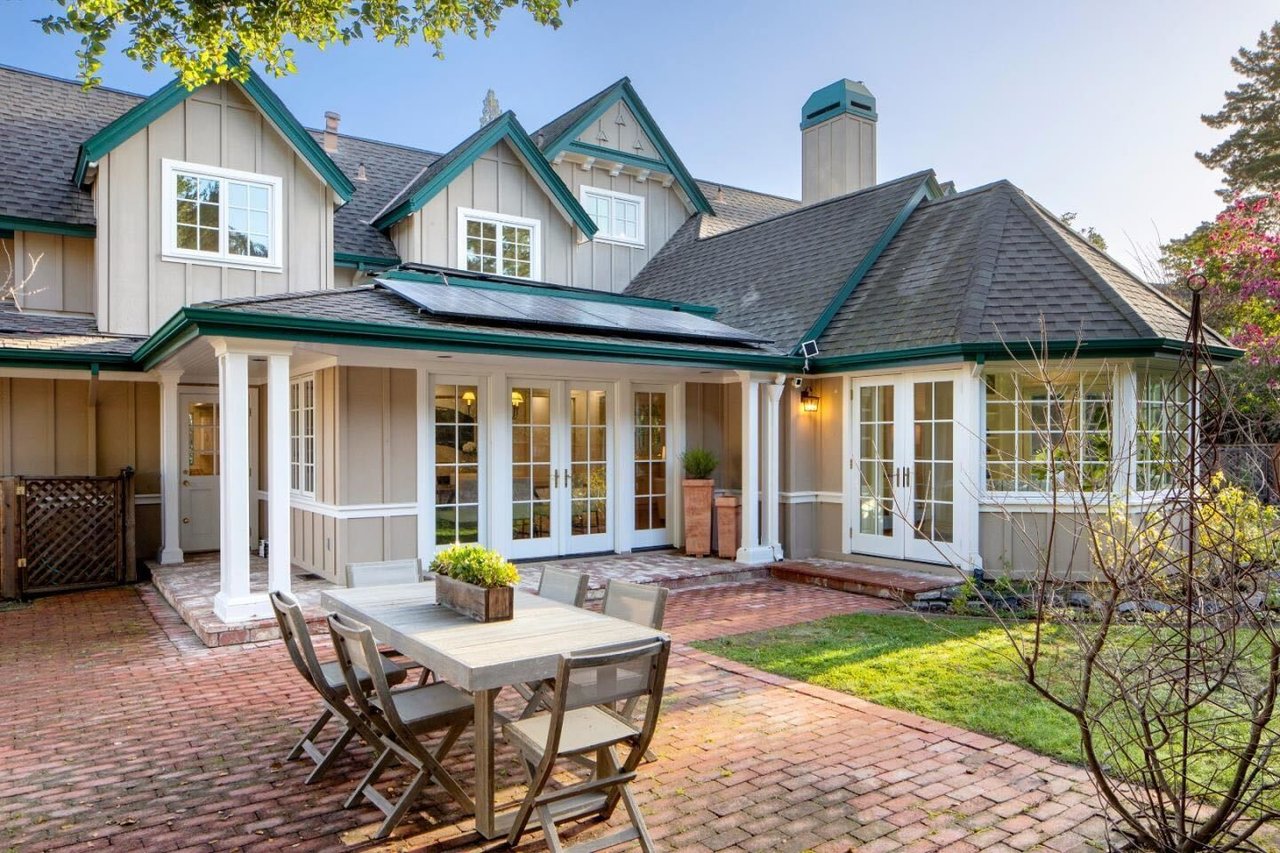
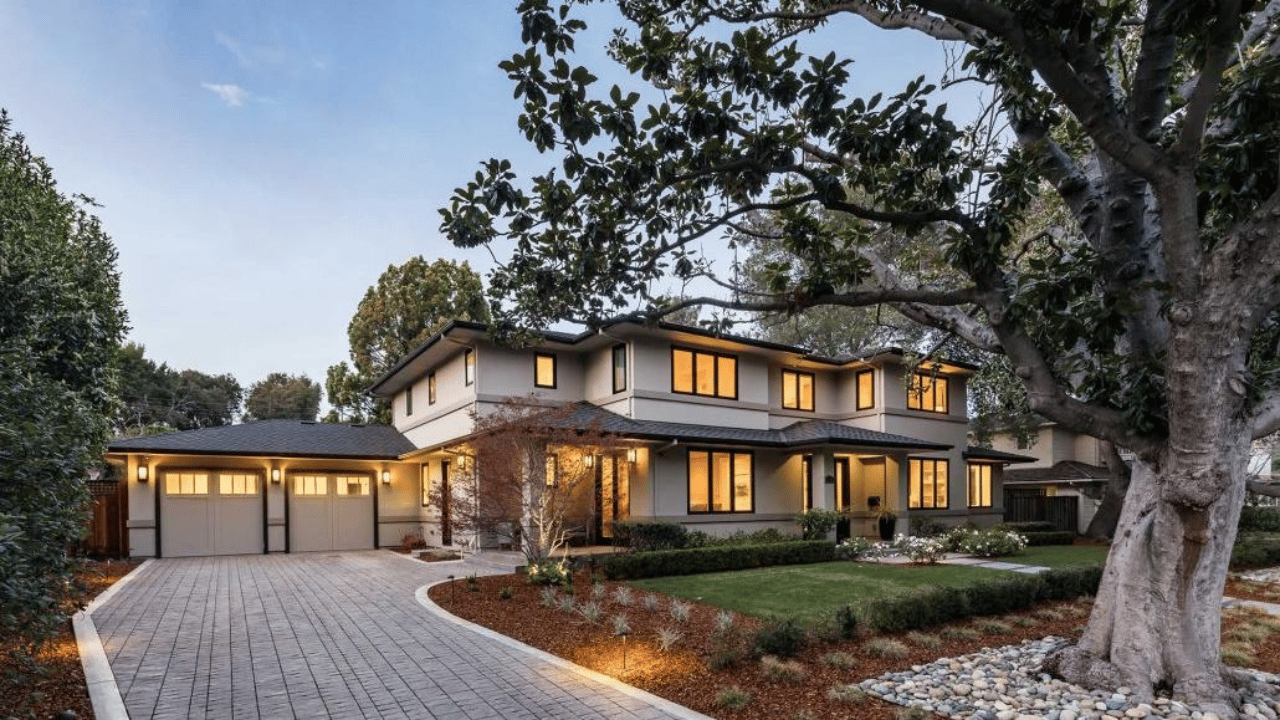
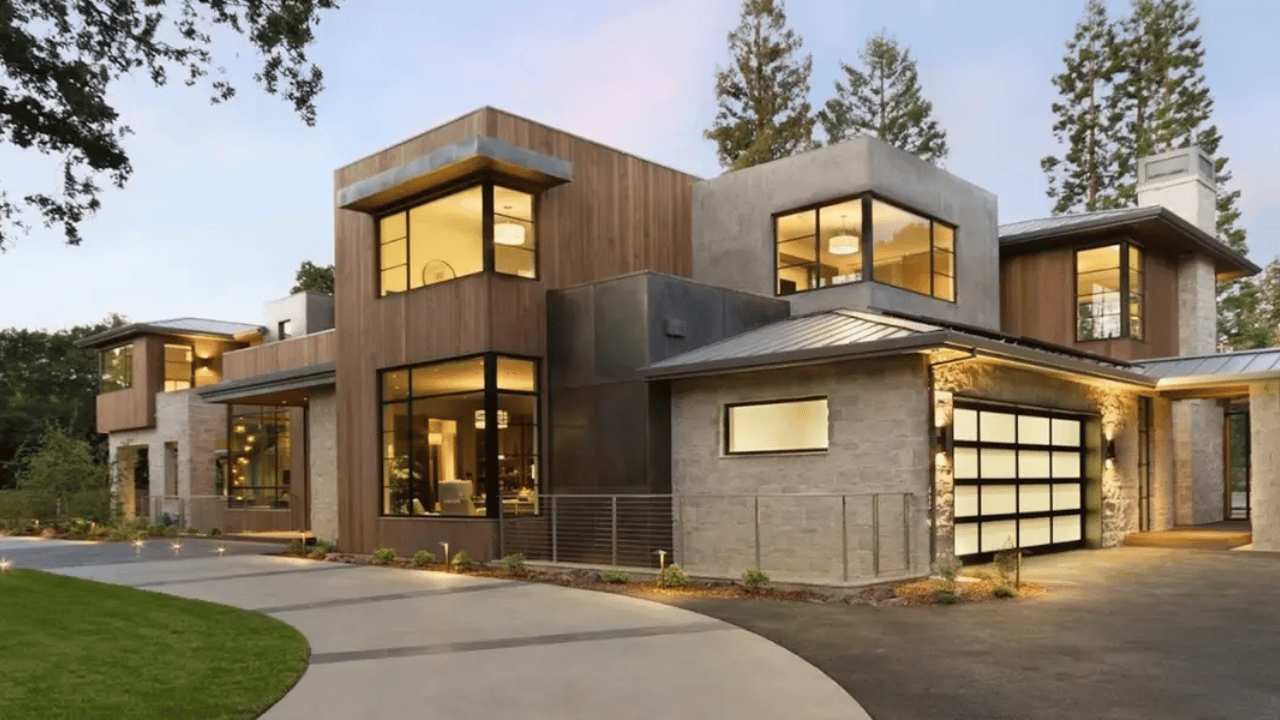
Long-term ownership in Atherton is both a strength and a complication when it comes time to sell. Homes that have been held for decades often sit on exceptional land, carry meaningful history, and reflect a level of stewardship that newer properties cannot replicate.
At the same time, pricing these homes can feel challenging. The market has evolved, buyer expectations have shifted, and value is no longer measured solely by what a property once represented. In Atherton, successful pricing is less about compromise and more about translation. It is the process of translating long-term value into terms today’s buyers understand and trust.
Why Long-Term Homeowners in Atherton View Value Differently
Long-term homeowners in Atherton often value their property based on personal history and past market context rather than current buyer benchmarks.
Emotional connection plays a role. A home may represent milestones, family history, or decades of careful upkeep. That history naturally informs how owners perceive value.
There is also memory-based valuation. Owners remember what the property was when it was built, how it compared to others at the time, and how much it has appreciated over the years. Buyers, however, compare the home to current alternatives, not past benchmarks.
This disconnect can create a mismatch between seller expectations and today’s buyer-driven pricing realities, especially in a market as analytical as Atherton.
How Buyers Price Legacy Properties in Atherton Today
Buyers evaluating legacy properties in Atherton typically separate land value from structure value and price in renovation risk upfront.
Land value often carries more weight than the existing structure. Buyers ask what can be built, expanded, or reimagined rather than focusing solely on current finishes.
Renovation assumptions also factor heavily. Even well-maintained homes may be viewed as candidates for significant updates, and buyers price those assumptions into their offers.
Risk and uncertainty play a role as well. Unknown conditions, older systems, or nonconforming elements can lead buyers to discount value as a buffer against future costs.
How Lot Value Drives Atherton Home Pricing
In Atherton, lot value often has a greater impact on pricing than the existing home, especially for long-held or estate properties.
Size matters, but usability matters more. Flat parcels, logical layouts, and buildable envelopes often command premiums over larger but constrained lots.
Expansion potential influences buyer demand. Setbacks, height limits, and coverage allowances shape how buyers assess future flexibility.
Privacy is another key factor. Mature landscaping, distance from neighboring homes, and compliant setbacks enhance perceived value and differentiate one property from another.
Pricing Strategies for Long-Held and Legacy Homes in Atherton
Pricing long-held homes in Atherton requires choosing a strategy that aligns property condition, land value, and the most likely buyer profile.
As-is pricing appeals to buyers who are prepared to renovate or rebuild and value clarity around current condition. This approach can attract builders or experienced end users.
Improvement-adjusted pricing accounts for the home’s livability while acknowledging that updates may still be required. This strategy often resonates with buyers seeking a blend of immediate use and long-term potential.
Targeting the right buyer pool matters. Builder-focused pricing differs from end-user pricing, and understanding who is most likely to see value in the property helps guide positioning and expectations.
When Conservative Pricing Creates Leverage for Atherton Sellers
In certain situations, conservative pricing in Atherton can generate early competition and strengthen the seller’s negotiating position.
Generating early interest can lead to competition, which reframes buyer perception and strengthens negotiating position.
Avoiding extended market exposure is particularly important for legacy homes. Long days on market can shift attention from land value to perceived issues.
Protecting the final sale outcome often comes down to momentum. A well-calibrated price supported by clear strategy can preserve value better than holding firm at a number the market is not ready to support.
For additional context, see What It’s Like to Live in Atherton: A Local’s Perspective and What It’s Like to Live in a Gated Community in Atherton: Pros and Cons. Both articles provide helpful insight into how lifestyle expectations, privacy, and long-term ownership patterns influence buyer demand and pricing decisions in Atherton.
Common Questions About Pricing Long-Held Homes in Atherton
Does long-term ownership affect home pricing?
Yes. Long-term ownership often means higher land value and stronger emotional attachment, but pricing must still align with current buyer expectations and market conditions.
Should legacy homes be priced differently?
Often, yes. Legacy homes benefit from pricing strategies that account for land value, renovation assumptions, and the likely buyer profile rather than relying solely on comparable sales.
Do buyers discount older homes?
Buyers do not automatically discount older homes, but they do factor in modernization needs, risk, and uncertainty when evaluating value.
In Atherton, long-term ownership tells an important story, but pricing determines how that story is received. When legacy value is translated clearly and strategically, sellers are better positioned to protect outcomes and move forward with confidence.