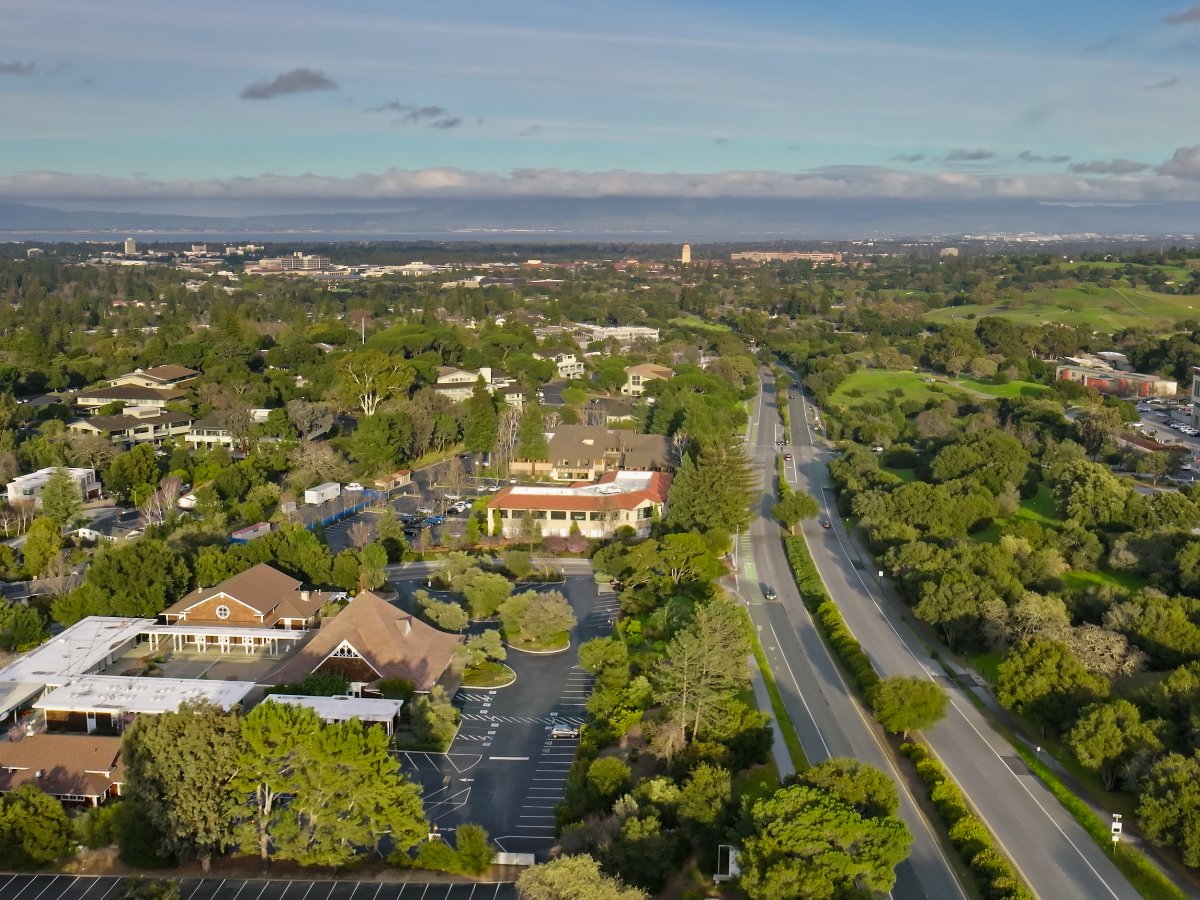
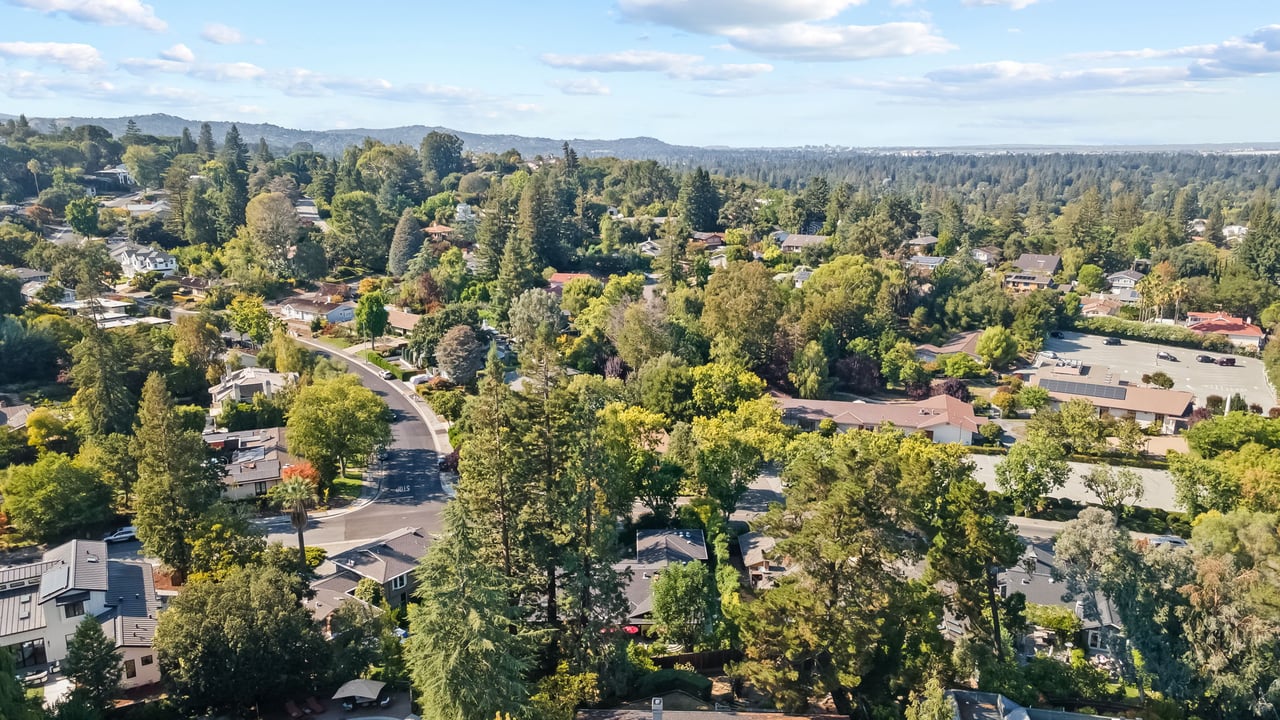
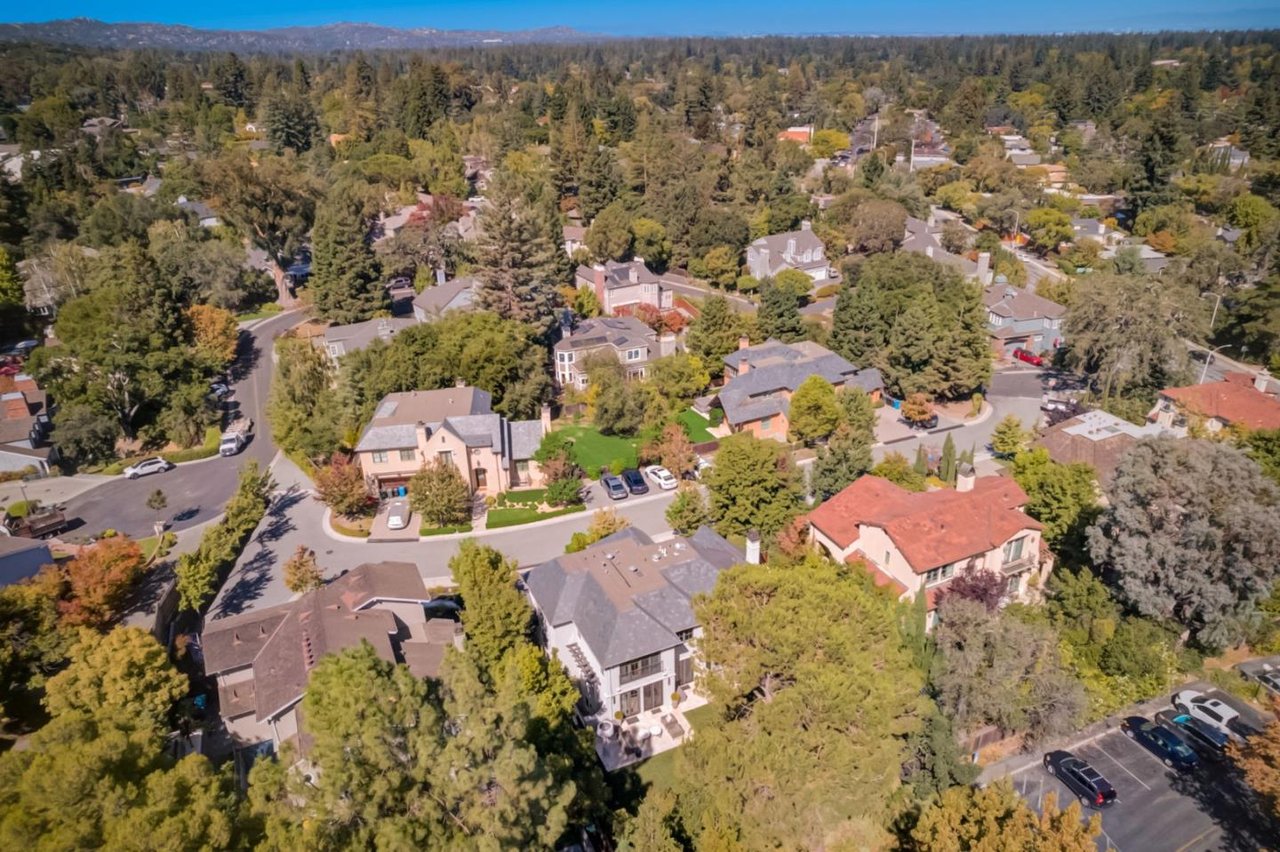
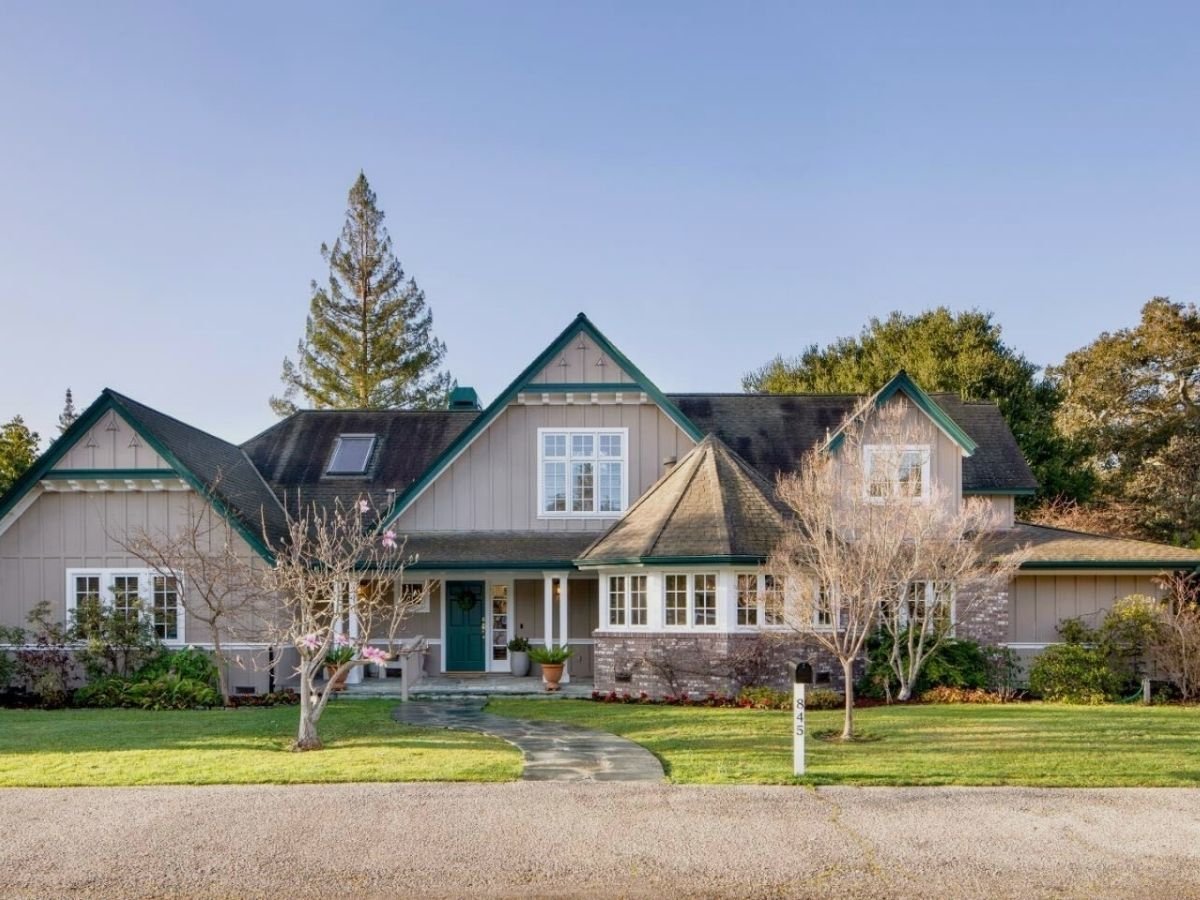
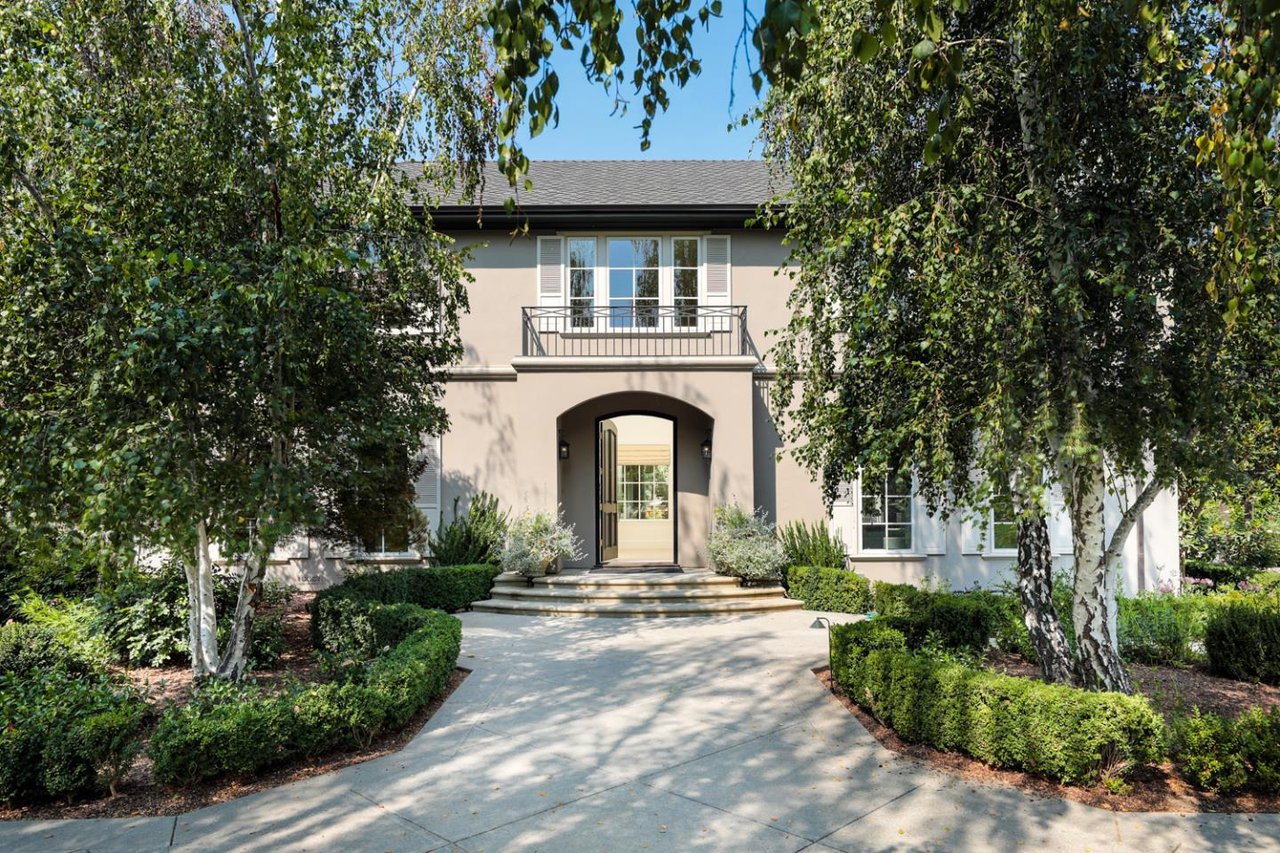
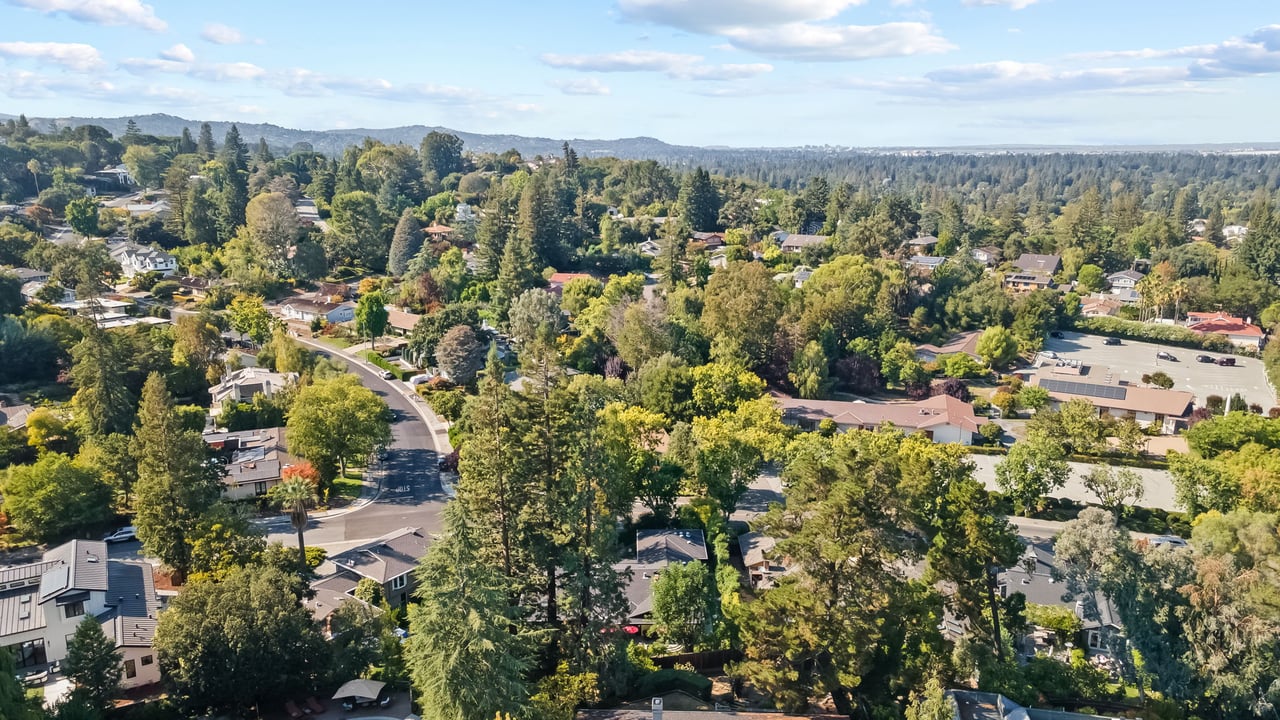
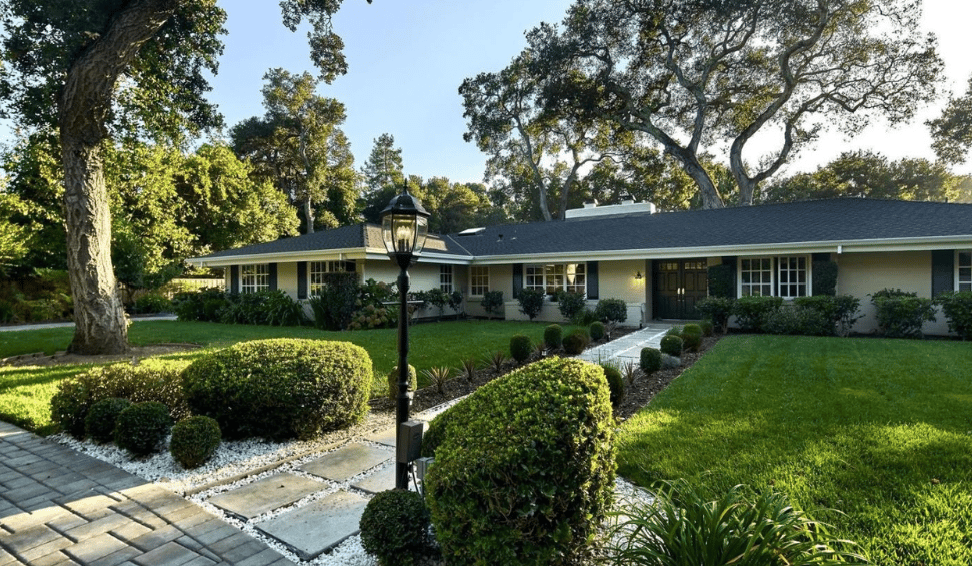
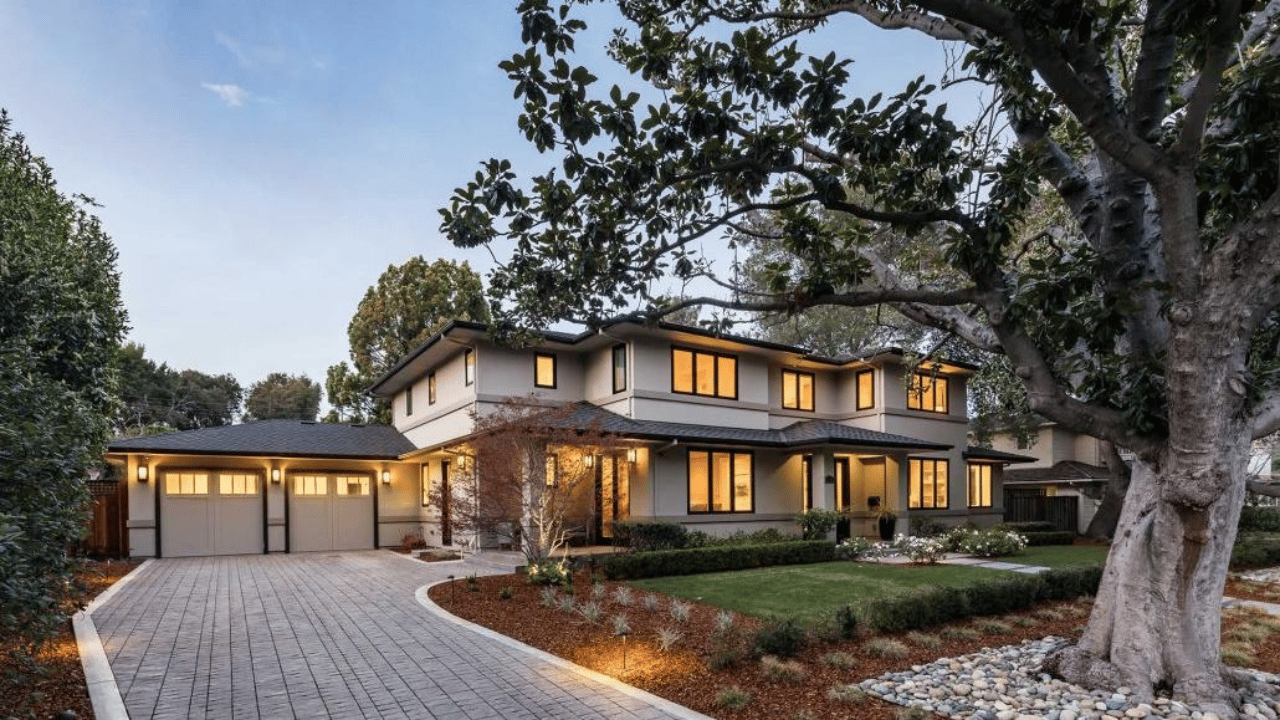
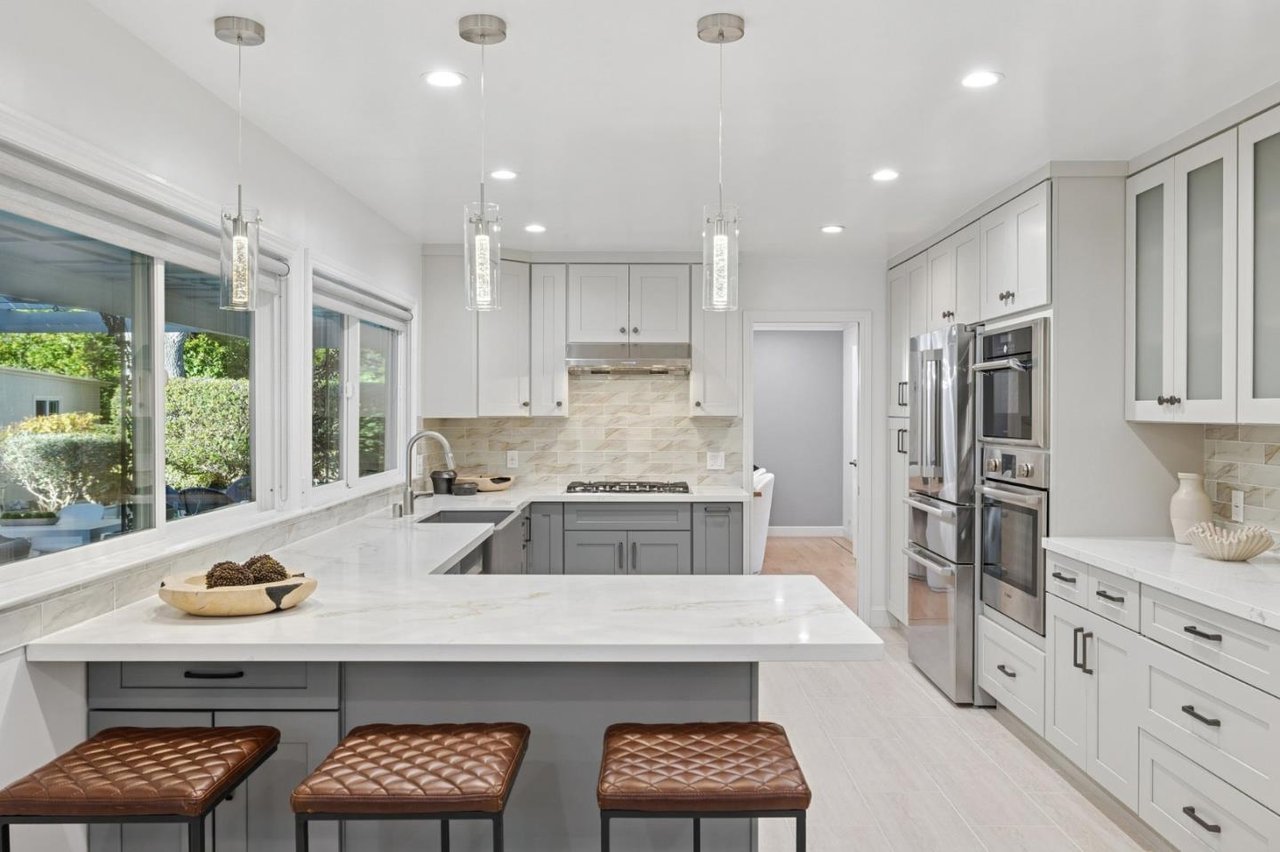
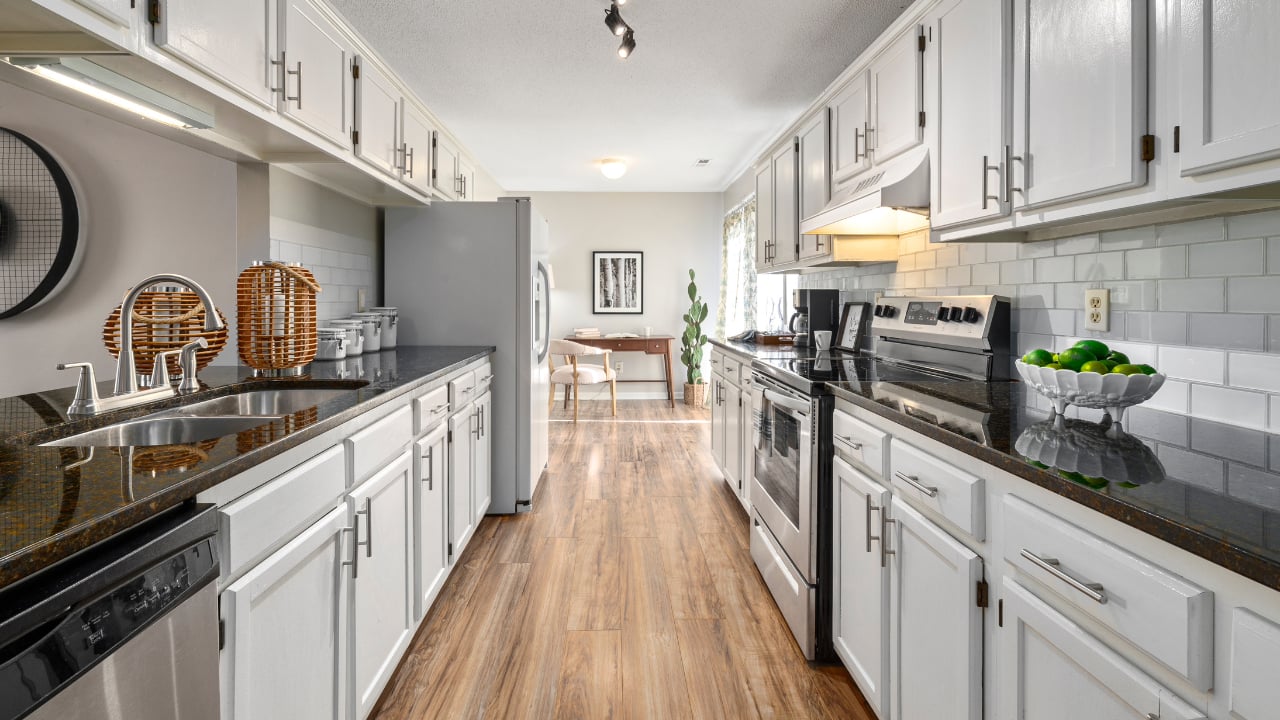
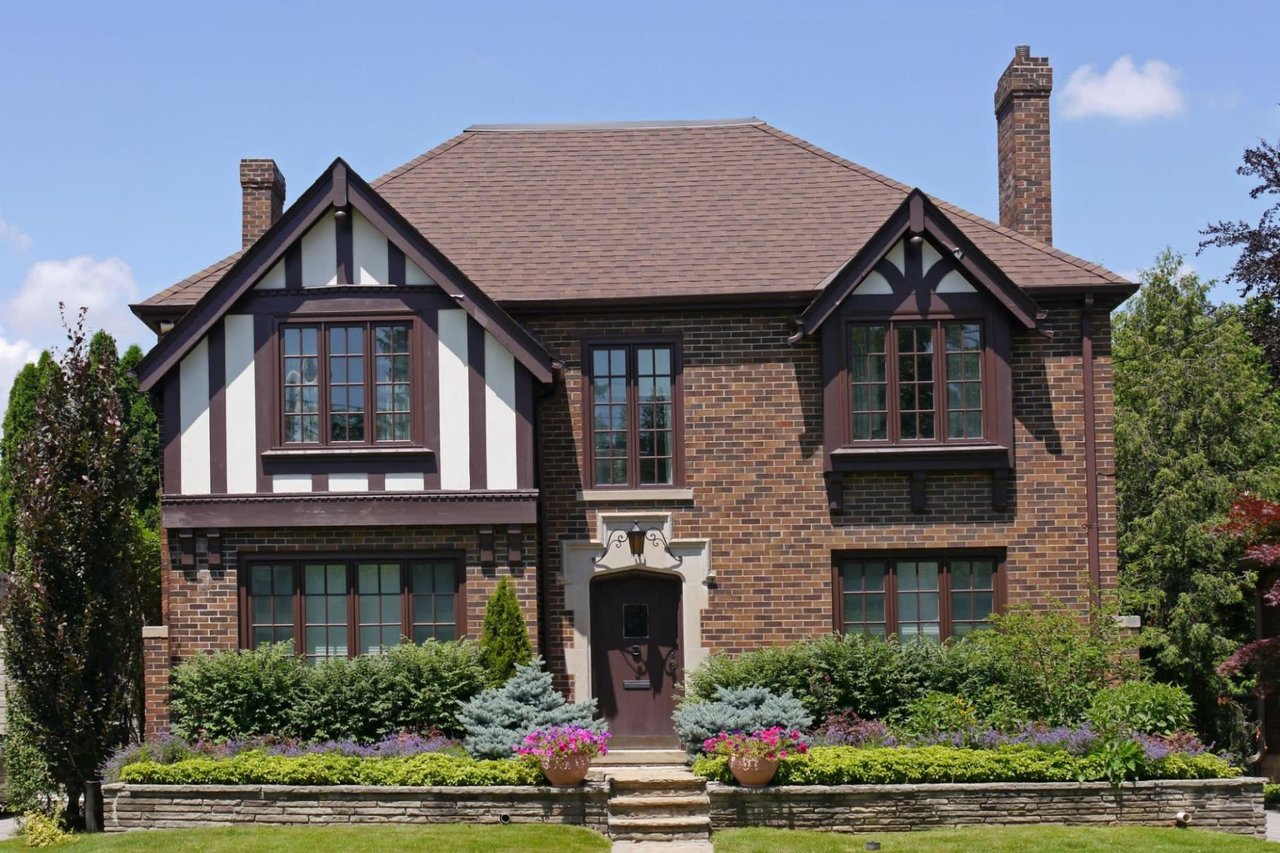
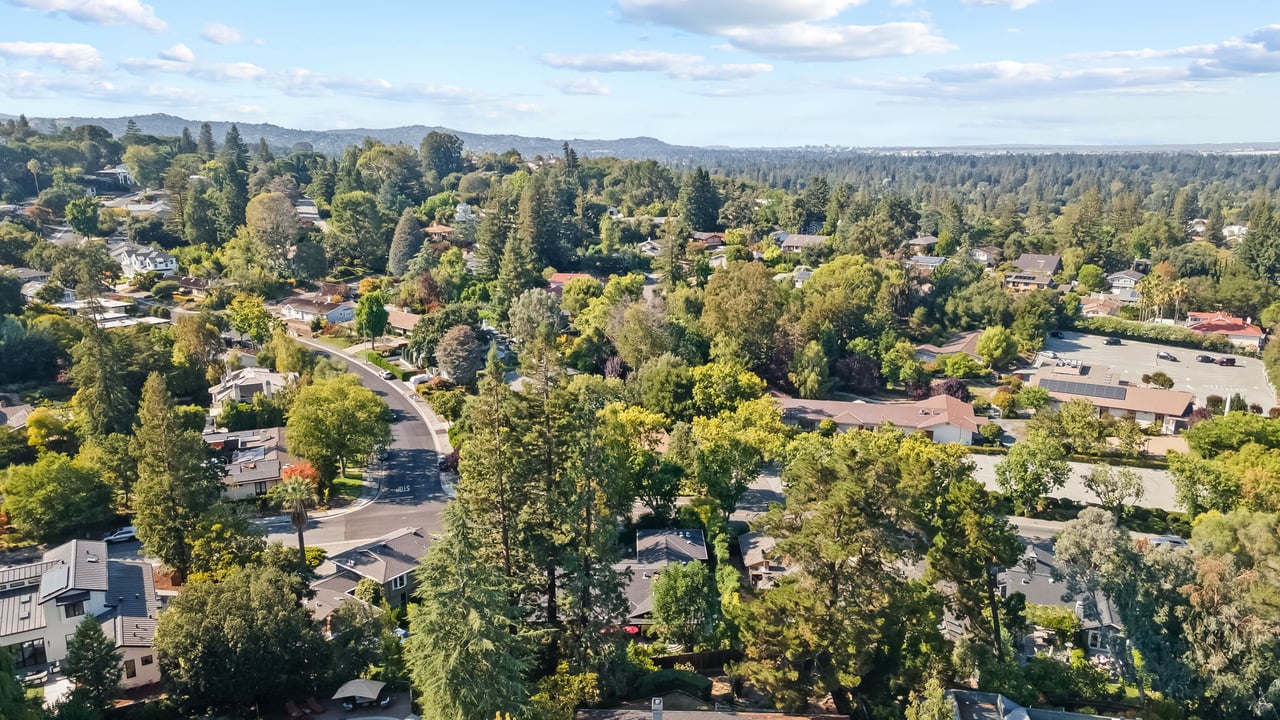
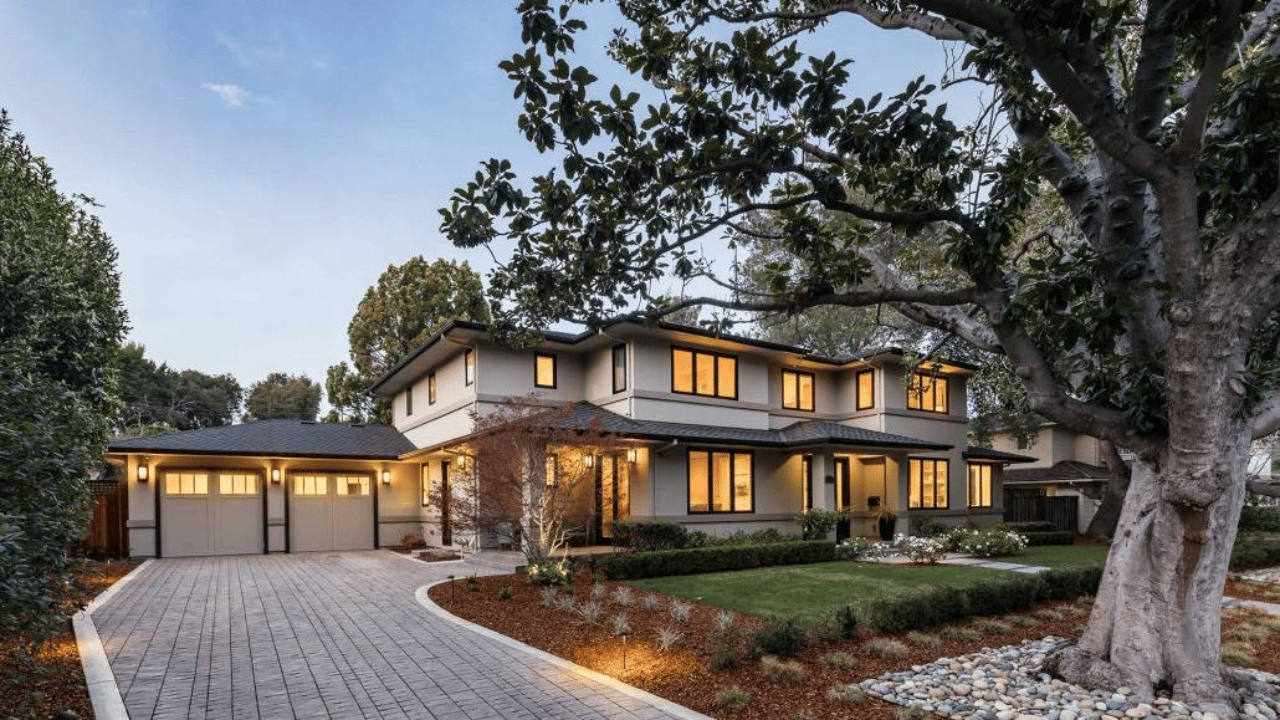
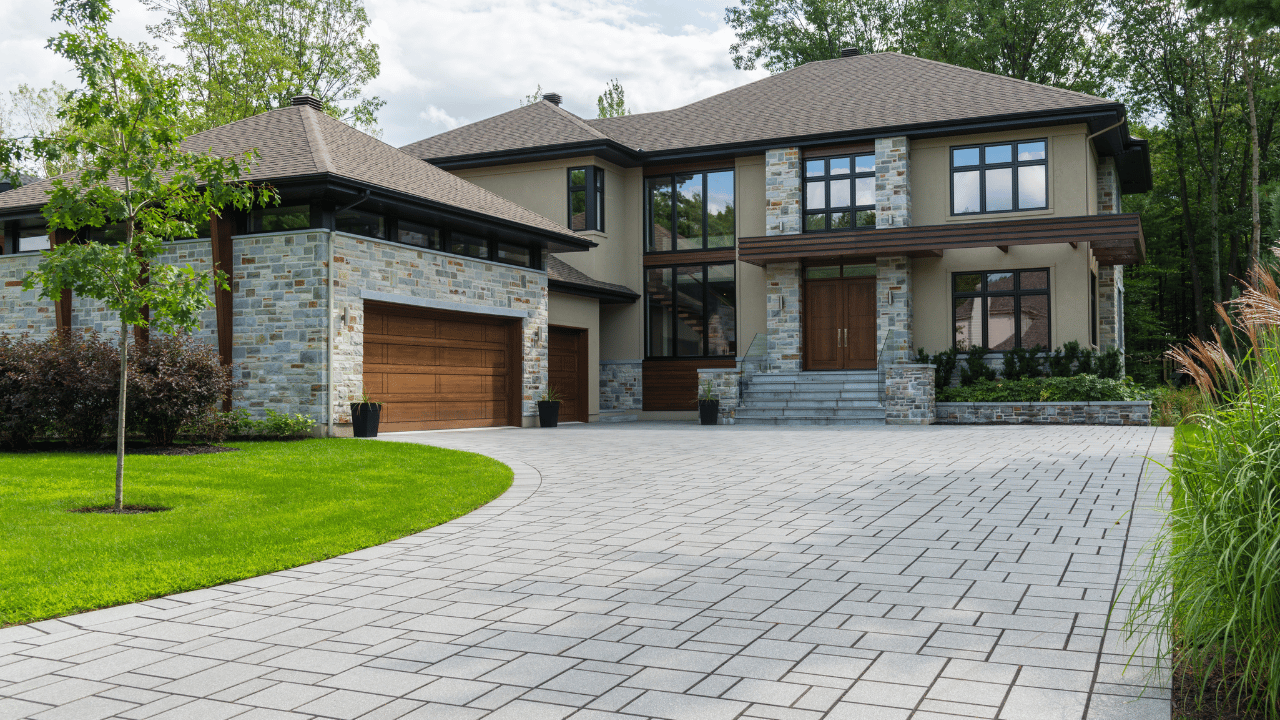
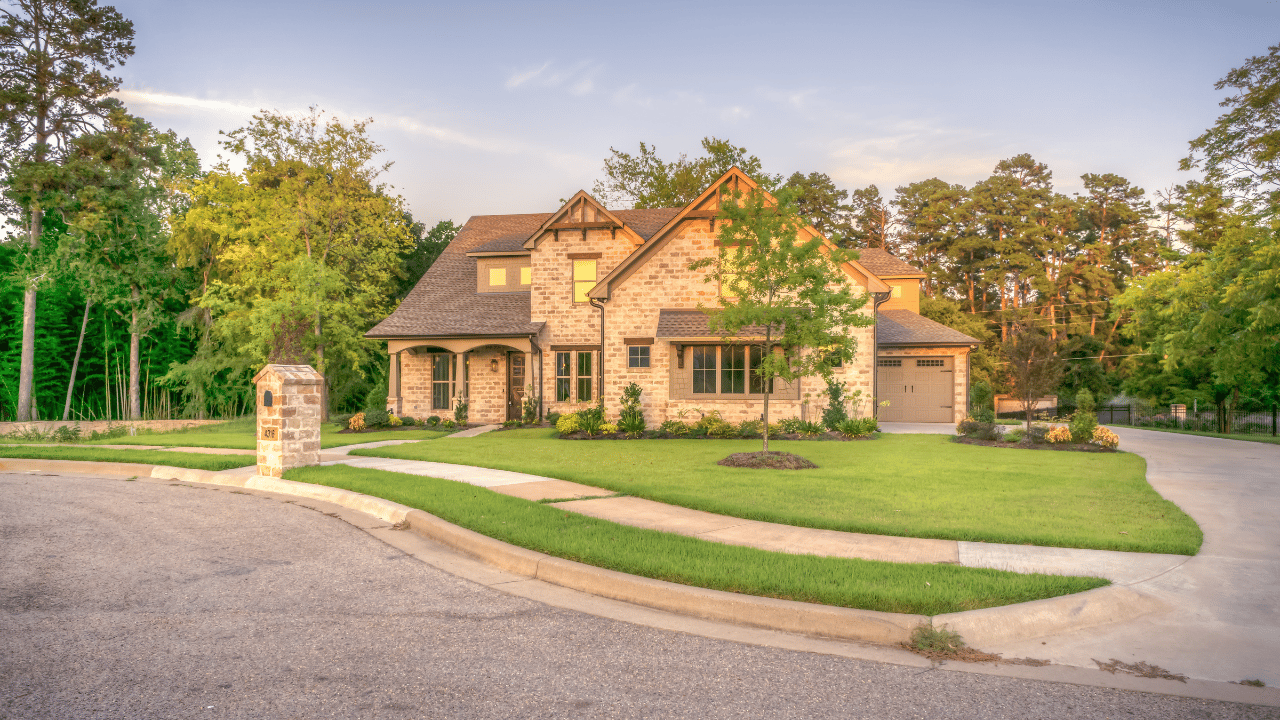
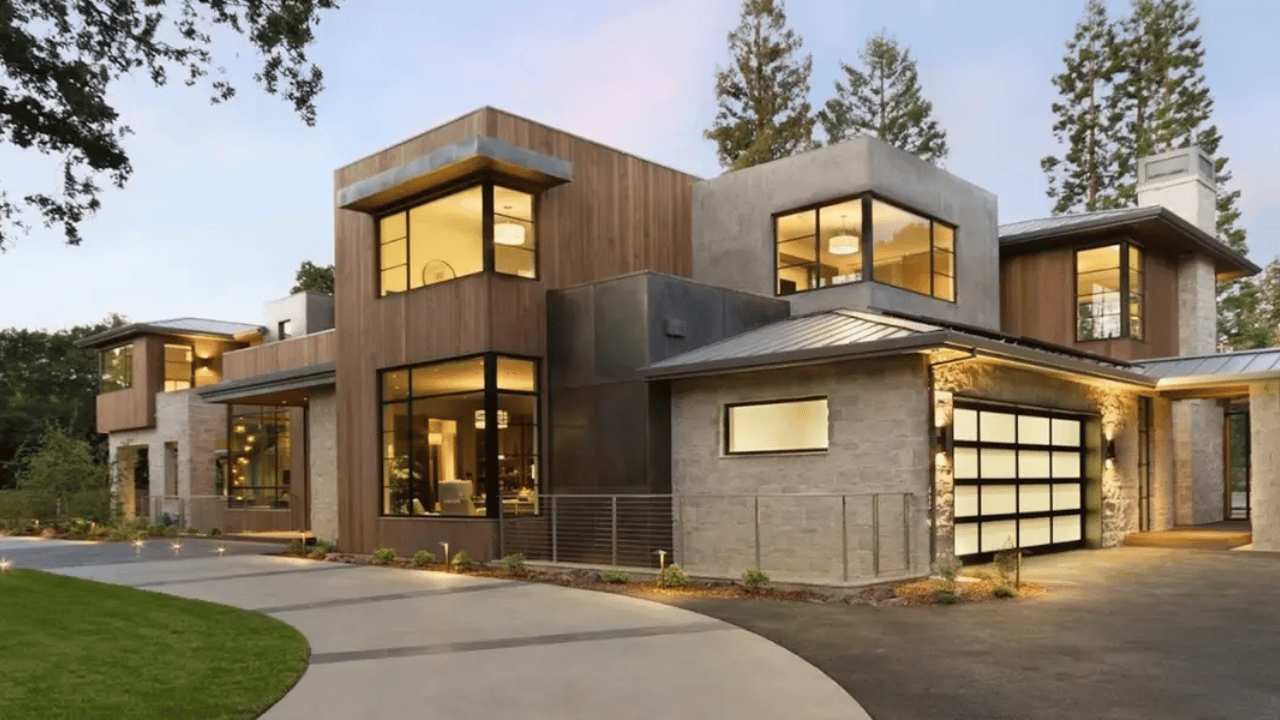
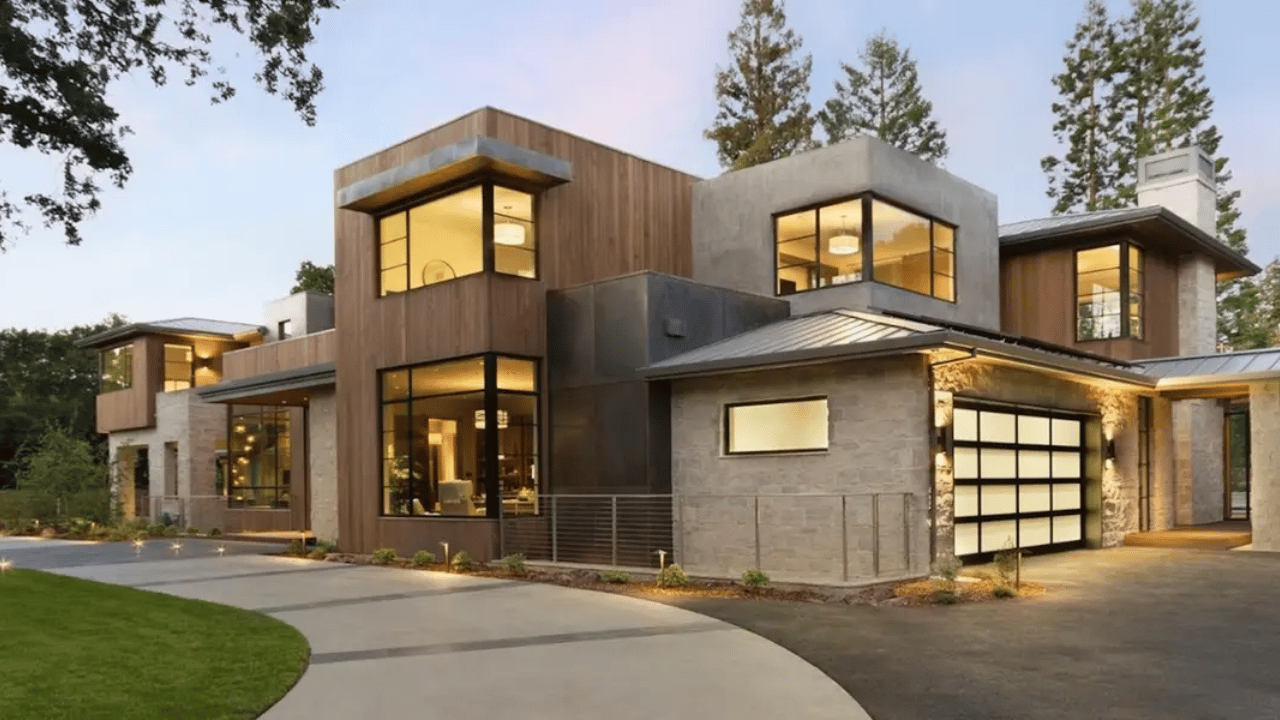
One of the most common misconceptions about Menlo Park real estate is that it functions as a single, uniform market. In reality, Menlo Park is a collection of distinct micro-markets, each with its own pricing dynamics, buyer demand, and long-term value profile.
Two homes just blocks apart can differ in value by seven figures, not because of the house itself, but because of neighborhood-level factors that savvy buyers (and successful sellers) pay close attention to.
This guide breaks down how Menlo Park neighborhoods influence home values, what drives those differences, and what homeowners should understand before selling.
What Actually Drives Home Values in Menlo Park
Before looking at individual neighborhoods, it’s important to understand the core factors that consistently influence pricing across Menlo Park.
1. School District Alignment
School boundaries remain one of the most powerful value drivers. Even subtle differences in district lines can materially affect demand, buyer competition, and long-term appreciation.
2. Walkability & Access
Proximity to downtown Menlo Park, restaurants, parks, and daily conveniences often commands a premium, particularly for buyers downsizing from larger estates or relocating from urban markets.
3. Lot Size, Zoning & Expansion Potential
Larger lots, favorable zoning, and the ability to expand or rebuild play an outsized role in buyer decision-making, especially in a supply-constrained market.
4. Buyer Profile by Neighborhood
Different areas attract different buyers, families, executives, downsizers, or long-term investors, which directly affects pricing strategy and how homes should be positioned when selling.
Menlo Park Neighborhoods by Value Profile
Below is a neighborhood-by-neighborhood look at how these factors come together.
Allied Arts
Allied Arts is often considered one of Menlo Park’s most established and recognizable neighborhoods.
Value drivers
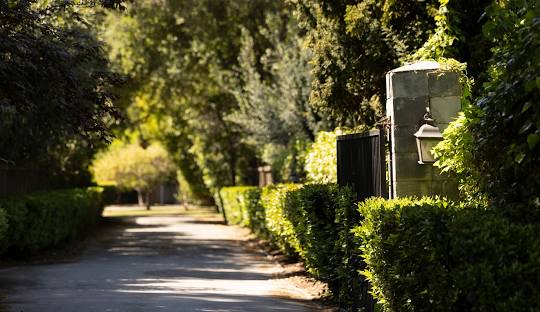
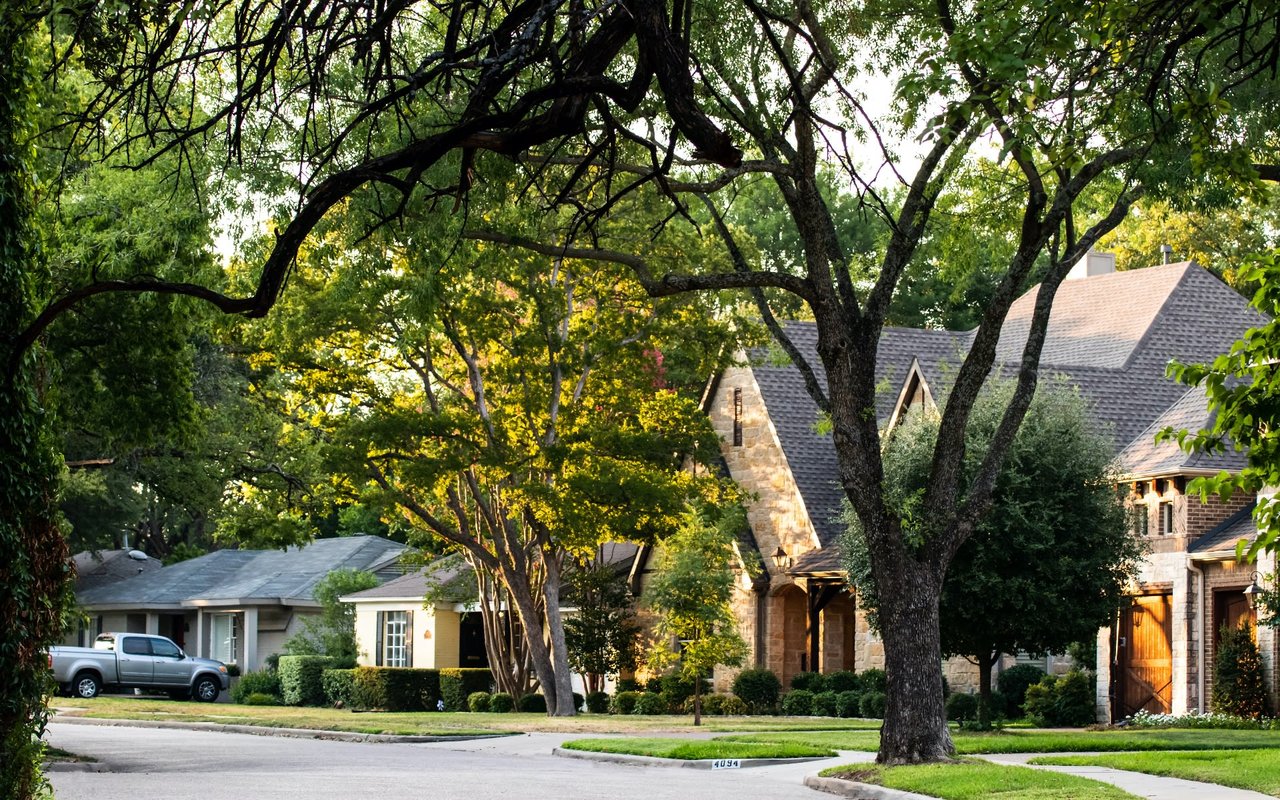
-Tree-lined streets with classic architecture
-Strong school alignment
-Consistent family demand
How it impacts pricing
Homes here tend to show steady, resilient value rather than dramatic swings. Buyers prioritize location and schools, often accepting smaller lots or older homes in exchange for long-term stability.
Seller insight
Well-prepared homes typically perform best. Strategic updates, not over-renovation, often yield the strongest returns.
Central Menlo
Central Menlo benefits from its walkability and proximity to downtown, making it particularly appealing to buyers who value lifestyle convenience.
Value drivers
-Access to restaurants, shops, and Caltrain
-Appeal to downsizers and professionals
-Smaller lot sizes compared to western neighborhoods
How it impacts pricing
Pricing per square foot can be competitive, even when total lot size is smaller. Demand tends to be strong for turnkey homes that require minimal work.
Seller insight
Presentation and staging matter here. Buyers often compare homes closely and respond quickly to well-positioned listings.
West Menlo Park
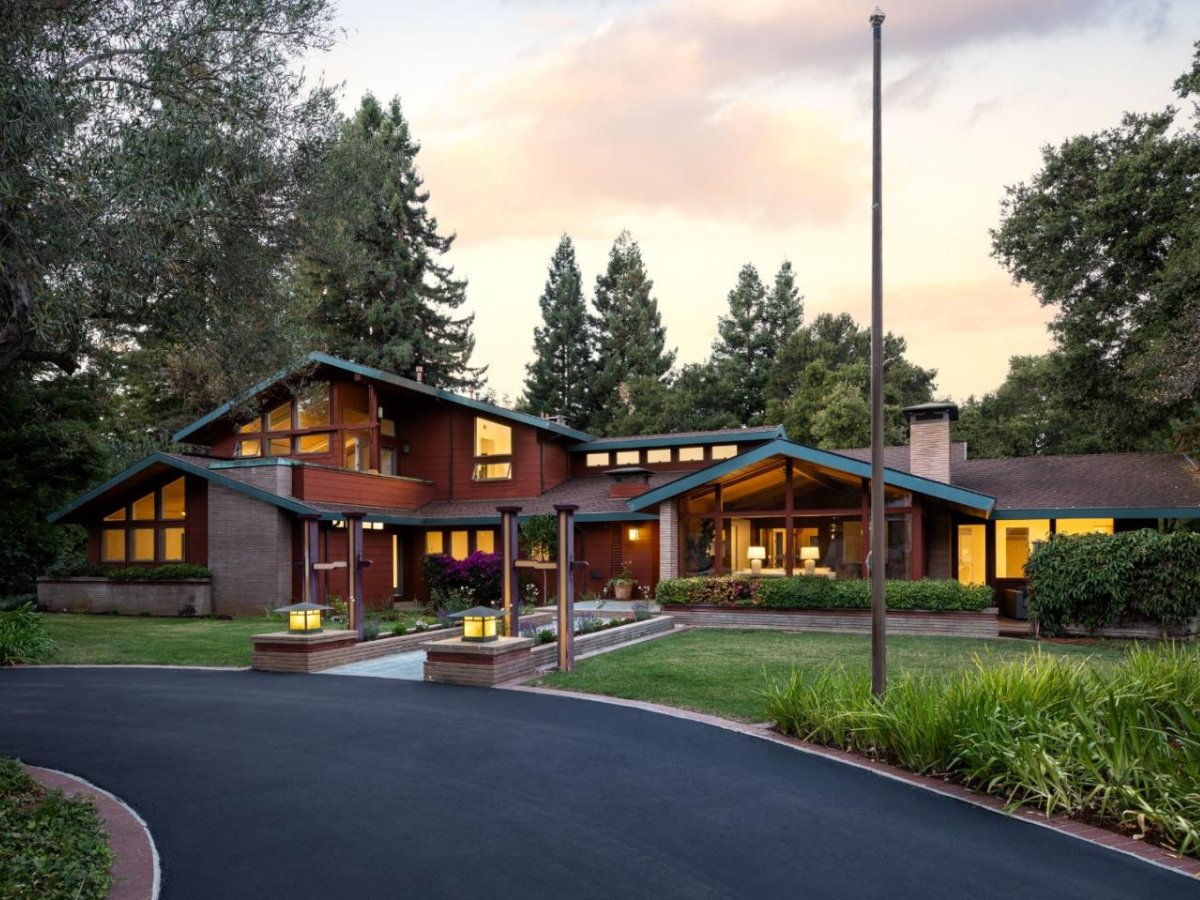
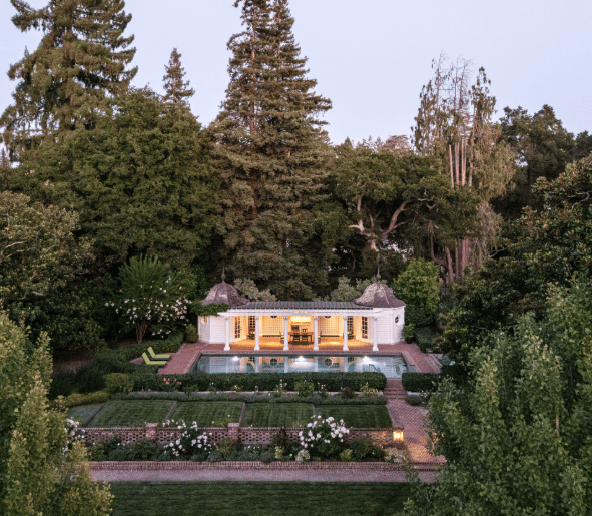
West Menlo Park is known for larger lots, greater privacy, and a more estate-like feel.
Value drivers
-Larger parcels and setback privacy
-Flexibility for expansion or redevelopment
-Appeal to executive and long-term buyers
How it impacts pricing
Values are influenced less by walkability and more by land characteristics. Homes with strong lot fundamentals tend to hold value exceptionally well over time.
Seller insight
Buyers may be willing to overlook cosmetic issues if the land and location are compelling. Selling “as-is” can sometimes be a strategic advantage rather than a drawback.
The Willows (Boundary Considerations)
While often discussed alongside Menlo Park, parts of The Willows sit near municipal and school boundaries, which can create confusion.
Value drivers
-Charm and community feel
-Boundary-specific school considerations
-Buyer education plays a major role
How it impacts pricing
Clear communication around boundaries and school assignment is critical. Misunderstandings can impact perceived value if not addressed proactively.
Seller insight
Accurate positioning and early clarification help protect pricing and reduce friction during escrow.
How Neighborhood Choice Shapes Your Selling Strategy
Where your home is located within Menlo Park doesn’t just affect value, it affects how you should sell.
Pricing strategy: Some neighborhoods support aggressive pricing; others reward precision.
Preparation decisions: Renovate, refresh, or sell as-is varies by area.
Timing: Buyer activity and seasonality can differ meaningfully by neighborhood.
A strategy that works well in one part of Menlo Park may underperform just a mile away.
Key Takeaways for Menlo Park Homeowners
-Menlo Park is not a single market, micro-location matters deeply
-School boundaries, lot size, and buyer profile drive pricing differences
-The best selling strategy depends as much on neighborhood as on the home itself
-Thoughtful positioning often matters more than extensive renovation
Understanding these nuances allows homeowners to sell with clarity, confidence, and realistic expectations.
Menlo Park Neighborhood FAQs
Which Menlo Park neighborhood holds value best?
Neighborhoods with strong school alignment, limited turnover, and consistent buyer demand, such as Allied Arts and West Menlo Park, tend to show the most stable long-term value.
Do school districts really affect home prices?
Yes. Even small differences in district boundaries can influence buyer demand and final sale prices, especially for family-focused buyers.
Is one Menlo Park neighborhood better for off-market sales?
Homes offering privacy, larger lots, or unique characteristics often perform well off-market, particularly in areas where discretion is valued.