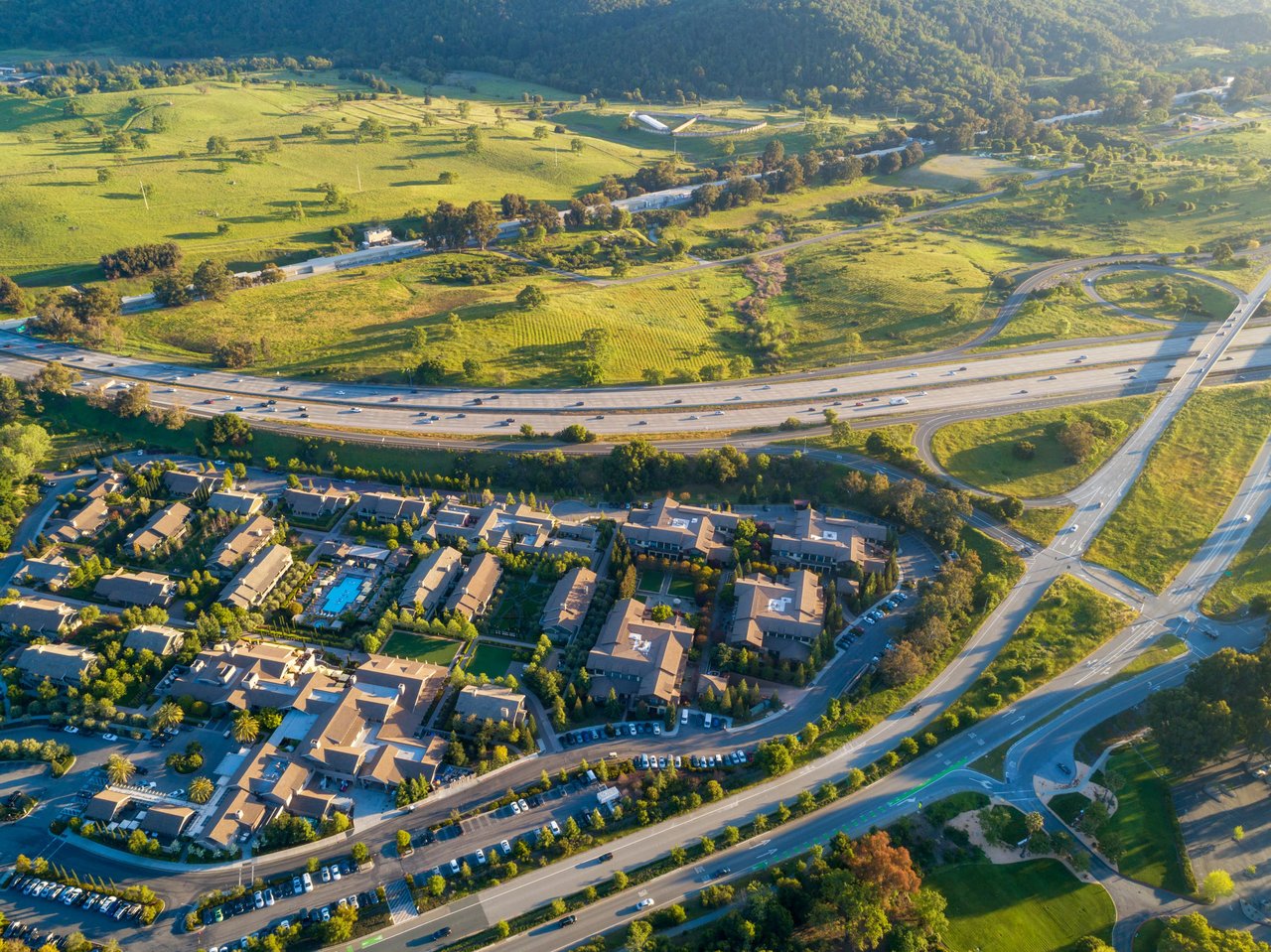
Allied Arts is one of Menlo Park's older residential neighborhoods, located near downtown Menlo Park, Stanford University, Stanford Shopping Center, Palo Alto, and San Francisquito Creek. City planning documents also refer to the neighborhood as Allied Arts/Stanford Park.
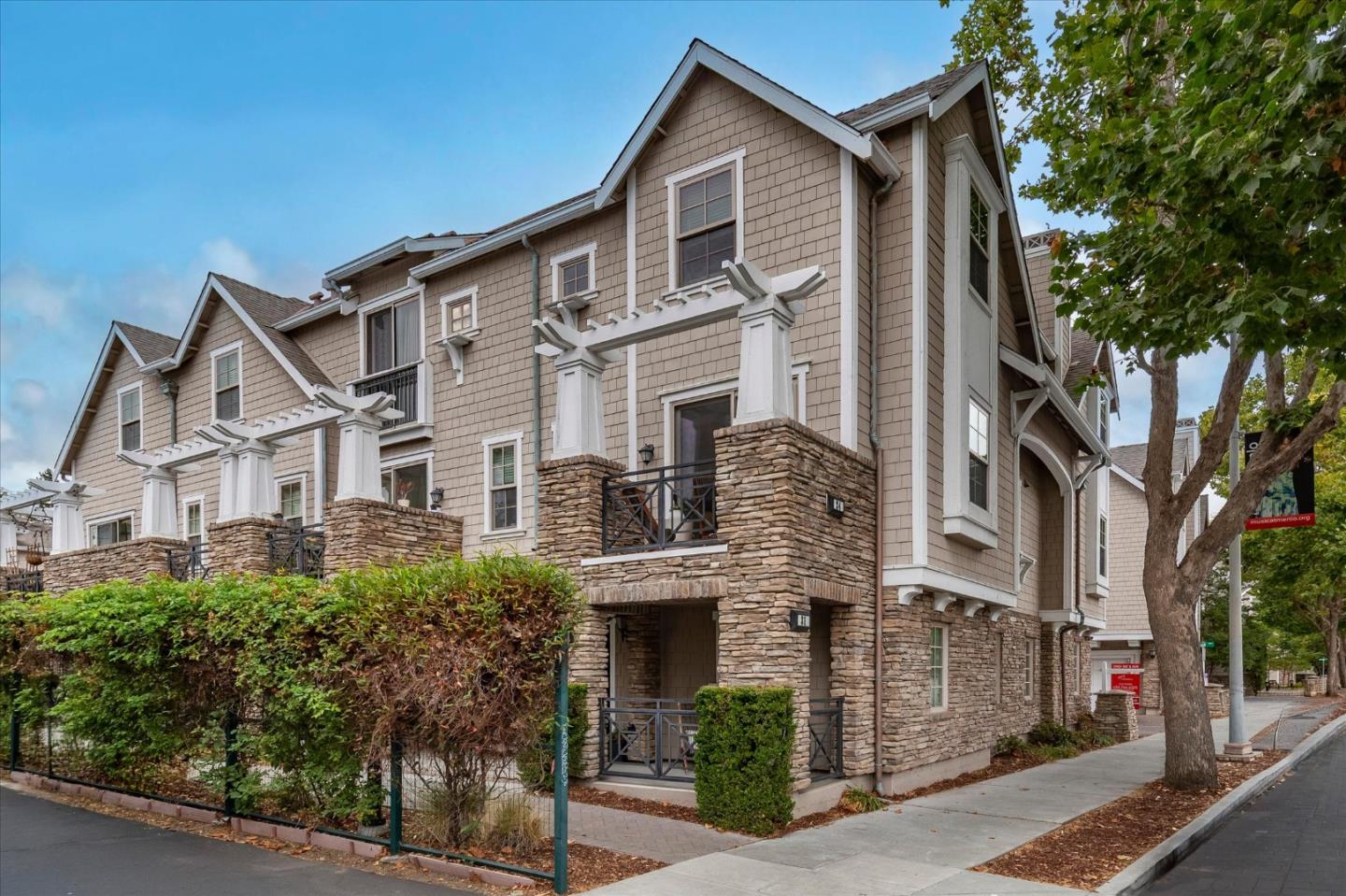
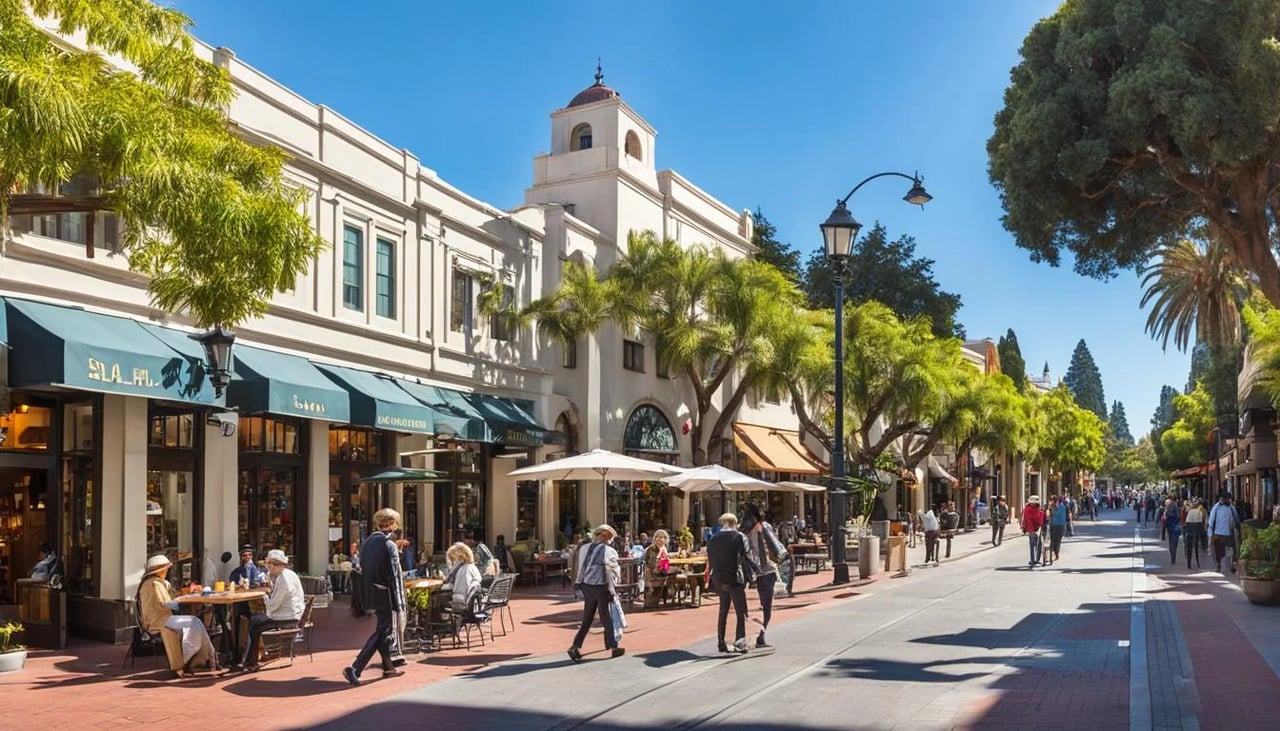
The area is primarily made up of detached single-family homes, with older residences, remodeled properties, newer construction, and some two-story apartment buildings. Its grid of tree-lined streets and location near both downtown Menlo Park and Stanford distinguish it from many other parts of the city.
Allied Arts is also commonly referred to as Stanford Park. The City uses the combined name Allied Arts/Stanford Park in its neighborhood planning documents and generally describes the area around El Camino Real, Middle Avenue, Creek Drive, and San Francisquito Creek.
Neighborhood names and real estate search boundaries do not always align perfectly, so buyers should confirm the location and school assignment of a specific property rather than relying on the neighborhood label alone.
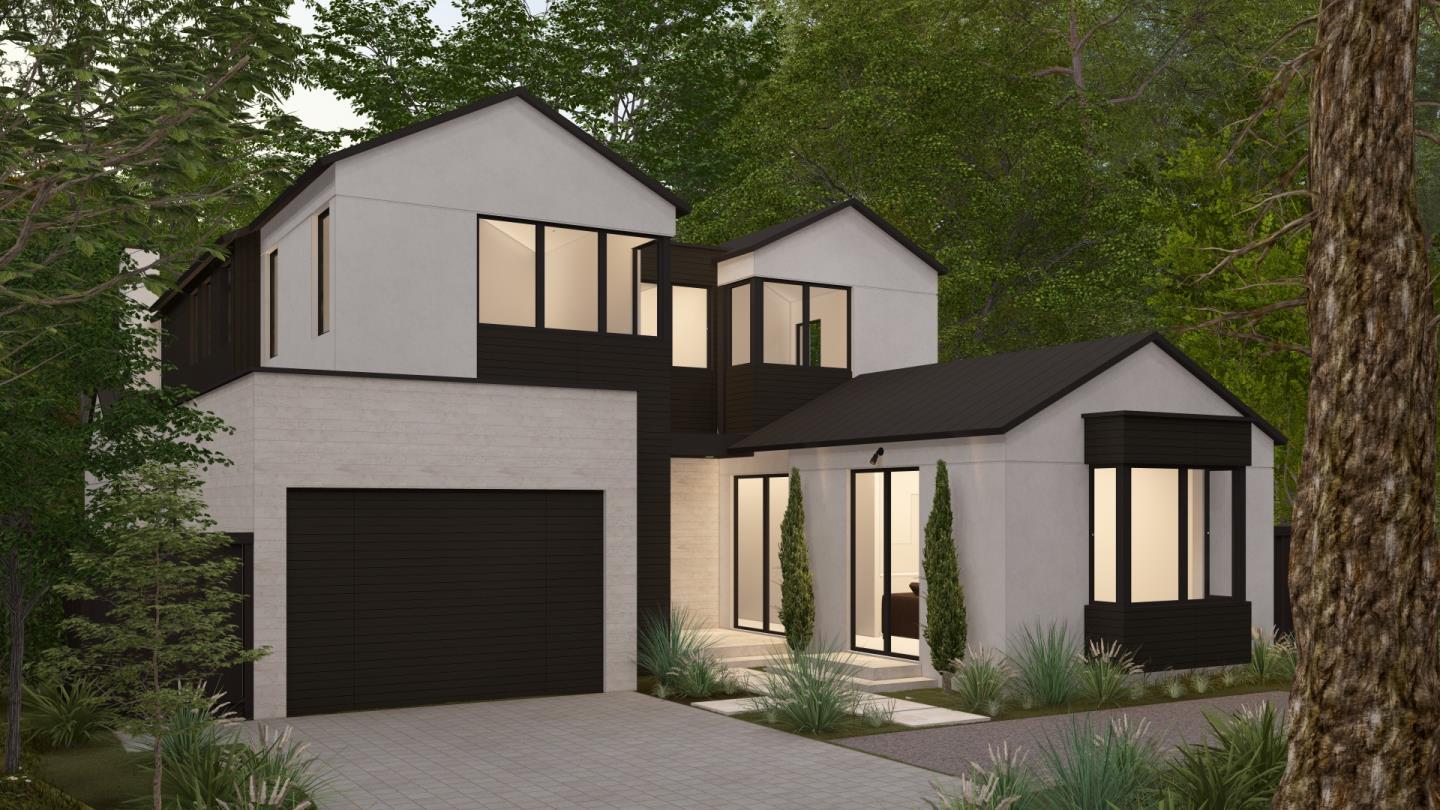
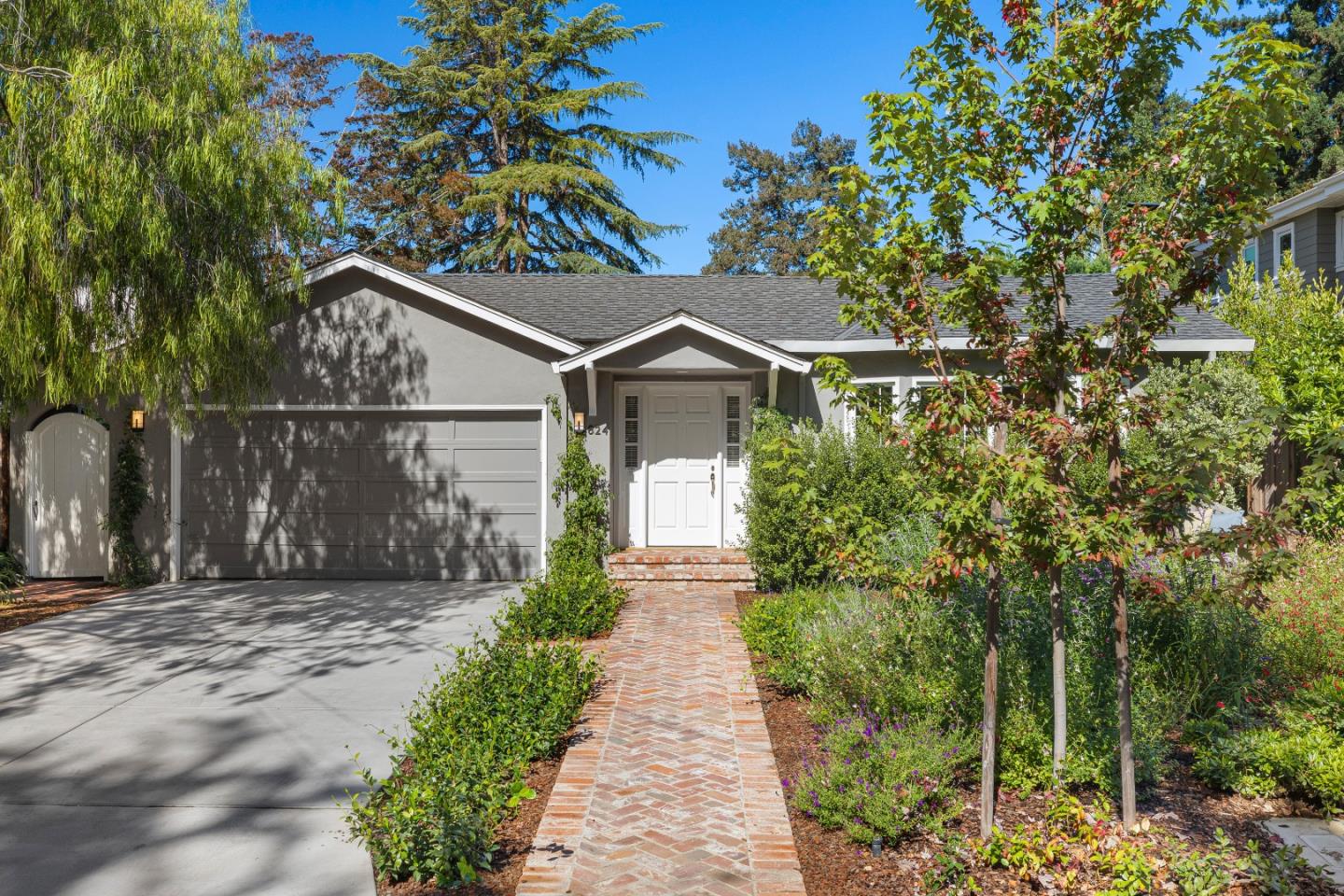
Much of Allied Arts' architectural character developed between 1926 and 1940. Early homes include examples of Colonial Revival, Tudor Revival, Mediterranean Revival, bungalow, and other period styles, with later ranch-style homes also found throughout the neighborhood.
The City describes the neighborhood as predominantly small-scale, one- and two-story single-family residences. Today, those older homes sit alongside renovated properties and newer construction, creating substantial differences in size, condition, architecture, and underlying land value from one property to another.
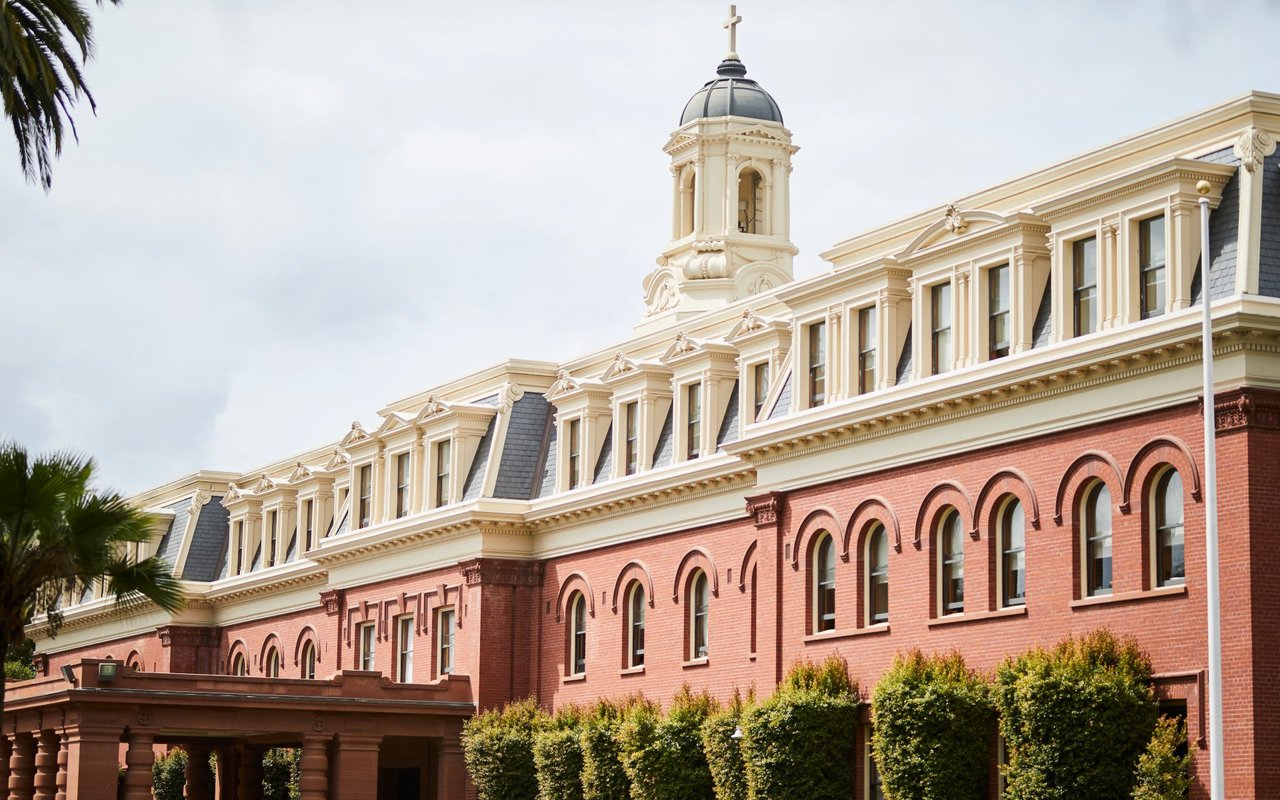
The Allied Arts Guild at 75 Arbor Road has been a Menlo Park landmark since 1929. The 3.5-acre property was developed by Delight and Garfield Merner with architect Gardner Dailey and artist Pedro de Lemos and includes Spanish Colonial-style buildings, gardens, artist studios, shops, and Café Wisteria.
The Guild remains open to the public and is operated by the Allied Arts Guild Auxiliary, which supports Lucile Packard Children's Hospital Stanford. Its history and architecture are closely connected to the identity of the surrounding neighborhood.
Allied Arts has a connected street grid and strong pedestrian and bicycle access within the neighborhood. City planning documents describe its internal walkability and interconnectivity as excellent, although crossings toward the east side of El Camino Real are more limited.
The neighborhood is close to downtown Menlo Park, Stanford Shopping Center, Stanford University, and Palo Alto. El Camino Real, Middle Avenue, and University Drive provide the primary connections to the surrounding area.
Nealon Park and Jack W. Lyle Park are located just outside the neighborhood. Nealon Park includes tennis courts, open lawn areas, playground facilities, and an off-leash dog area, while Jack W. Lyle Park has a playground, basketball court, multi-use field, picnic areas, and paved walking paths. One of the things I enjoy about working in Menlo Park is seeing how much the experience of living here can vary from one neighborhood to another. I share more about that in my article, What It's Like To Live in Menlo Park: A Local's Perspective.
Public-school assignments should be confirmed for the individual property address.
For homes within the Menlo Park City School District, the district directs buyers and residents to its School Locator for TK-5 placement. All MPCSD students in grades 6-8 attend Hillview Middle School.
High school assignment is handled separately by the Sequoia Union High School District and is determined by the student's home address.
The neighborhood's older housing stock creates opportunities for both renovation and redevelopment, but the potential varies by property.
Dana's existing Menlo Park research identifies Allied Arts as an area where builders evaluate smaller older homes for the possibility of creating larger residences. Lot dimensions, zoning, setbacks, protected trees, existing improvements, school boundaries, and surrounding resale values can all affect that analysis.
For homeowners considering a major renovation, understanding the land value and likely buyer pool before beginning substantial work can help determine whether remodeling, rebuilding, or selling the property in its current condition makes the most sense.
Buyers should compare the property itself as carefully as the neighborhood.
Home age, renovation history, lot dimensions, permits, street location, school assignment, and future expansion potential can create substantial differences between properties that appear similar in online listings.
Older homes deserve additional due diligence when remodeling or redevelopment is part of the plan. Reviewing development constraints before making an offer provides a clearer picture of what the property can support. I recently worked with buyers who were looking for a home they could make their own over time. You can read about their experience in How Our Buyers Won a Menlo Park Home Against 8 Competing Offers.
Older Allied Arts homes can appeal to more than one type of buyer. A well-maintained or remodeled property may attract someone looking for a move-in-ready home, while another property may draw interest from buyers or builders focused on the lot and redevelopment potential. If you're curious how your Allied Arts home may be valued in today's market, you can request a Home Valuation.
Allied Arts is near downtown Menlo Park, Stanford University, Stanford Shopping Center, Palo Alto, and San Francisquito Creek. City documents also refer to the neighborhood as Allied Arts/Stanford Park.
The names are commonly used for the same general area. The City of Menlo Park uses the combined name Allied Arts/Stanford Park in its planning documents.
The neighborhood includes older bungalows and period-revival homes, ranch-style properties, remodeled residences, and newer construction. Much of its early development occurred between 1926 and 1940.
The Allied Arts Guild is a historic 3.5-acre property on Arbor Road with Spanish Colonial-style architecture, gardens, artist studios, shops, and Café Wisteria. It has operated in Menlo Park since 1929.
The City describes the neighborhood's internal walkability and street connectivity as excellent. Access varies by property, and crossings of El Camino Real are more limited than movement within the neighborhood itself.
School assignment depends on the property address. Buyers should use the Menlo Park City School District School Locator for TK-5 placement when applicable. All MPCSD students in grades 6-8 attend Hillview Middle School, while high school placement is determined separately by home address.
Nealon Park and Jack W. Lyle Park are immediately outside the neighborhood and provide playgrounds, fields, walking paths, sports facilities, and other public recreation.
Some are, but the answer is property-specific. Lot dimensions, zoning, setbacks, protected trees, existing improvements, construction costs, and surrounding resale values should be reviewed before assuming a major remodel or rebuild is feasible.
Allied Arts properties can differ considerably by age, architecture, lot, condition, and future potential. If you are considering buying, selling, remodeling, or evaluating your home's current value, my team and I can help you understand how those factors affect the individual property and its position within the Allied Arts market.
1,441 people live in Allied Arts - Menlo Park, where the median age is 43 and the average individual income is $154,664. Data provided by the U.S. Census Bureau.
Total Population
Median Age
Population Density Population Density This is the number of people per square mile in a neighborhood.
Average individual Income
There's plenty to do around Allied Arts - Menlo Park, including shopping, dining, nightlife, parks, and more. Data provided by Walk Score and Yelp.
Explore popular things to do in the area, including Tracy.
Allied Arts - Menlo Park has 506 households, with an average household size of 3. Data provided by the U.S. Census Bureau. Here’s what the people living in Allied Arts - Menlo Park do for work — and how long it takes them to get there. Data provided by the U.S. Census Bureau. 1,441 people call Allied Arts - Menlo Park home. The population density is 9,433 and the largest age group is Data provided by the U.S. Census Bureau.
Total Population
Population Density Population Density This is the number of people per square mile in a neighborhood.
Median Age
Men vs Women
Population by Age Group
0-9 Years
10-17 Years
18-24 Years
25-64 Years
65-74 Years
75+ Years
Education Level
Total Households
Average Household Size
Average individual Income
Households with Children
With Children:
Without Children:
Marital Status
Blue vs White Collar Workers
Blue Collar:
White Collar:
Sharon Heights vs West Menlo Park: Homes, Schools, Lifestyle and Real Estate Compared
Dana Carmel
Compare listing agent fees, included services, marketing costs, and compensation options before choosing representation in 2026.
Dana Carmel
How off market homes in Menlo Park offer discretion, control, and strong results without public showings.
Dana Carmel