Updated: March 2026
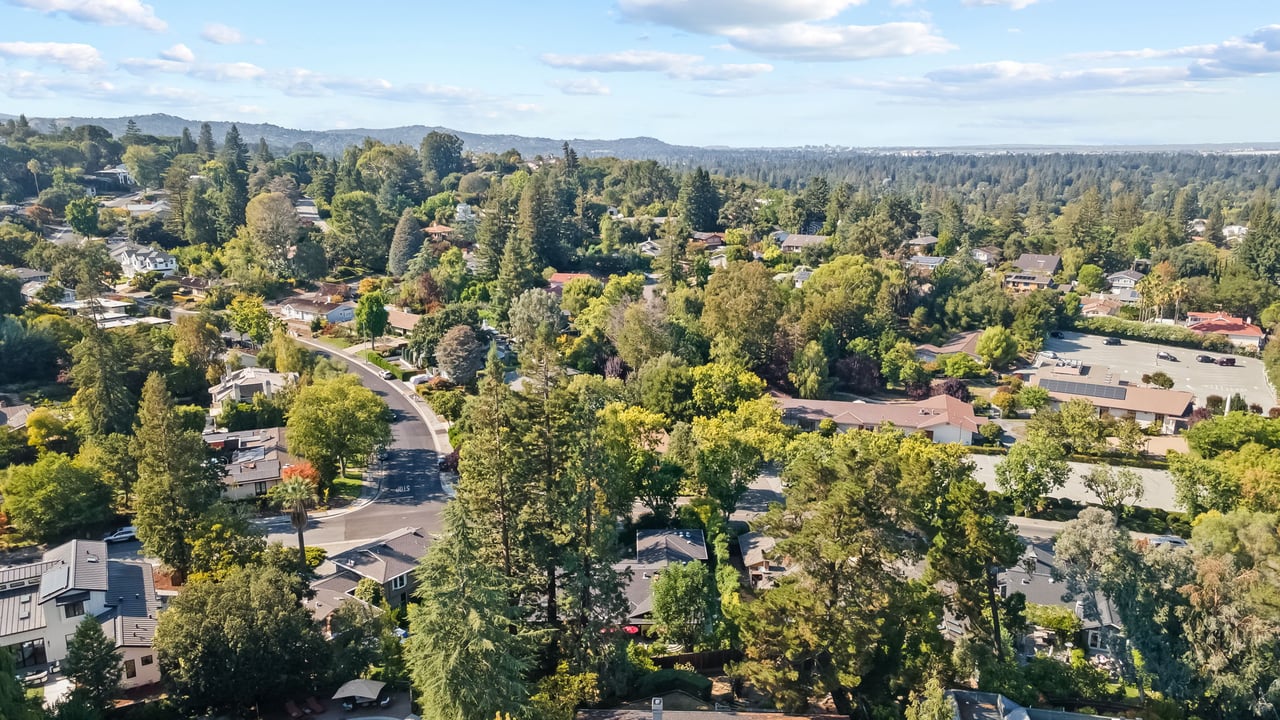
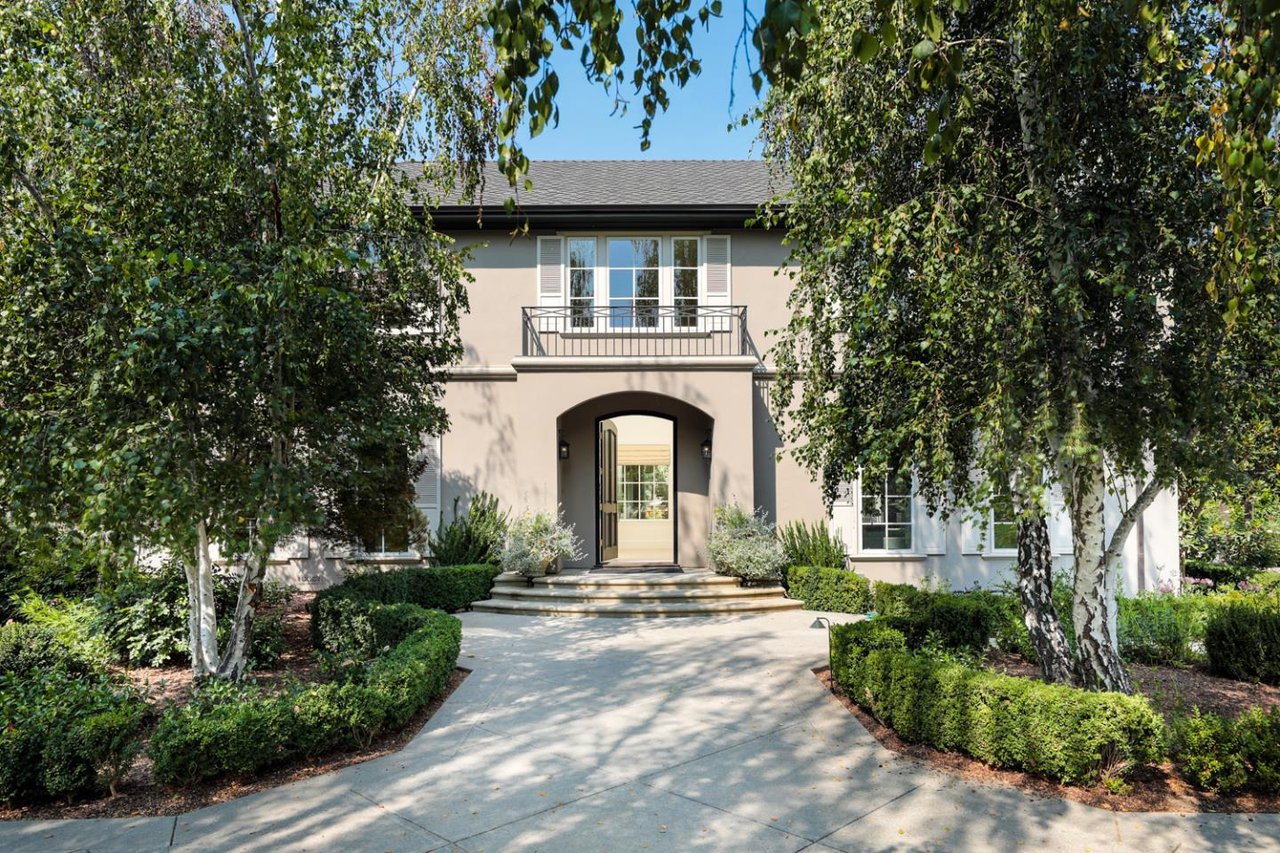
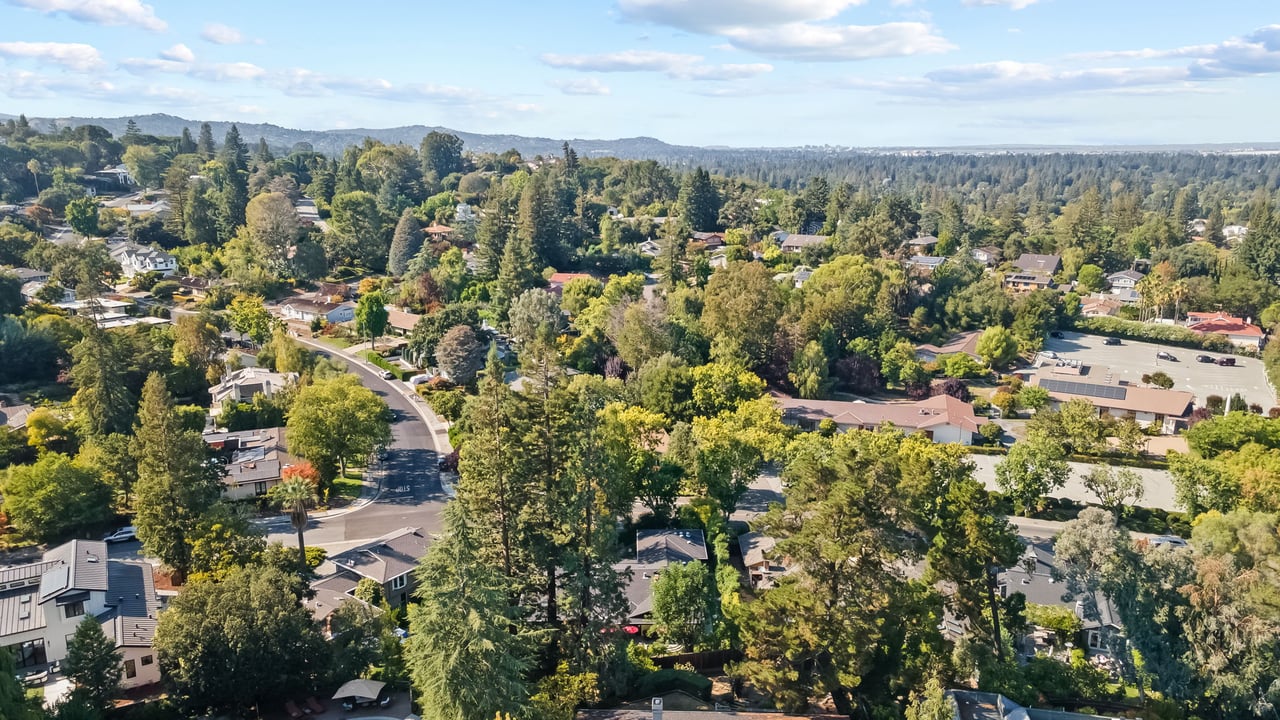
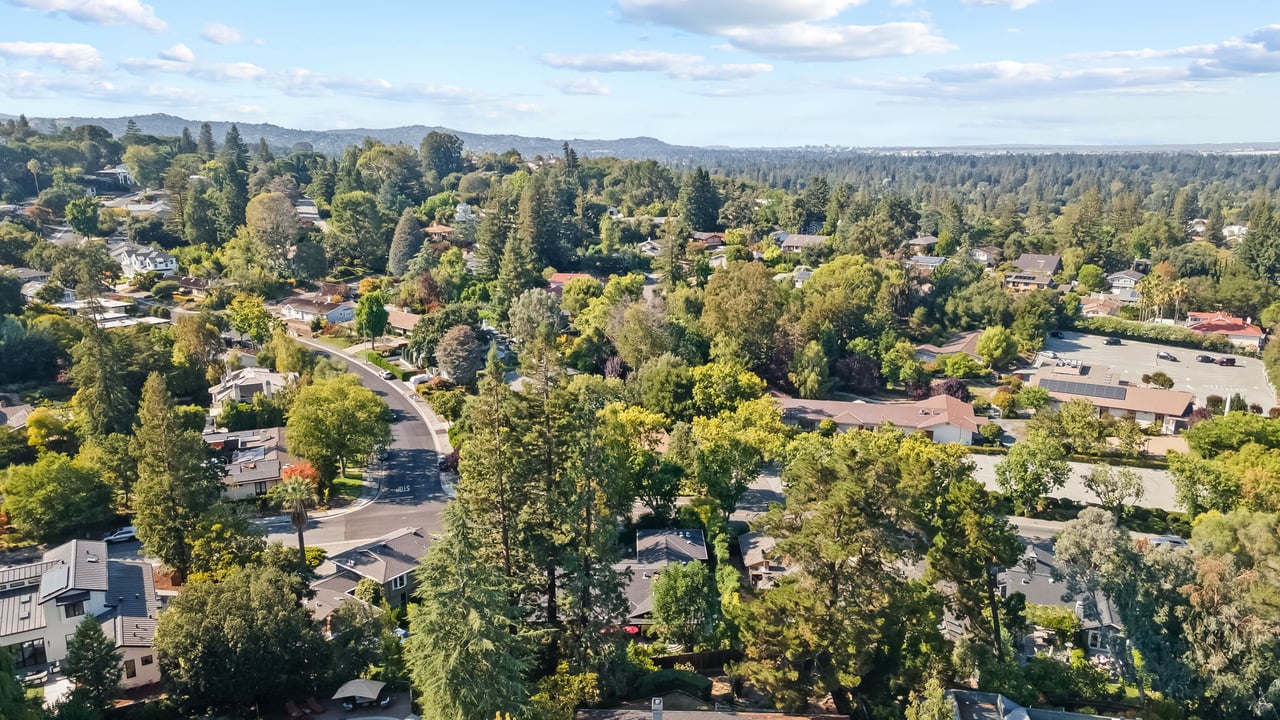
Living in Menlo Park offers a combination that’s increasingly difficult to find in Silicon Valley: a residential, community-oriented environment with immediate access to the region’s top employers.
For buyers, it’s often a balance of schools, location, and long-term value. For homeowners, it remains one of the most stable and competitive markets on the Peninsula, driven by limited inventory and consistent demand.
This guide breaks down what living in Menlo Park actually looks like, from neighborhoods and schools to lifestyle and current market conditions, so you can make informed decisions whether you’re buying, selling, or simply exploring the area.
Menlo Park Neighborhoods Explained (What Buyers Should Know)
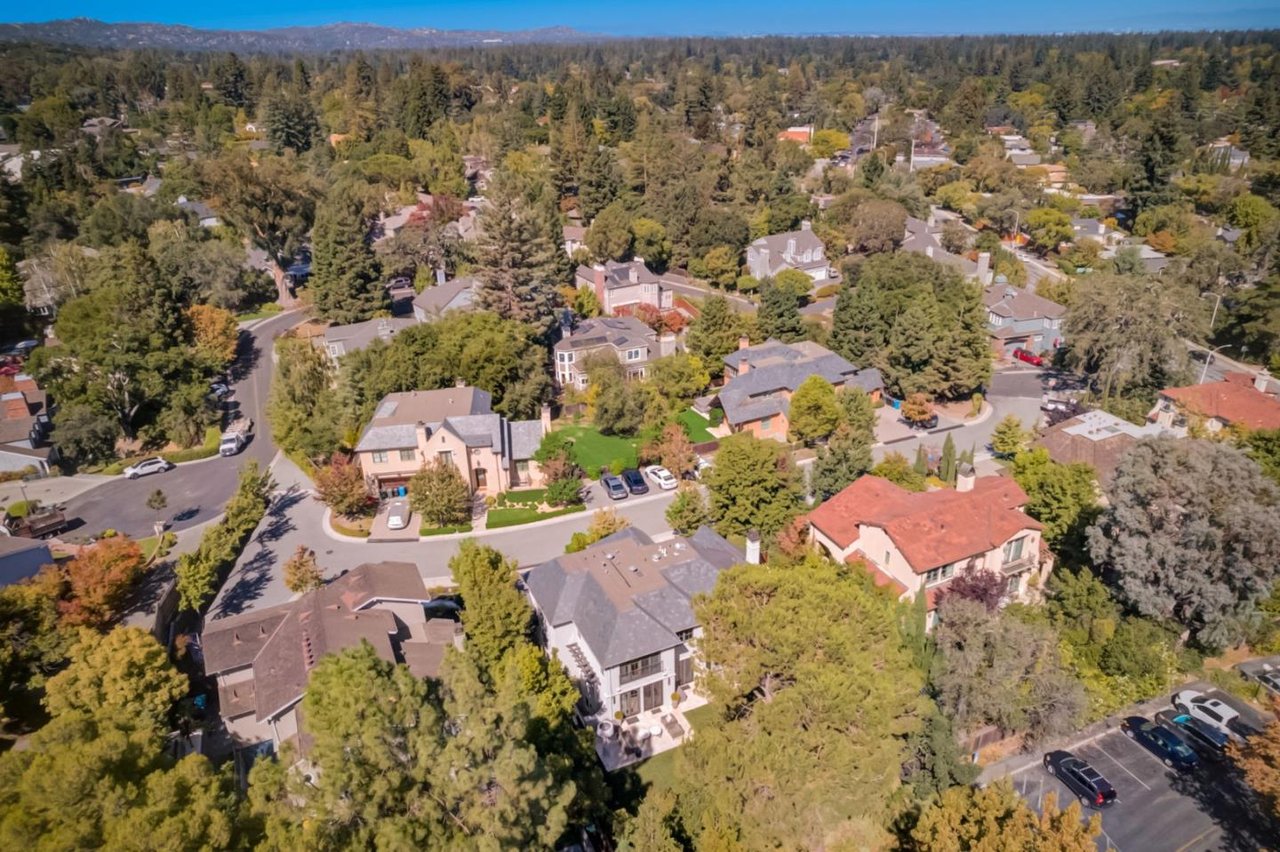
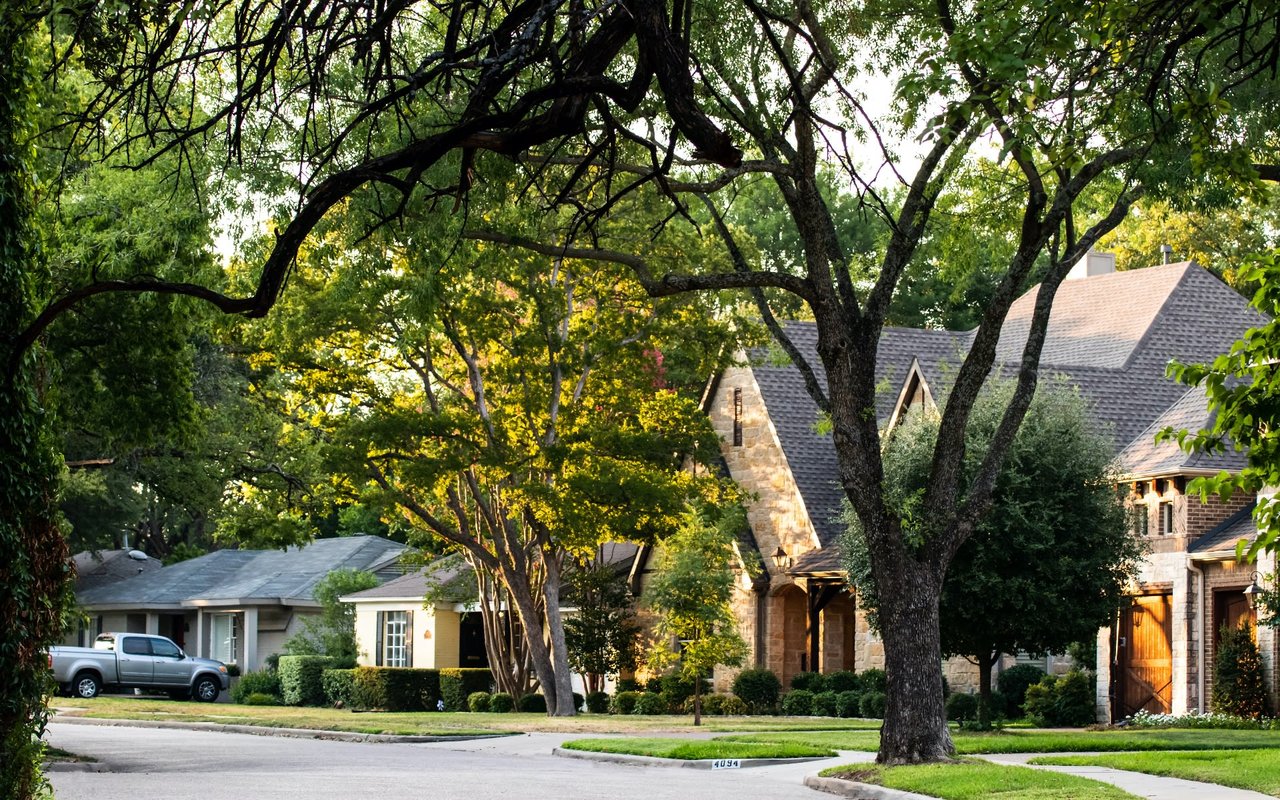
One of the biggest factors influencing home values in Menlo Park is micro-neighborhood selection. While the city itself feels cohesive, each neighborhood offers a distinct combination of location, housing style, school access, and long-term investment profile.
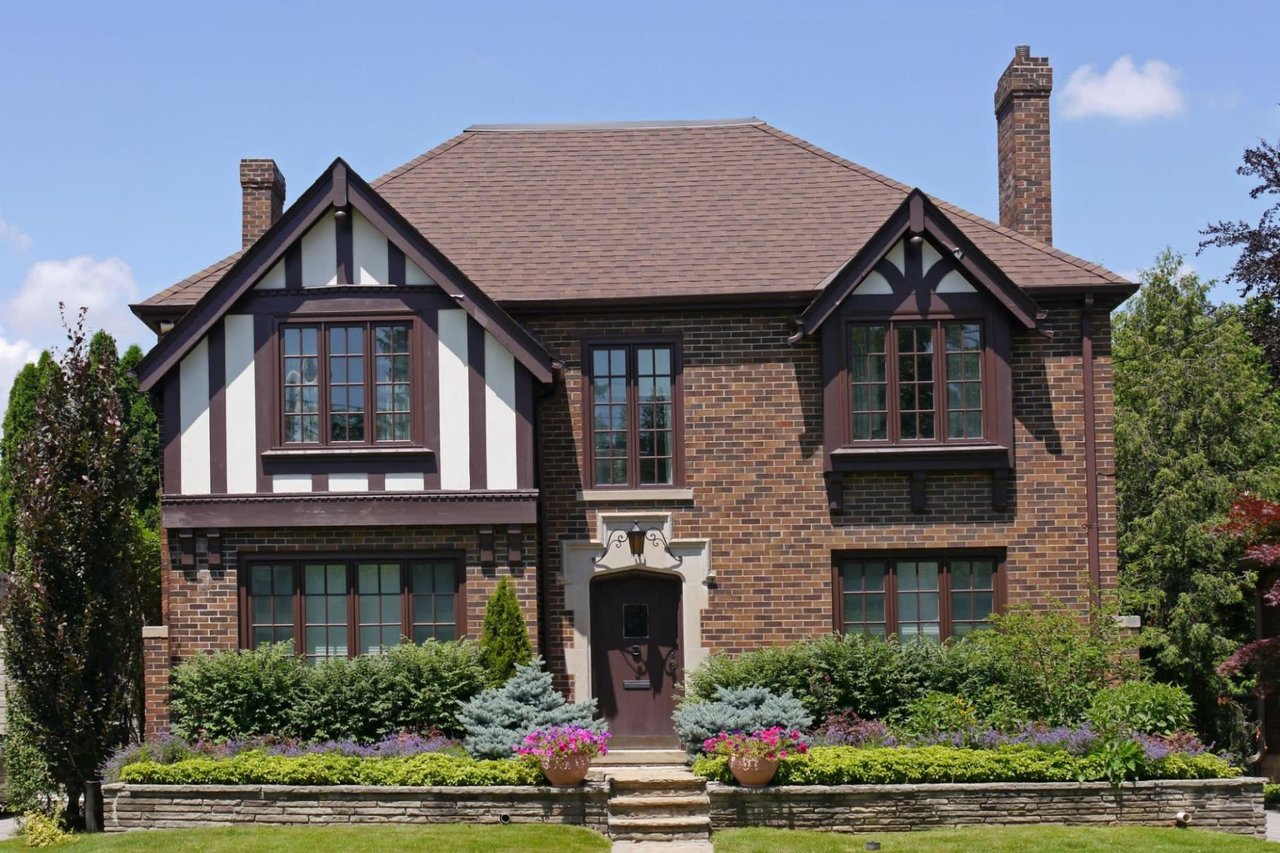
Allied Arts is one of the most sought-after pockets for buyers who value walkability and charm. Located near downtown Palo Alto, it’s known for character homes and a highly convenient lifestyle. Inventory here tends to be limited, and well-presented homes often attract strong competition.
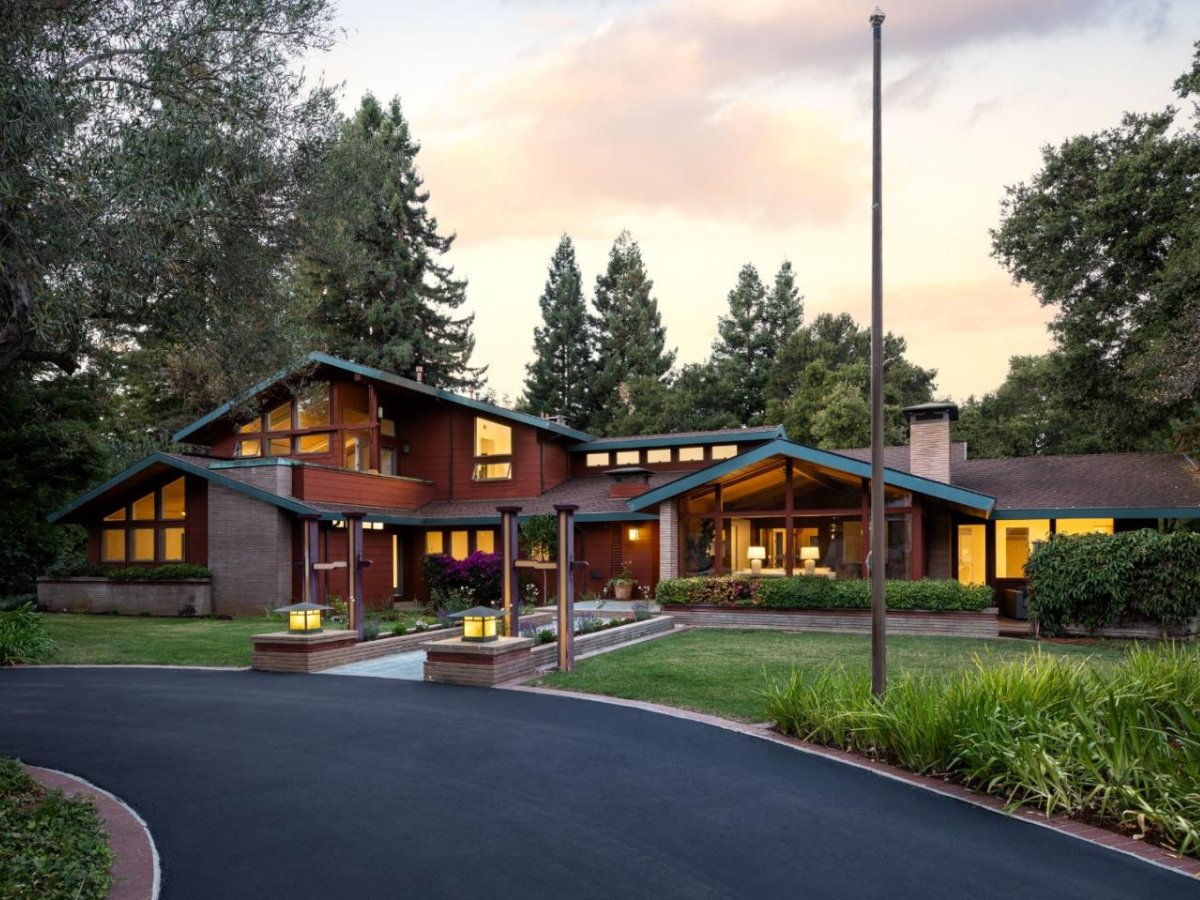
In contrast, Sharon Heights offers a more private, residential setting with larger homes and hillside surroundings. It tends to appeal to luxury buyers looking for space, quiet, and a more tucked-away feel while still remaining close to key commuter routes.
The Willows is often considered one of the more approachable entry points into Menlo Park, particularly for younger buyers and families. The neighborhood has a strong sense of community and a more relaxed, neighborhood-oriented atmosphere, which continues to support steady demand.
Areas like Central Menlo and West Menlo Park are consistently among the most competitive due to their proximity to top-performing schools. Buyers focused on long-term value and school access often prioritize these neighborhoods, which helps drive both pricing and resale strength over time.
👉 For a more detailed breakdown of each area, visit the full neighborhood guide:
https://danacarmelgroup.com/neighborhoods/menlo-park
Proximity to Top Employers and Everyday Convenience
One of the defining advantages of living in Menlo Park is its immediate proximity to Silicon Valley’s most influential employers and business centers, a factor that continues to drive both buyer demand and long-term property value.
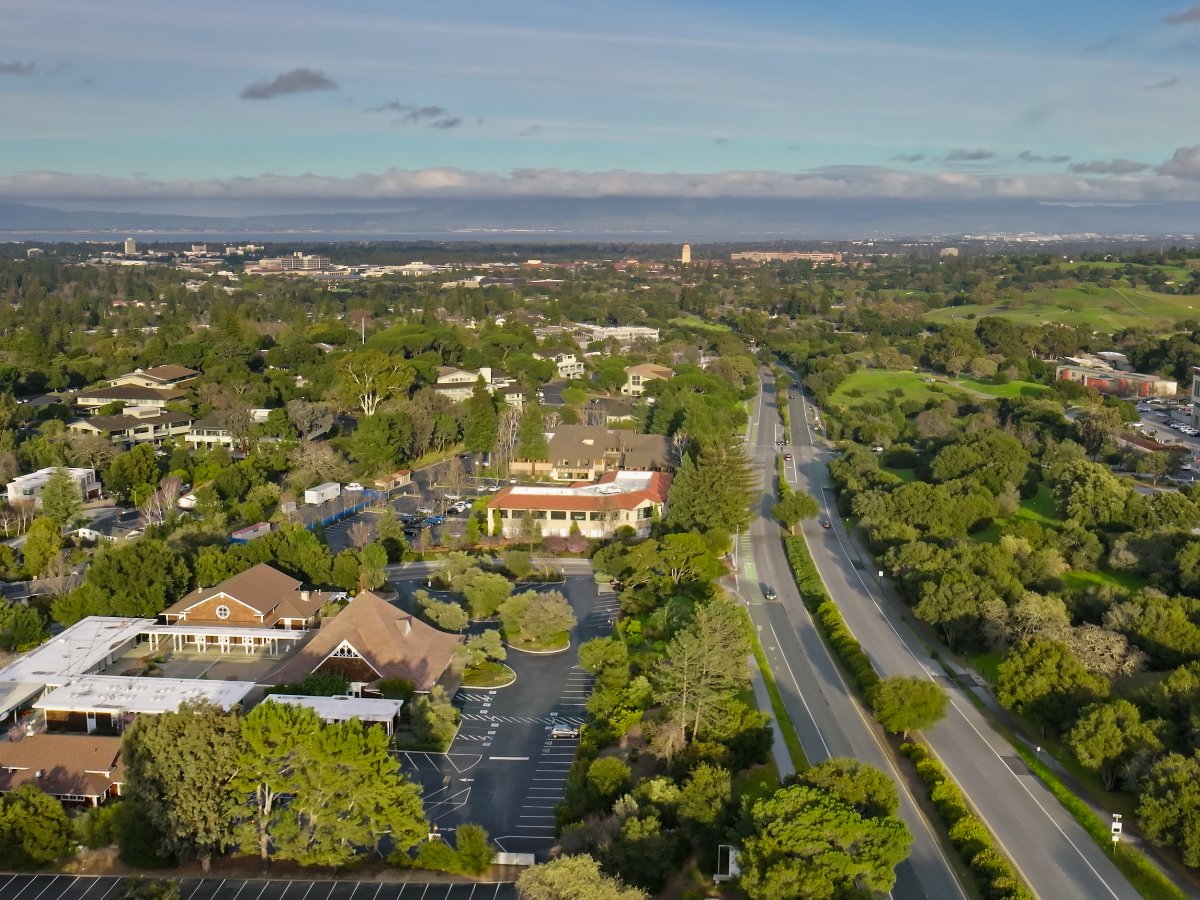
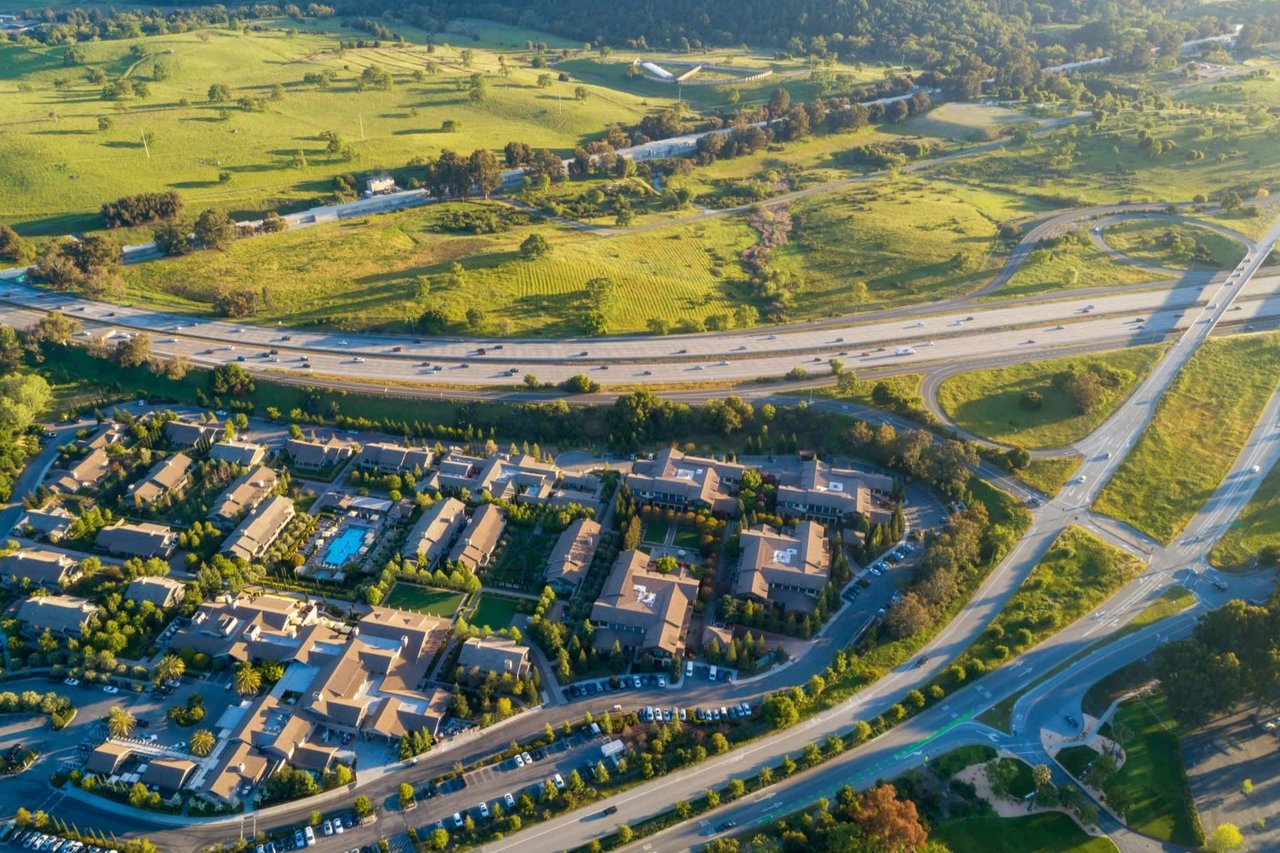
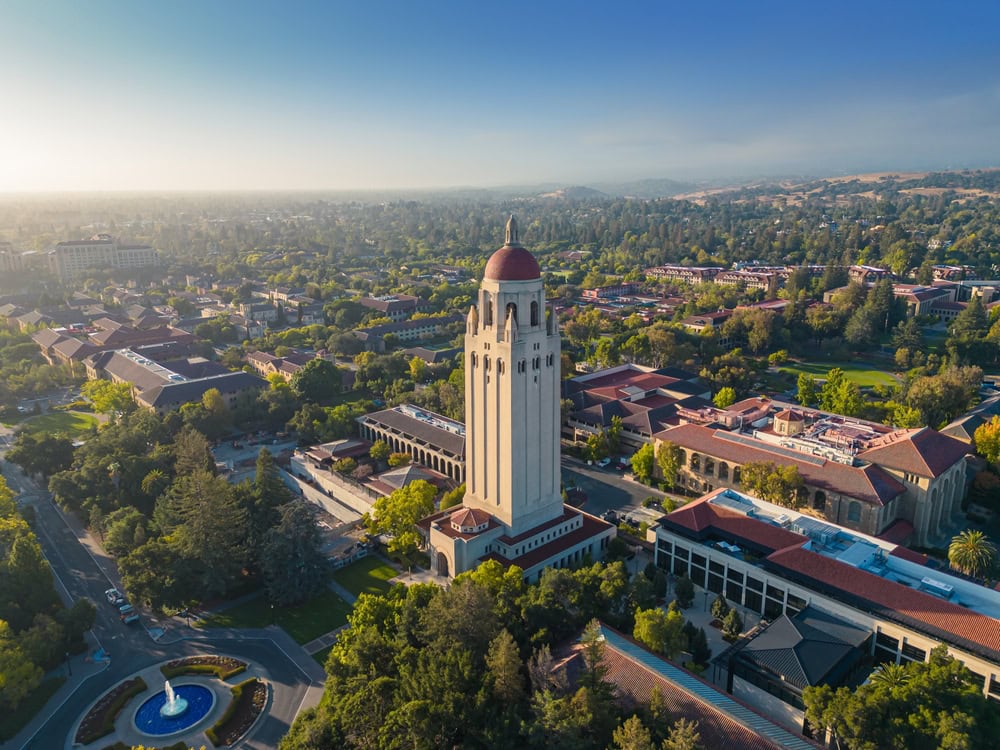
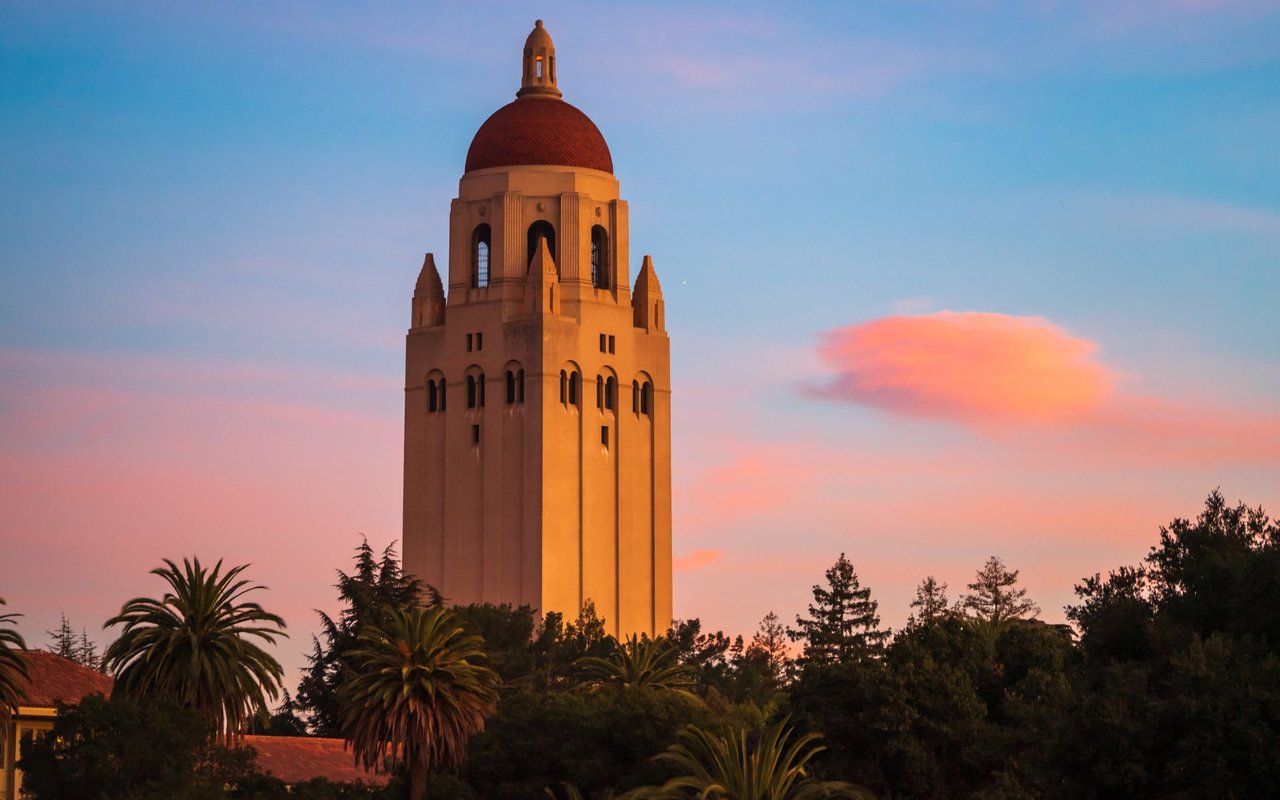
Menlo Park sits at the center of the Peninsula’s innovation corridor, with major hubs like Meta, Stanford University, and Sand Hill Road all just minutes away. For many professionals, this translates to a significantly easier daily routine, whether that means a short commute, the ability to come home midday, or simply less time spent in traffic compared to other parts of the Bay Area.
Beyond convenience, this proximity also shapes the buyer profile. Many of the purchasers in Menlo Park are executives, founders, and professionals who prioritize both access and lifestyle, looking for a home environment that feels removed from work, without being far from it.
Just as important is the access to everyday amenities. Residents are within close reach of:
- Downtown Menlo Park for dining and coffee
- Stanford Shopping Center for high-end retail
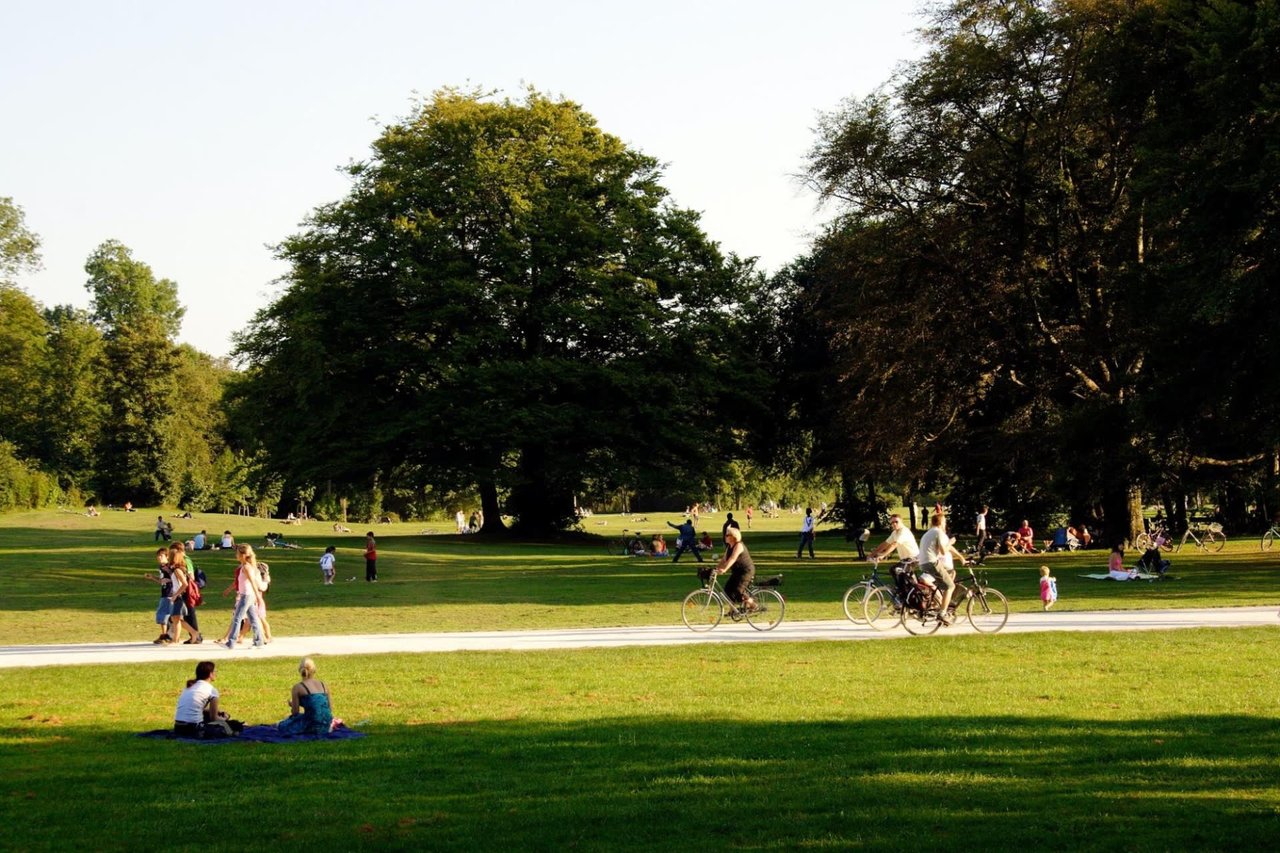
- Local parks, trails, and recreational spaces
The result is a lifestyle that feels both efficient and balanced, where work, home, and daily life are all closely connected without sacrificing privacy or neighborhood character.
From a real estate perspective, this combination of location and accessibility is one of the key reasons Menlo Park continues to see consistent demand, particularly among buyers relocating within Silicon Valley or moving from San Francisco.
Schools in Menlo Park
Primary School Districts in Menlo Park
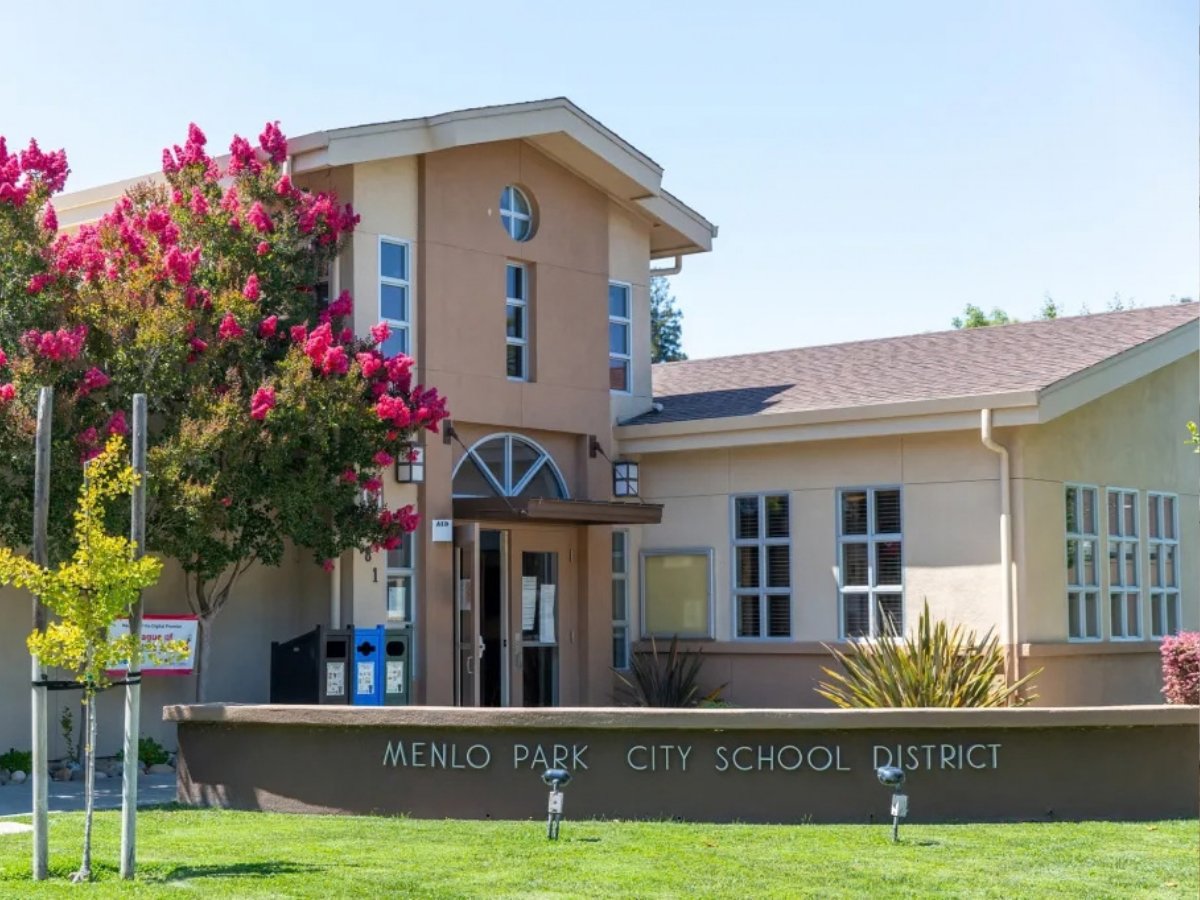
Menlo Park City School District (MPCSD)
Serves most central Menlo Park neighborhoods and is widely regarded as one of the strongest public school districts on the Peninsula.
Las Lomitas School District
Covers areas like West Menlo Park and is particularly sought after for its academic reputation and smaller school communities.
Sequoia Union High School District (SUHSD)
Includes Menlo-Atherton High School and other well-regarded high schools serving the broader Midpeninsula.
Neighborhoods Closely Tied to School Demand
Certain neighborhoods consistently see stronger demand due to their school alignment:
- Areas near top MPCSD schools in Central Menlo
- West Menlo Park neighborhoods within Las Lomitas
- Walkable pockets near elementary schools (a major premium for families)
What Buyers Should Know About Menlo Park School Boundaries
School assignments in Menlo Park can be nuanced, and small boundary differences can have a meaningful impact.
Key considerations:
- Boundaries don’t always align with neighborhood names
- Enrollment policies and availability can change over time
- Walkability to schools is often as important as district ranking
For many buyers, understanding these details early helps avoid costly surprises and ensures they’re targeting the right areas.
A Local Perspective
After working with many families relocating to Menlo Park, one pattern is consistent:
buyers who take the time to understand school boundaries upfront tend to make more confident, and ultimately more successful decisions.
Whether you're prioritizing a specific district, looking for walkability, or balancing schools with home style and budget, having a clear strategy around schools is a key part of navigating this market.
Menlo Park Real Estate Market Trends (2026)
The Menlo Park real estate market continues to be defined by limited inventory and steady buyer demand, particularly in neighborhoods with strong schools and central locations.
Home values have remained stable, supported by proximity to major employers and a consistent base of high-income buyers. Well-prepared homes that are priced correctly tend to attract early interest and, in many cases, multiple offers, while homes that miss the mark on pricing or condition may take longer to sell.
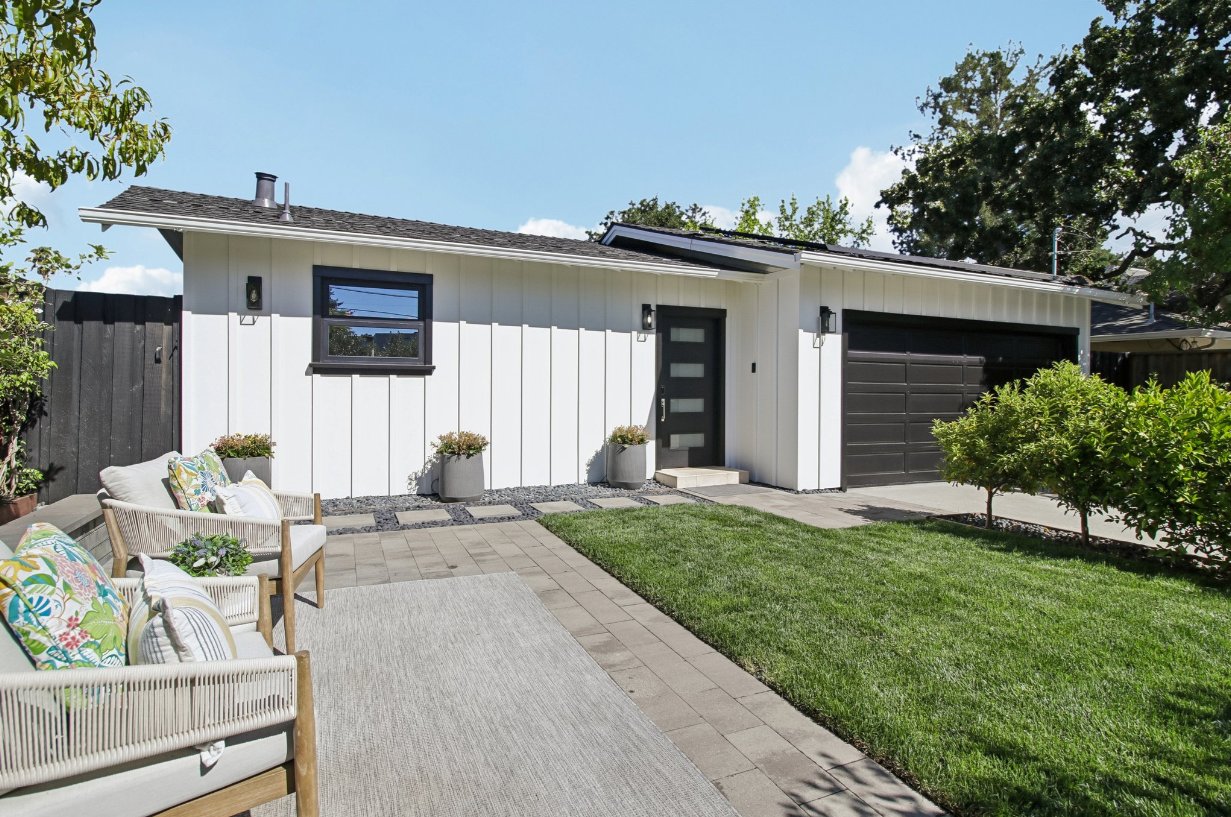
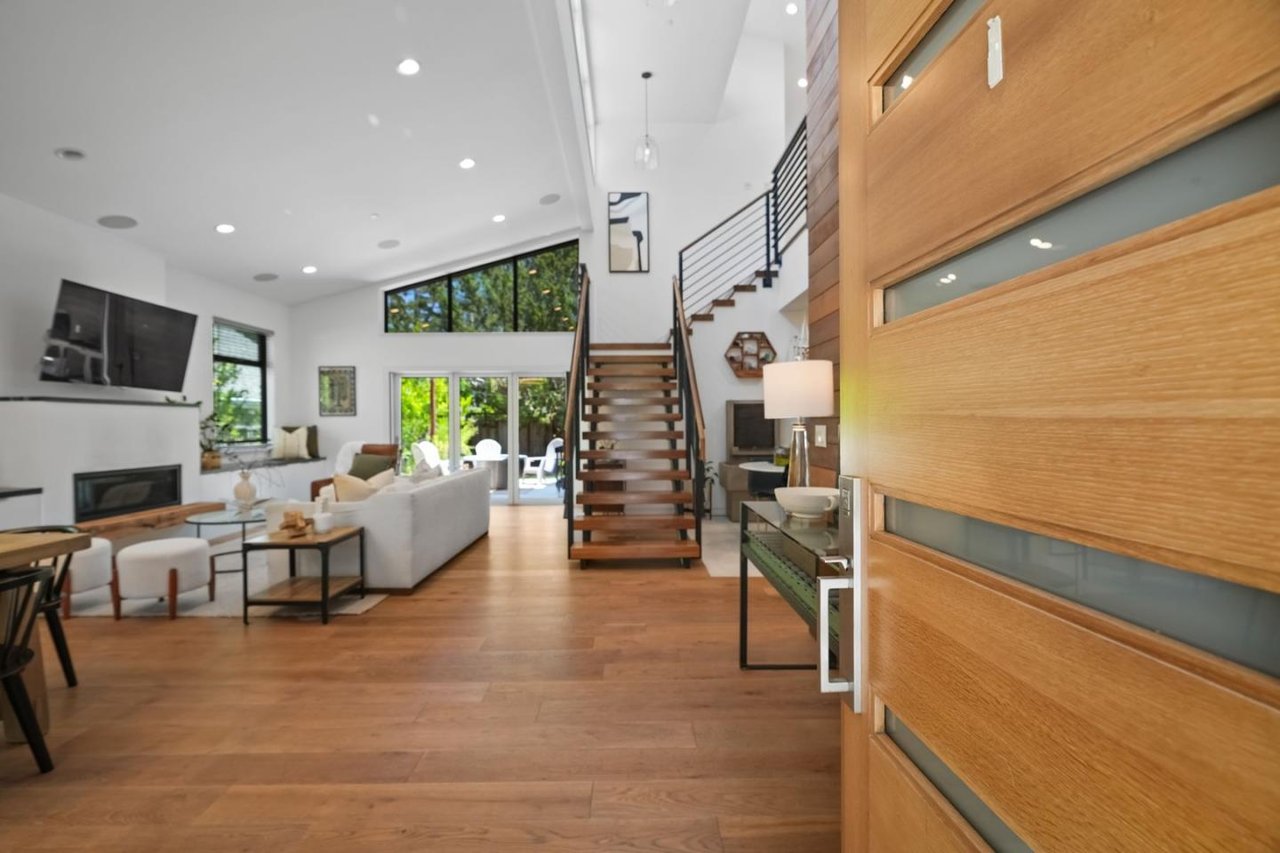
Buyers today are more selective, often prioritizing move-in ready homes, functional layouts, and access to schools and commute routes. At the higher end of the market, off-market transactions remain common, where privacy is often a priority.
For sellers, preparation and pricing make a meaningful difference. For buyers, understanding neighborhood-level trends and acting decisively remains key.
Selling a Home in Menlo Park: What You Need to Know
Selling a home in Menlo Park requires a thoughtful approach. While demand remains strong, outcomes can vary significantly based on pricing, preparation, and how a property is positioned in the market.
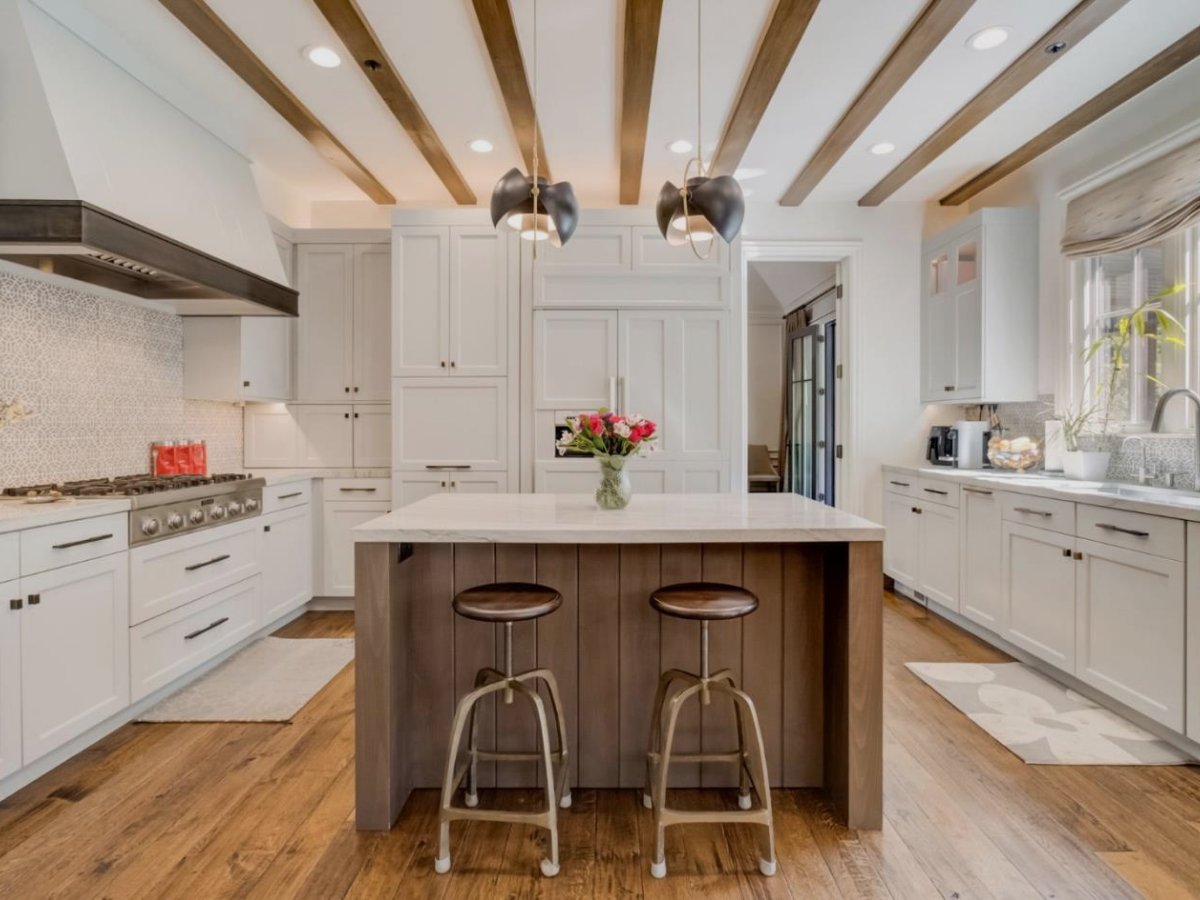
Homes that are well-prepared and strategically priced tend to generate the most interest, often within the first few weeks. In many cases, this includes targeted updates, professional presentation, and a clear understanding of how the home compares within its specific neighborhood.
Buyer expectations have also evolved. Today’s buyers are more selective, with a strong preference for move-in ready homes, functional layouts, and properties that align with school boundaries and commute patterns. Homes that meet these expectations are more likely to attract competitive offers, while those that do not may take longer to sell.
In higher price points, off-market and pre-market strategies can also play a role, particularly when privacy or timing is a consideration.
For sellers, the key is understanding how your home fits within the current market and developing a strategy that reflects both timing and long-term goals.
👉 Get a personalized home value
The Menlo Park Lifestyle: More Than Just a Place to Live
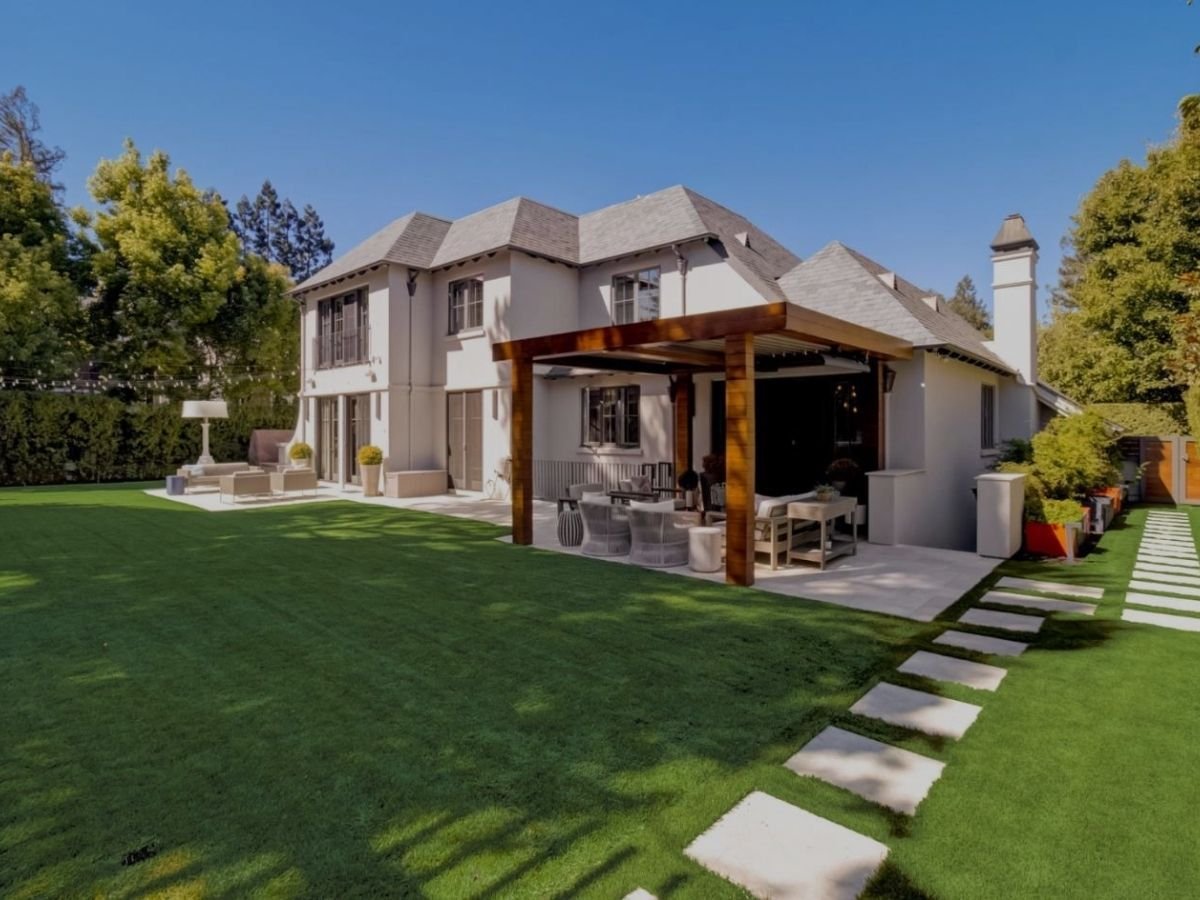
Living in Menlo Park means enjoying a lifestyle that combines the best of both worlds: the excitement of Silicon Valley and the tranquility of suburban living. Whether you're strolling through downtown, enjoying outdoor activities, or attending one of the many community events, there’s always something to do in Menlo Park. The sense of community, combined with the proximity to some of the world's top employers and amenities, makes this city a truly desirable place to call home.
If you're thinking about buying or selling a home in Menlo Park, I’m here to help. As a local real estate expert in Menlo Park, I can provide you with the guidance you need to make informed decisions and navigate the competitive market. Feel free to contact me for a market update for homes in Menlo Park or for more information about homes for sale in Menlo Park.
Frequently Asked Questions About Living in Menlo Park
Is Menlo Park expensive?
Yes. It is one of the more expensive housing markets in the U.S., with most single-family homes starting above $2.5M.
Is Menlo Park better than Palo Alto?
It depends. Menlo Park typically offers more space and a quieter feel, while Palo Alto is more walkable and urban.
What is the average home price in Menlo Park?
Prices vary by neighborhood, but most homes fall between $3M and $6M, with luxury properties exceeding $10M.
What are the best neighborhoods in Menlo Park?
Popular areas include Allied Arts, Sharon Heights, The Willows, and Central Menlo.
Is Menlo Park a good place to raise a family?
Yes. Strong schools, a community-oriented environment, and access to parks make it a top choice for families.
Is Menlo Park the Right Fit?
Menlo Park offers a rare balance of location, community, and long-term value. From its distinct neighborhoods to its school systems and proximity to Silicon Valley’s core, it continues to attract buyers who are thinking not just about where they live, but how they live.
Whether you're evaluating a move, comparing neighborhoods, or preparing to sell, understanding the nuances of this market can make a meaningful difference in the outcome.
If you’re considering buying or selling in Menlo Park, I’m happy to provide a tailored perspective based on your goals, timeline, and the specific neighborhood you’re focused on.
👉 Request a personalized home valuation
👉 Or explore current homes for sale in Menlo Park