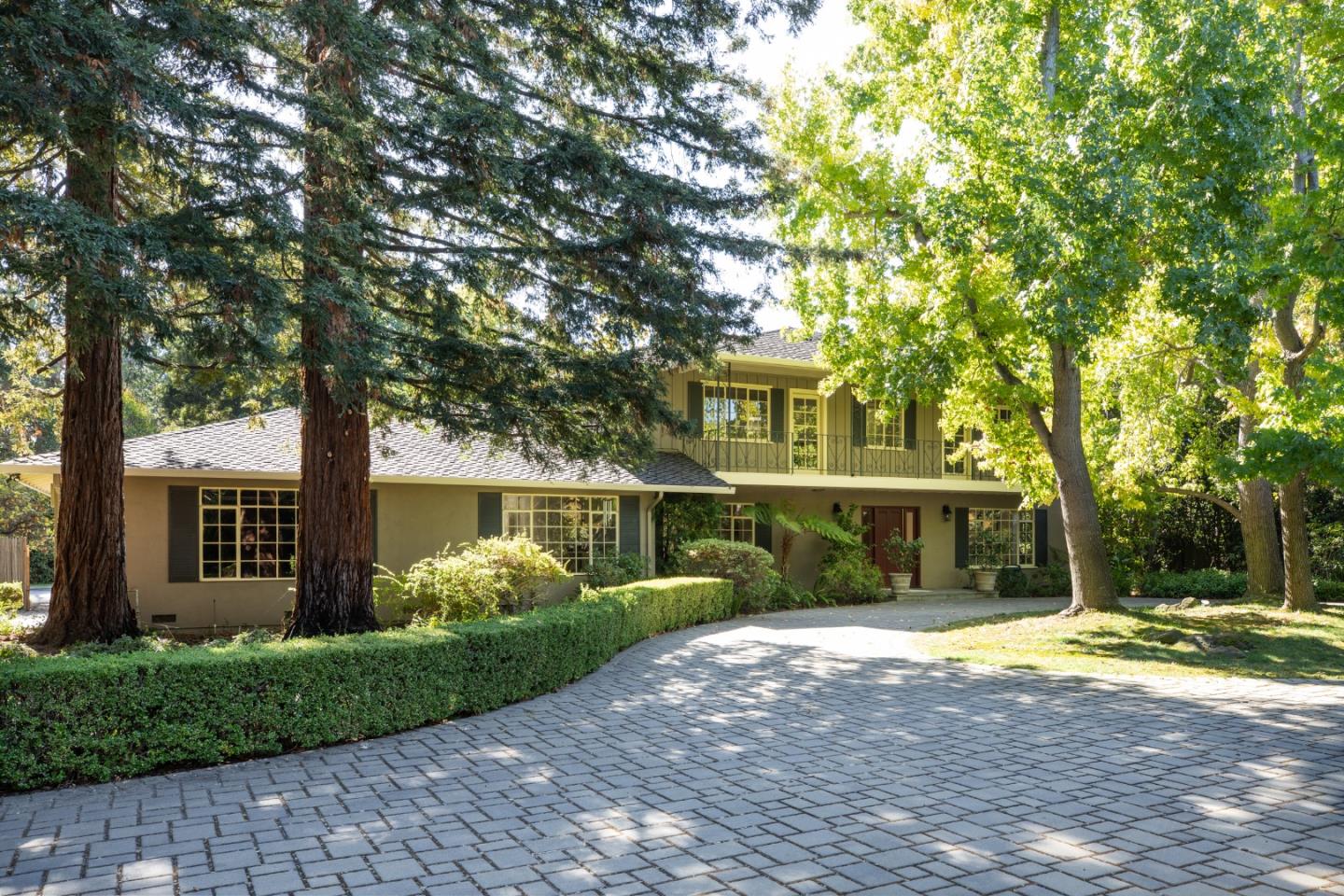
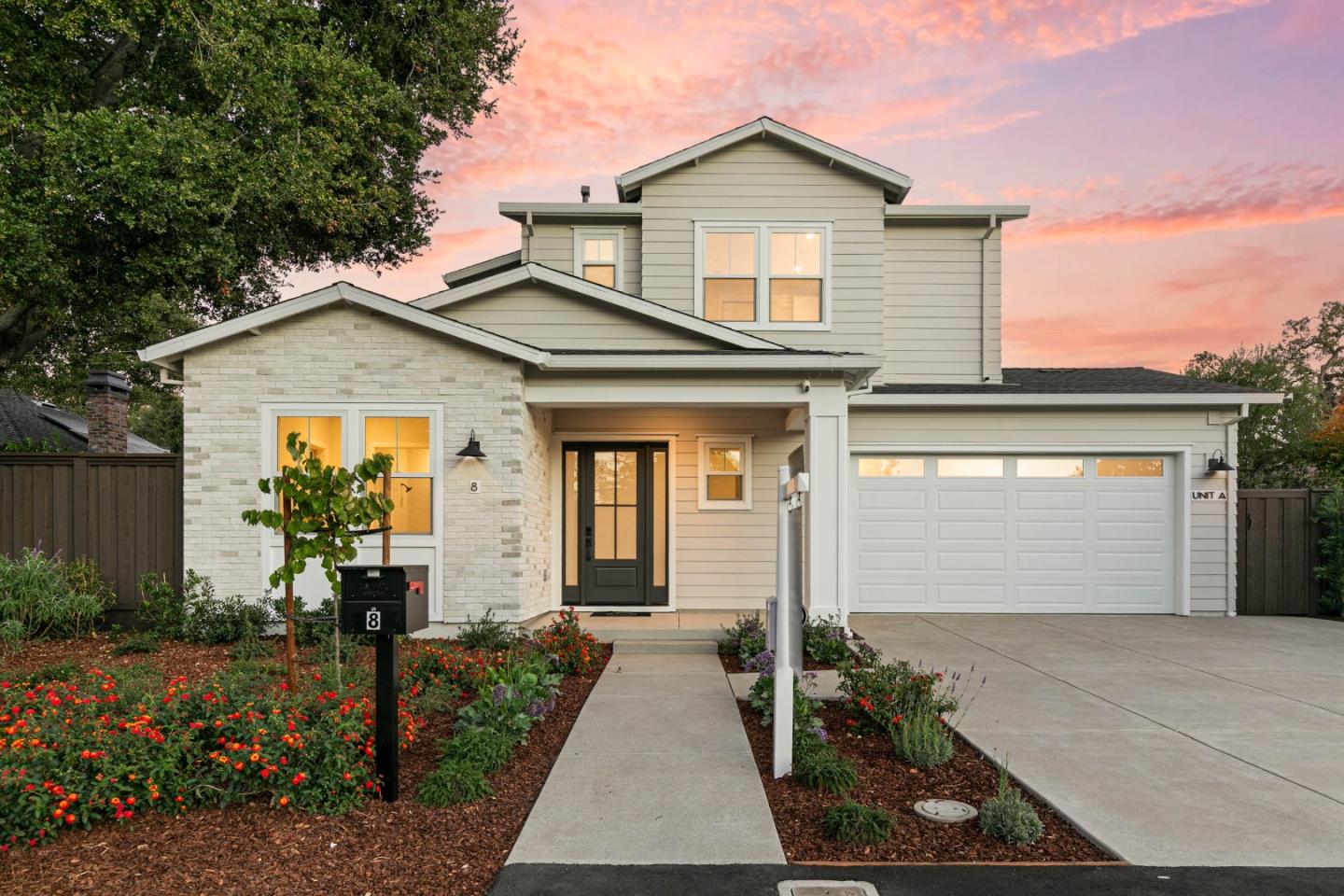
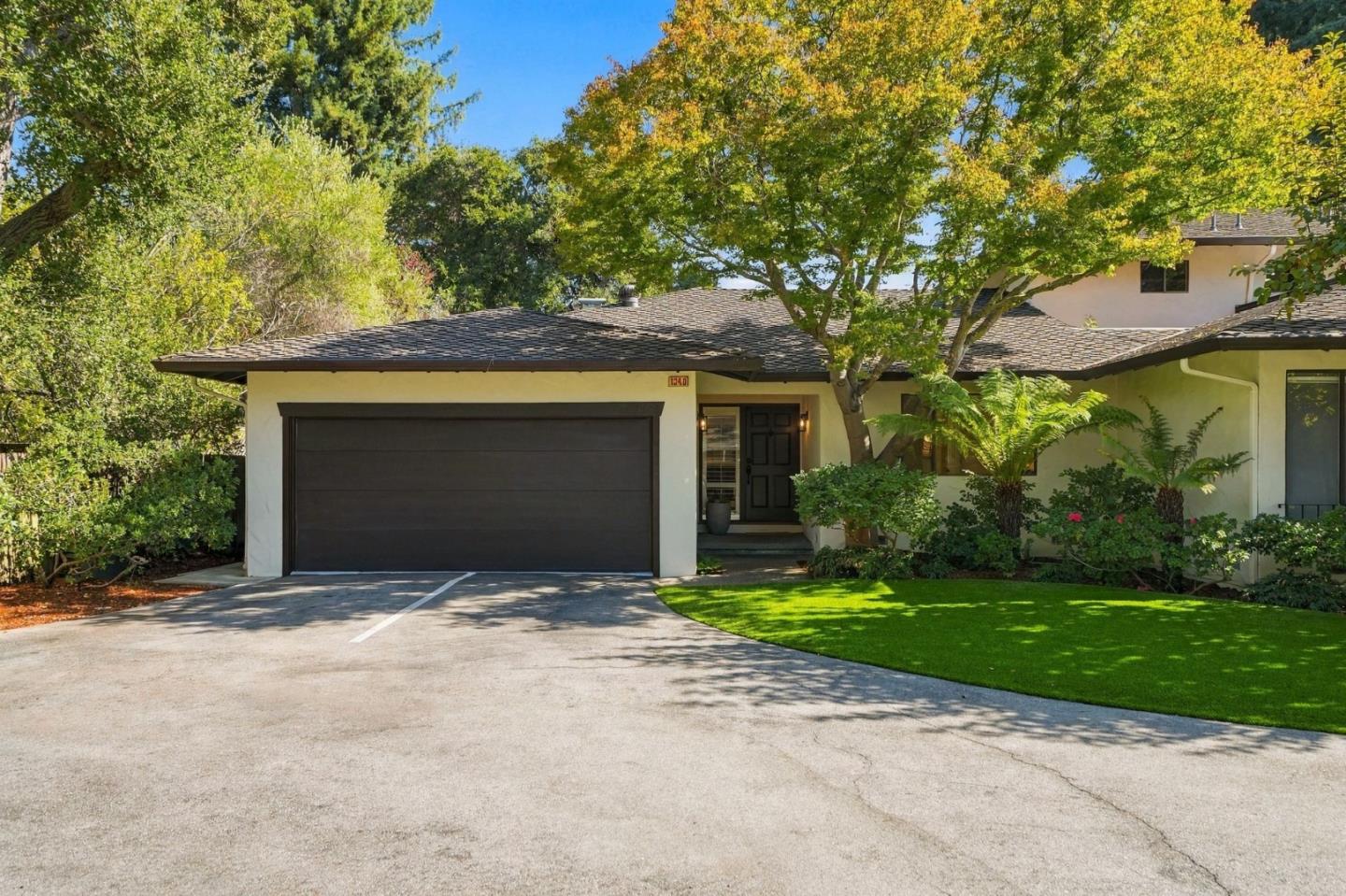
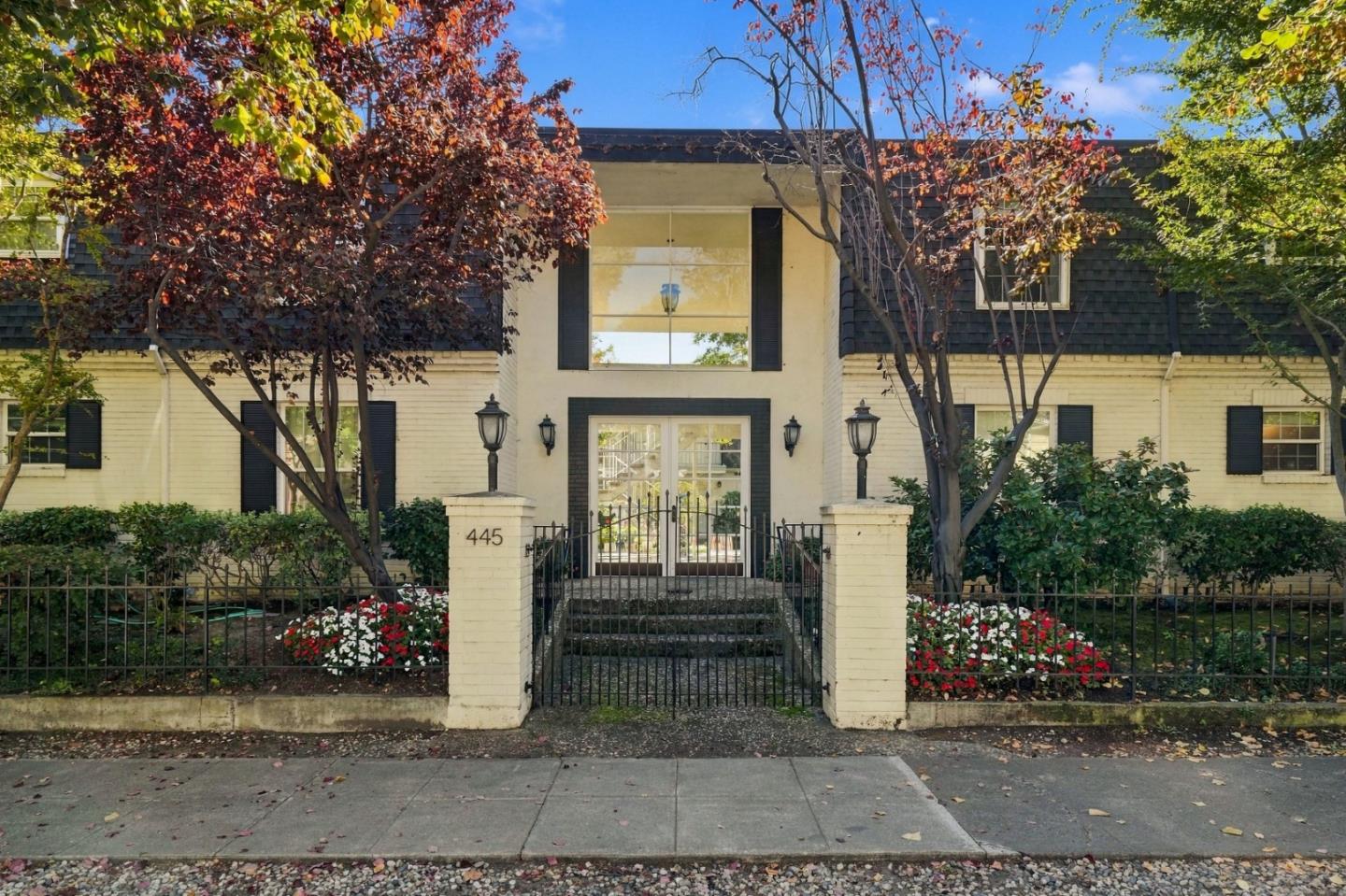
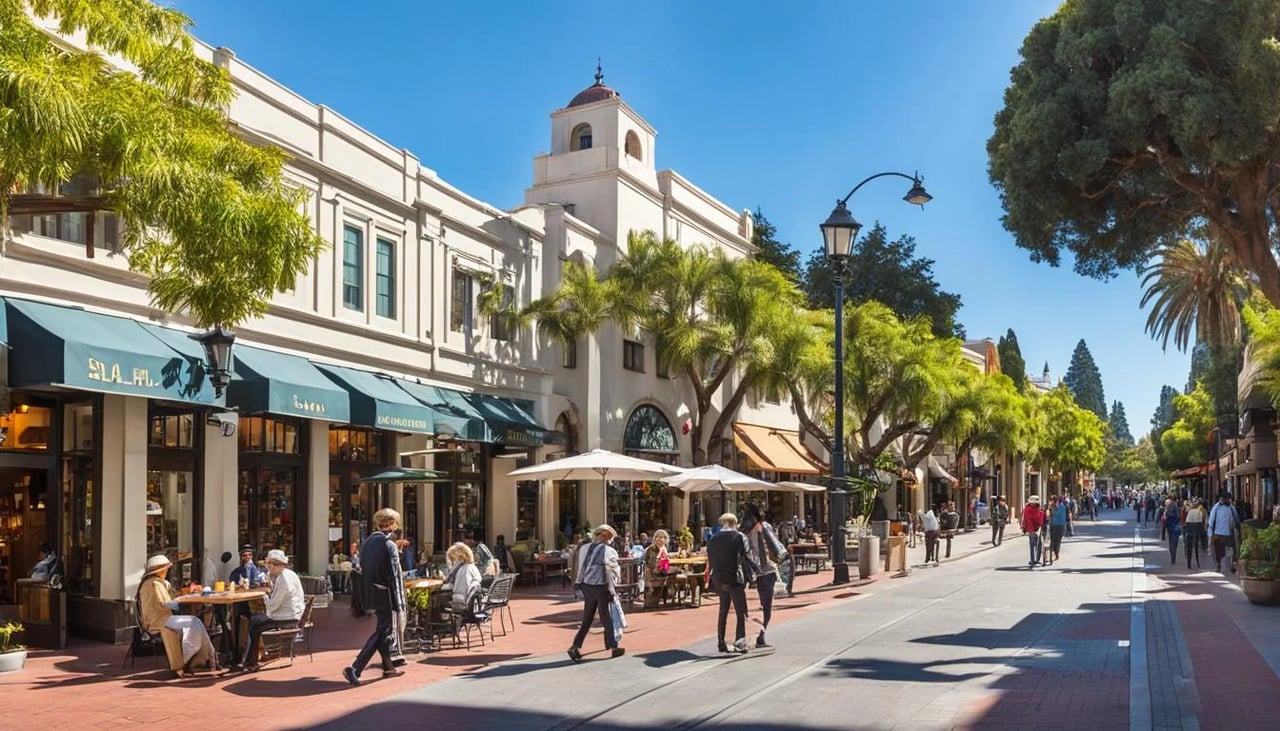
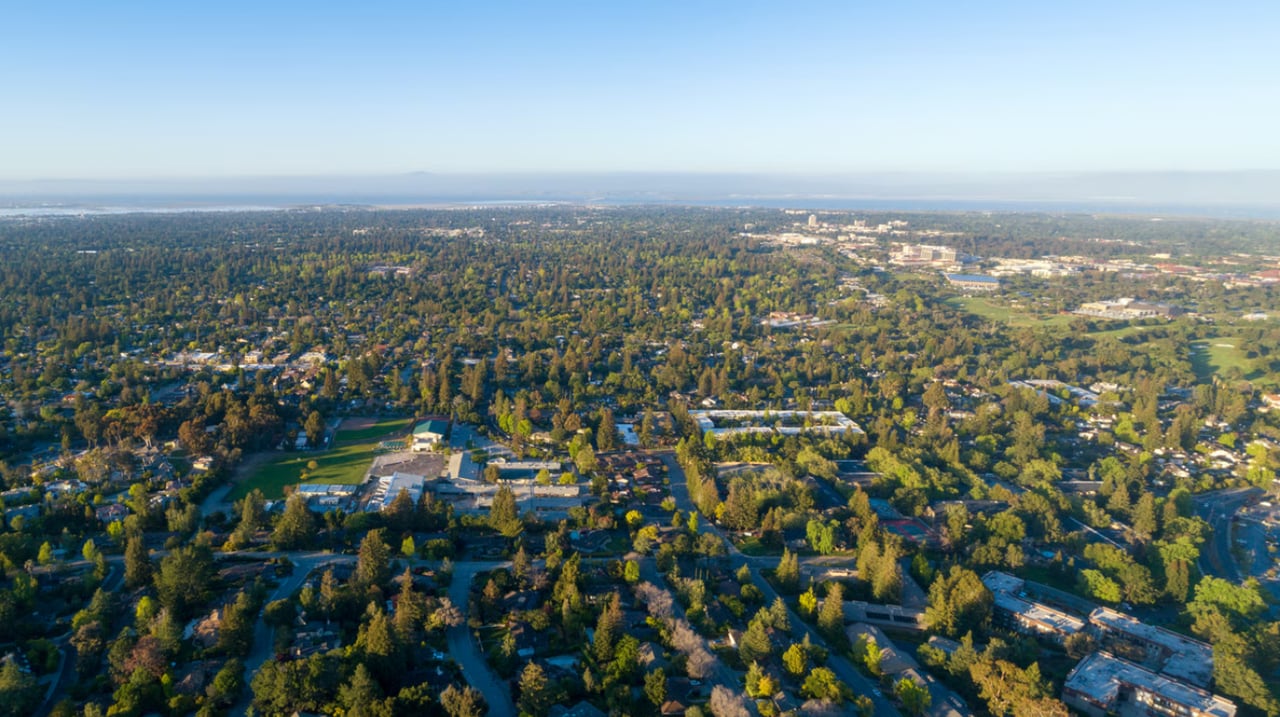
Central Menlo is an established residential neighborhood southwest of downtown Menlo Park and Allied Arts. The area includes older ranch-style homes, extensively remodeled properties, and newer construction, with convenient access to downtown Menlo Park, Stanford University, Palo Alto, and Sand Hill Road.
Homes can vary considerably by street, lot, condition, and renovation history. These property-level differences are important when comparing homes or determining value in Central Menlo.
The City of Menlo Park generally defines Central Menlo as the residential area southwest of Downtown Menlo Park and Allied Arts, extending toward San Francisquito Creek and Valparaiso Avenue.
Neighborhood boundaries used in real estate searches are not always identical to official planning boundaries, so buyers should confirm the location and school assignment of a specific property rather than relying solely on the neighborhood name. You can also view the City of Menlo Park's neighborhood map for a broader look at the area.
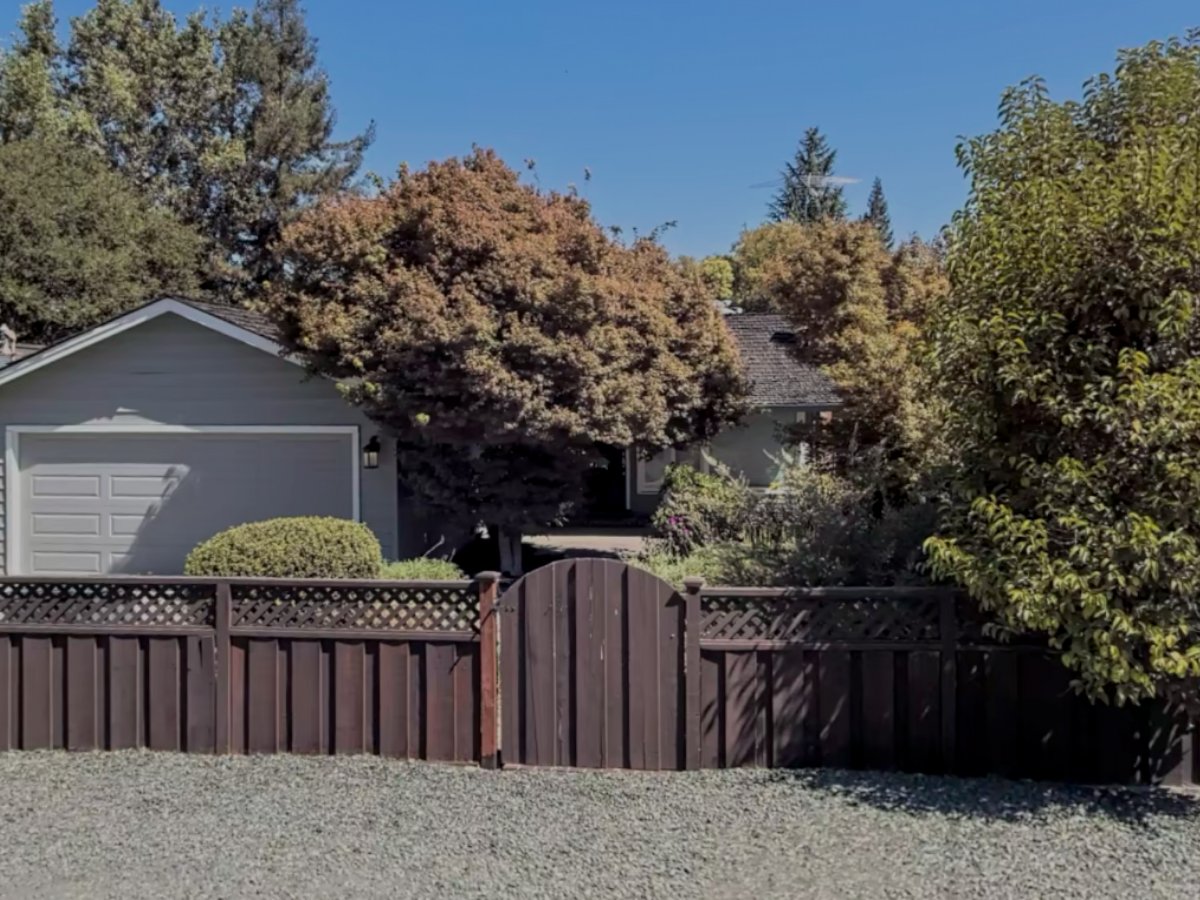
Central Menlo is one of Menlo Park's more established residential areas. Much of the neighborhood was developed by the mid-1950s, and one- and two-story ranch-style homes remain part of its housing stock.
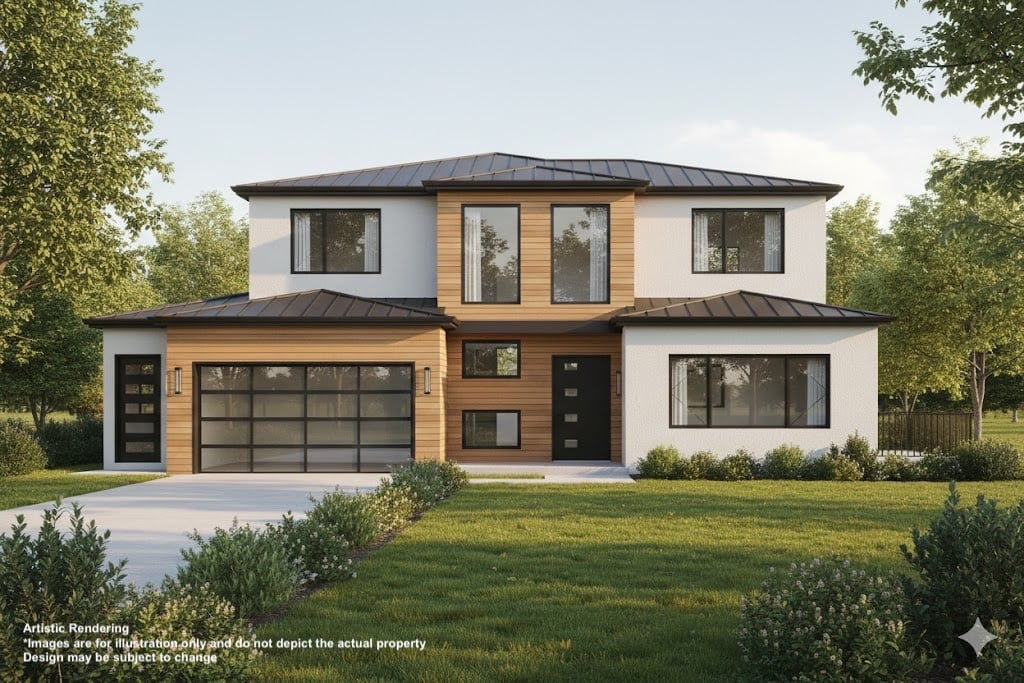
Over time, many properties have been remodeled or replaced with larger custom homes. Lot size, usable land, home condition, street location, privacy, and future renovation potential can all affect how one property compares with another.
This mix of older homes and newer construction is also why square footage alone provides an incomplete picture of Central Menlo home values. In my experience, understanding what drives home value in Menlo Park requires looking beyond square footage. I explore how factors like lot characteristics, street location, and buyer preferences influence a property's value in my article, What Actually Determines Home Value in Menlo Park.
Older homes in Central Menlo can attract interest from buyers planning substantial renovations or new construction, particularly when the underlying lot and location are strong.
Before assuming a property should be remodeled or rebuilt, it is important to review the lot dimensions, zoning, setbacks, protected trees, existing improvements, permit history, and buildable area. Two homes with similar existing square footage can have very different redevelopment potential. When I help homeowners evaluate whether to remodel or rebuild, I look beyond the existing home to understand the lot, location, and potential opportunities. I share more about how builders evaluate properties in my blog article, How Builders Evaluate Teardown Homes in Menlo Park.
For homeowners considering selling an older property, understanding both traditional buyer demand and potential builder interest can also help determine whether major improvements are worthwhile before going to market.
Many Central Menlo addresses are within the Menlo Park City School District and are commonly associated with Oak Knoll Elementary and Hillview Middle School.
Elementary assignments should be verified through the district's School Locator for the specific home address. All students in grades 6-8 within the Menlo Park City School District attend Hillview Middle School.
High school assignment is determined separately by the Sequoia Union High School District based on the property address, so buyers should verify current enrollment information directly with the appropriate district.
Central Menlo's location provides access to both residential streets and downtown Menlo Park. Properties closer to Santa Cruz Avenue are nearer to downtown restaurants, shops, services, and the Menlo Park Caltrain station, while other parts of the neighborhood have a more residential setting.
Jack W. Lyle Park on Middle Avenue and Fremont Street includes a playground, basketball court, multi-use field, picnic areas, and walking paths. Nealon Park and smaller neighborhood parks are also nearby.
Walkability varies by street, so buyers should consider the exact property's distance from downtown, schools, parks, and transportation rather than applying one walkability description to the entire neighborhood.
Buyers should compare more than home size and finishes when evaluating Central Menlo properties.
Lot characteristics, school assignment, renovation history, permits, street location, and future expansion or redevelopment potential can all affect value. These details become particularly important when comparing an older home with a remodeled property or newer construction.
Buyers planning significant renovations should also investigate development constraints before making an offer rather than assuming every lot offers the same flexibility.
Preparation should reflect both the property's current condition and the buyers most likely to value it.
A remodeled or well-maintained home may benefit from targeted preparation and staging before a public launch. An older home on a strong lot may also attract buyers or builders interested in renovation or redevelopment.
Before investing heavily in improvements, it is worth comparing the potential return from preparation against the property's existing land value and buyer demand. If you are considering selling a home in Central Menlo, my Client Success Stories offer examples of how our team has helped homeowners navigate different real estate decisions.
Central Menlo is southwest of downtown Menlo Park and Allied Arts. The neighborhood extends toward Valparaiso Avenue and San Francisquito Creek, although real estate and official planning boundaries may differ slightly.
No. Central Menlo is primarily residential and sits next to the downtown area. Homes closer to Santa Cruz Avenue have convenient access to downtown shopping, dining, services, and Caltrain.
Central Menlo includes older ranch-style homes, remodeled properties, and newer custom construction. Home size, architecture, lot size, and renovation history vary throughout the neighborhood.
Many Central Menlo addresses are within the Menlo Park City School District and are commonly associated with Oak Knoll Elementary and Hillview Middle School. Buyers should verify elementary and high school assignments for the individual property address.
Walkability varies depending on the property's location. Homes closer to downtown have easier access to Santa Cruz Avenue, restaurants, shops, and Caltrain, while other parts of Central Menlo are more residential.
Lot size and usability, street location, school assignment, home condition, renovations, privacy, and redevelopment potential can all influence value. Comparable homes should be evaluated at the property and micro-location level rather than by square footage alone.
Some are, but redevelopment potential varies by property. Zoning, setbacks, lot dimensions, protected trees, existing improvements, and construction costs should be evaluated before assuming a major remodel or rebuild is feasible.
Not automatically. Some homes benefit from targeted preparation, while others may already have substantial value to buyers interested in renovating or rebuilding. Evaluating the likely buyer pool and expected return before beginning major work can help avoid unnecessary spending.
Central Menlo homes can differ substantially by lot, condition, street location, and future potential. If you are considering buying, selling, renovating, or evaluating your property's current value, my team and I can help you understand the factors specific to the home and the Central Menlo market.
3,480 people live in Central Menlo - Menlo Park, where the median age is 48 and the average individual income is $122,389. Data provided by the U.S. Census Bureau.
Total Population
Median Age
Population Density Population Density This is the number of people per square mile in a neighborhood.
Average individual Income
There's plenty to do around Central Menlo - Menlo Park, including shopping, dining, nightlife, parks, and more. Data provided by Walk Score and Yelp.
Explore popular things to do in the area, including Viktoriya Skin Care, and Pretty Hair @ 1258.
| Name | Category | Distance | Reviews |
Ratings by
Yelp
|
|---|---|---|---|---|
| Beauty | 0.25 miles | 4 reviews | 5/5 stars | |
| Beauty | 0.48 miles | 0 reviews | 0/5 stars | |
|
|
||||
|
|
||||
|
|
||||
|
|
||||
|
|
||||
|
|
Central Menlo - Menlo Park has 1,516 households, with an average household size of 2. Data provided by the U.S. Census Bureau. Here’s what the people living in Central Menlo - Menlo Park do for work — and how long it takes them to get there. Data provided by the U.S. Census Bureau. 3,480 people call Central Menlo - Menlo Park home. The population density is 10,579 and the largest age group is Data provided by the U.S. Census Bureau.
Total Population
Population Density Population Density This is the number of people per square mile in a neighborhood.
Median Age
Men vs Women
Population by Age Group
0-9 Years
10-17 Years
18-24 Years
25-64 Years
65-74 Years
75+ Years
Education Level
Total Households
Average Household Size
Average individual Income
Households with Children
With Children:
Without Children:
Marital Status
Blue vs White Collar Workers
Blue Collar:
White Collar:
A Cloud Avenue case study comparing off-market interest with an estimated $75,000 preparation plan.
Dana Carmel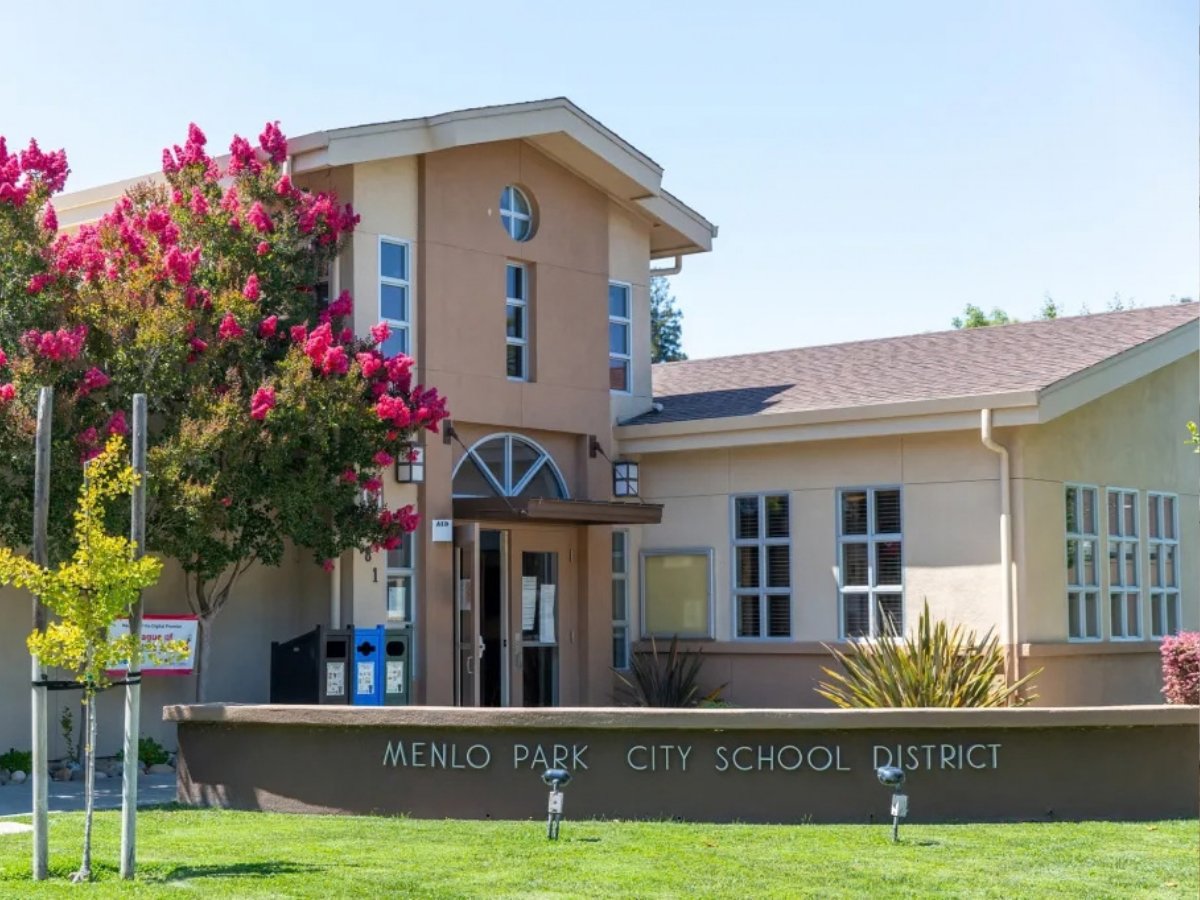
A step-by-step guide to checking Menlo Park and Atherton school boundaries before you buy
Dana Carmel
Sharon Heights vs West Menlo Park: Homes, Schools, Lifestyle and Real Estate Compared
Dana Carmel