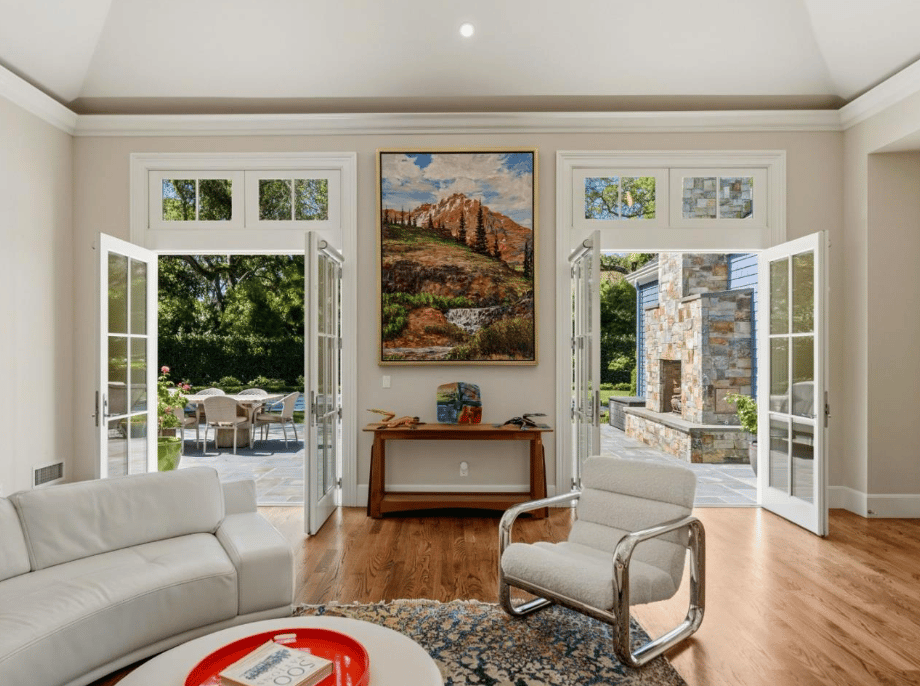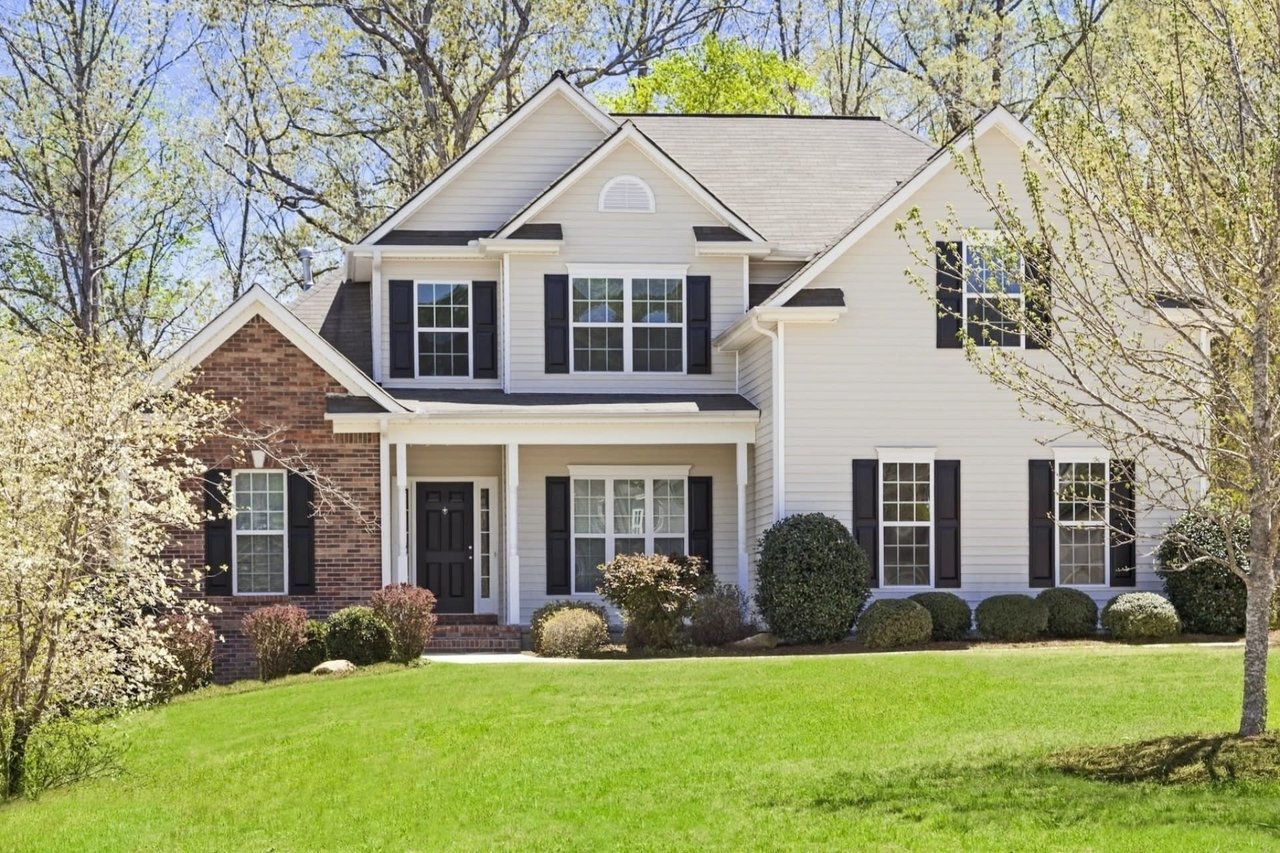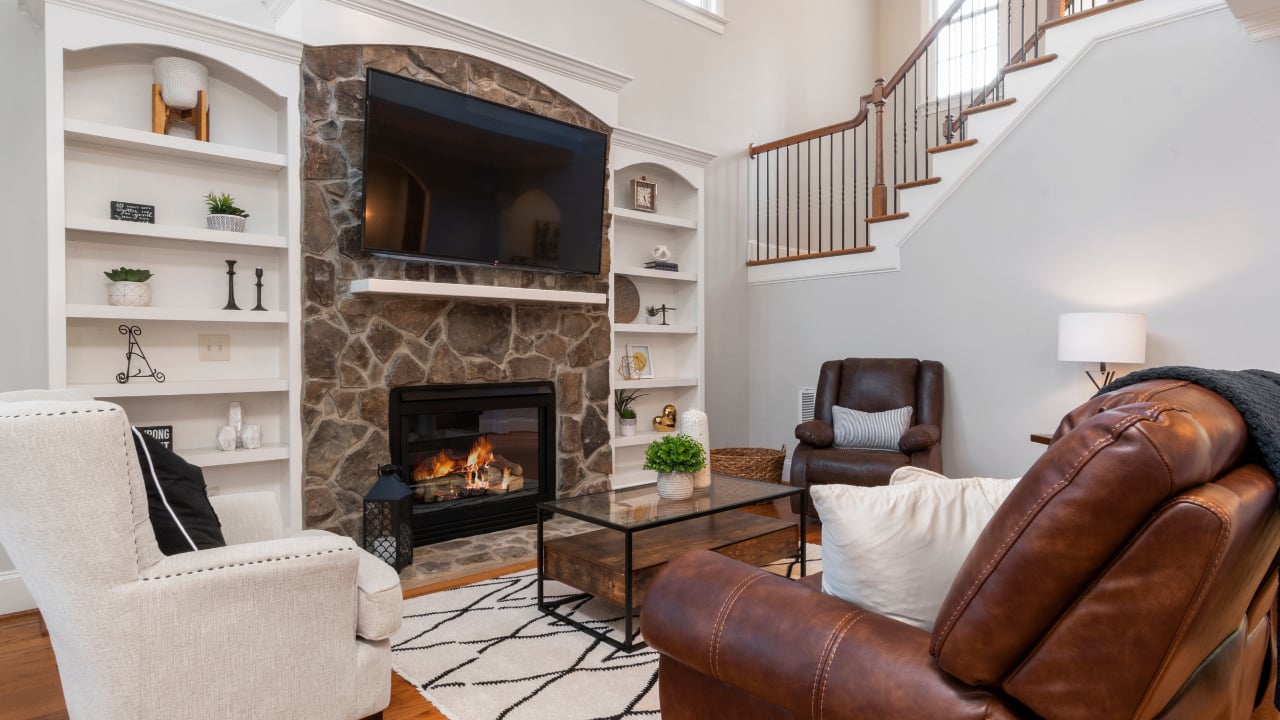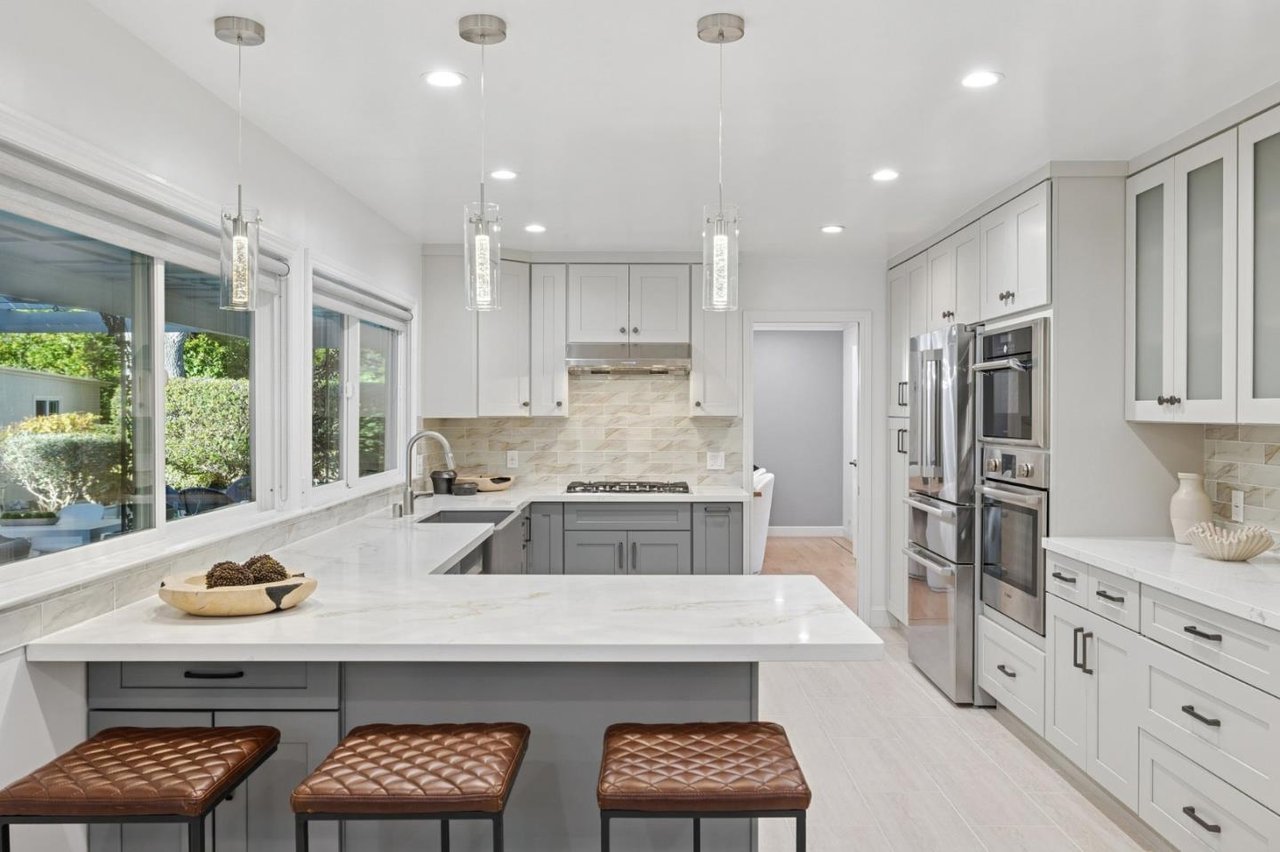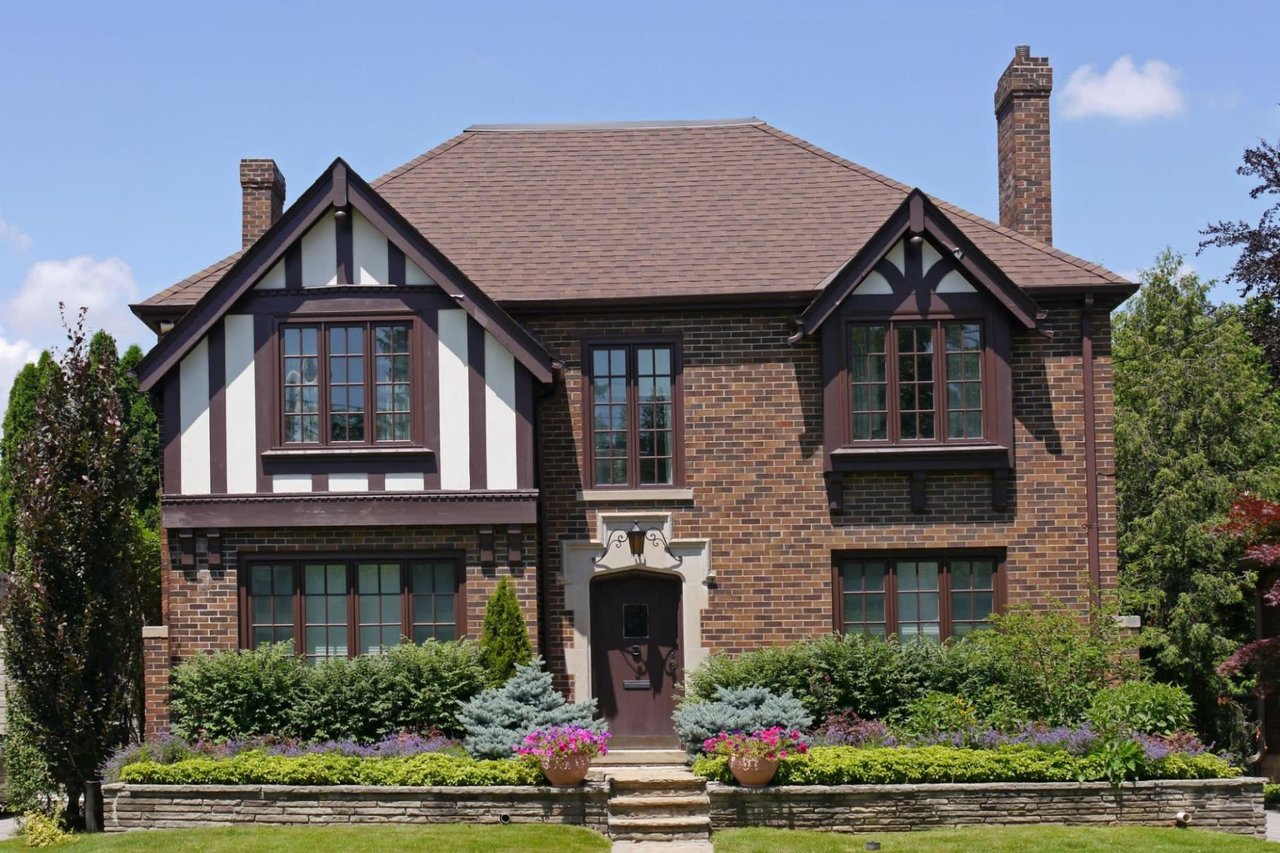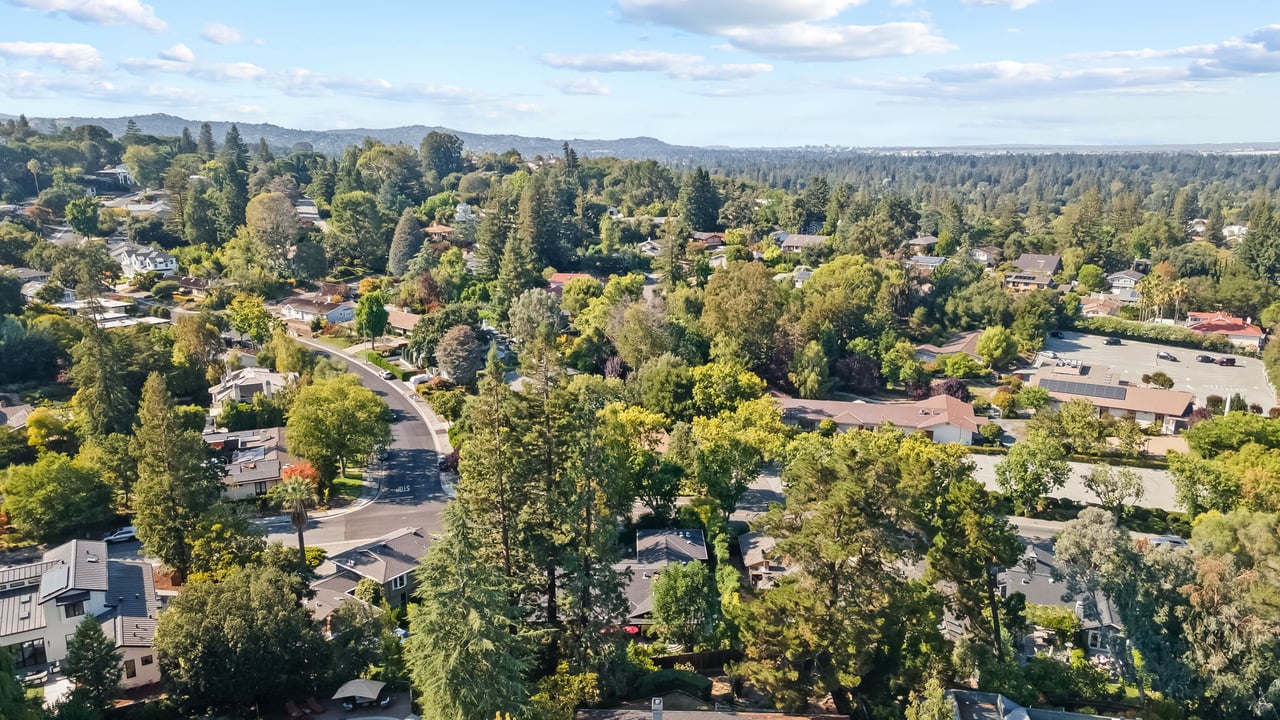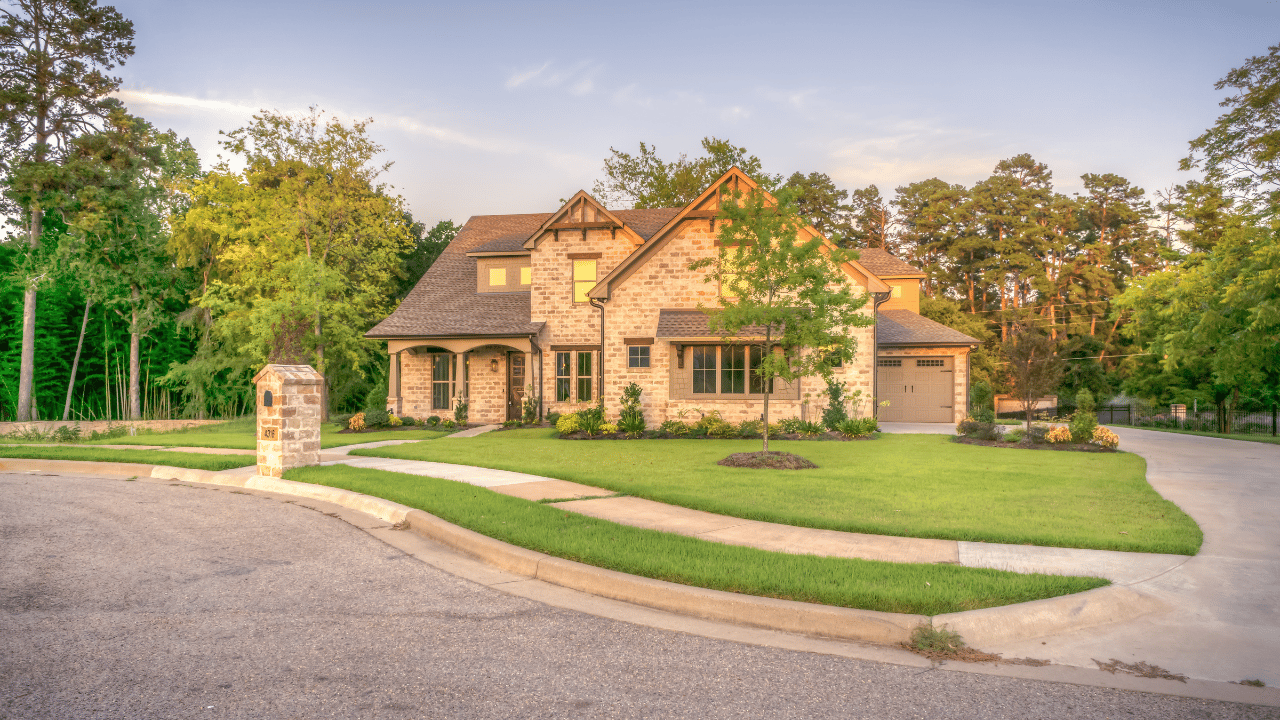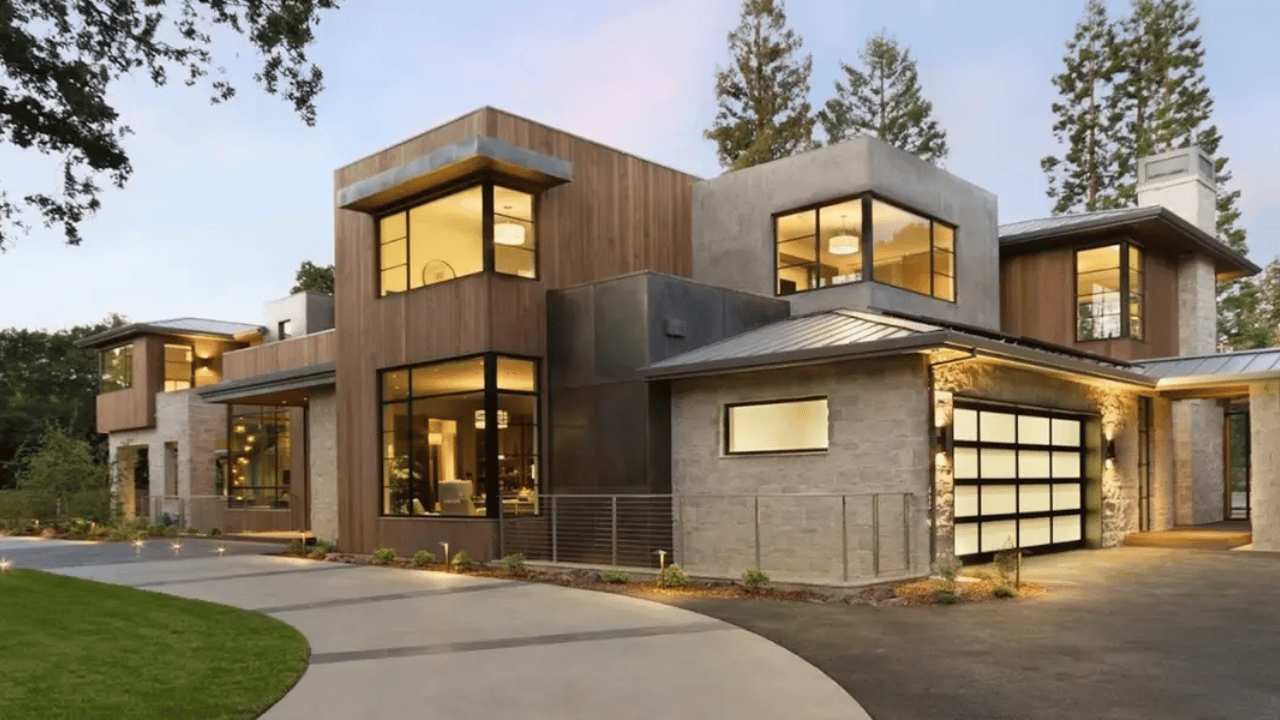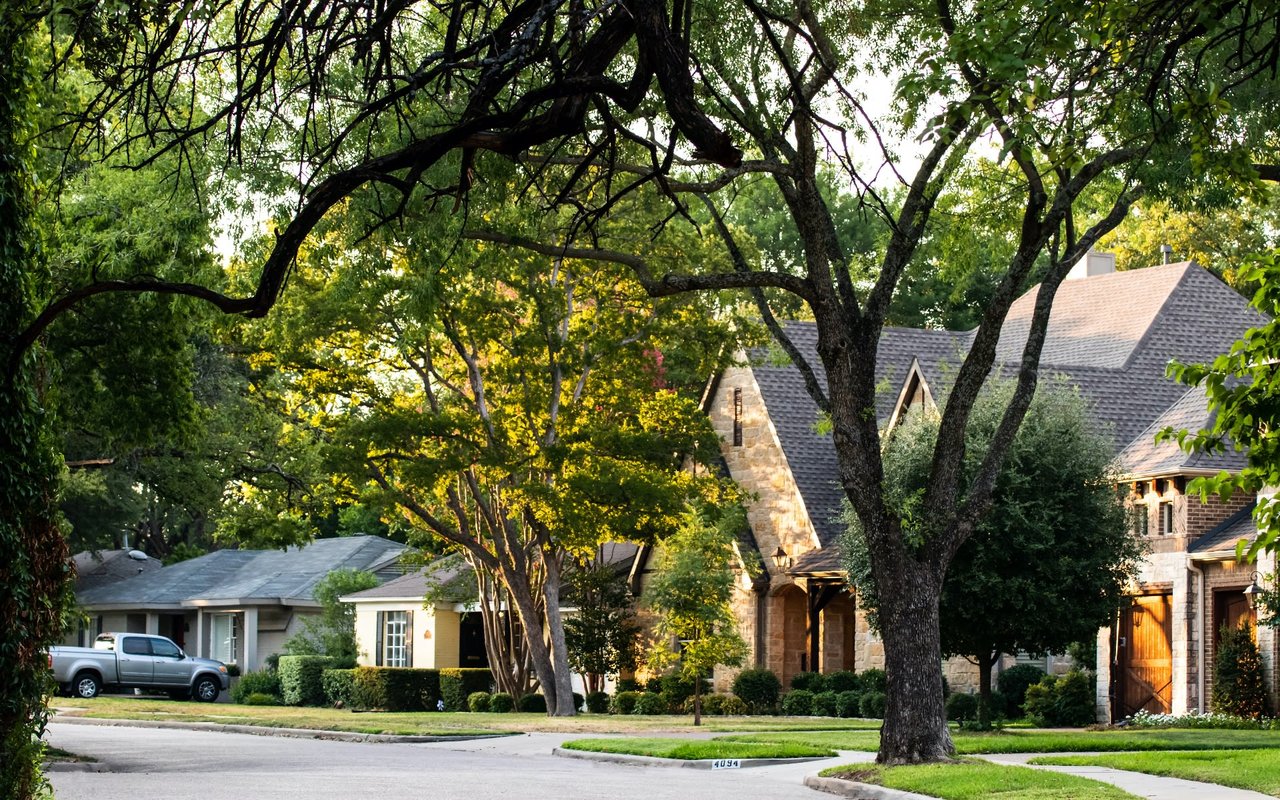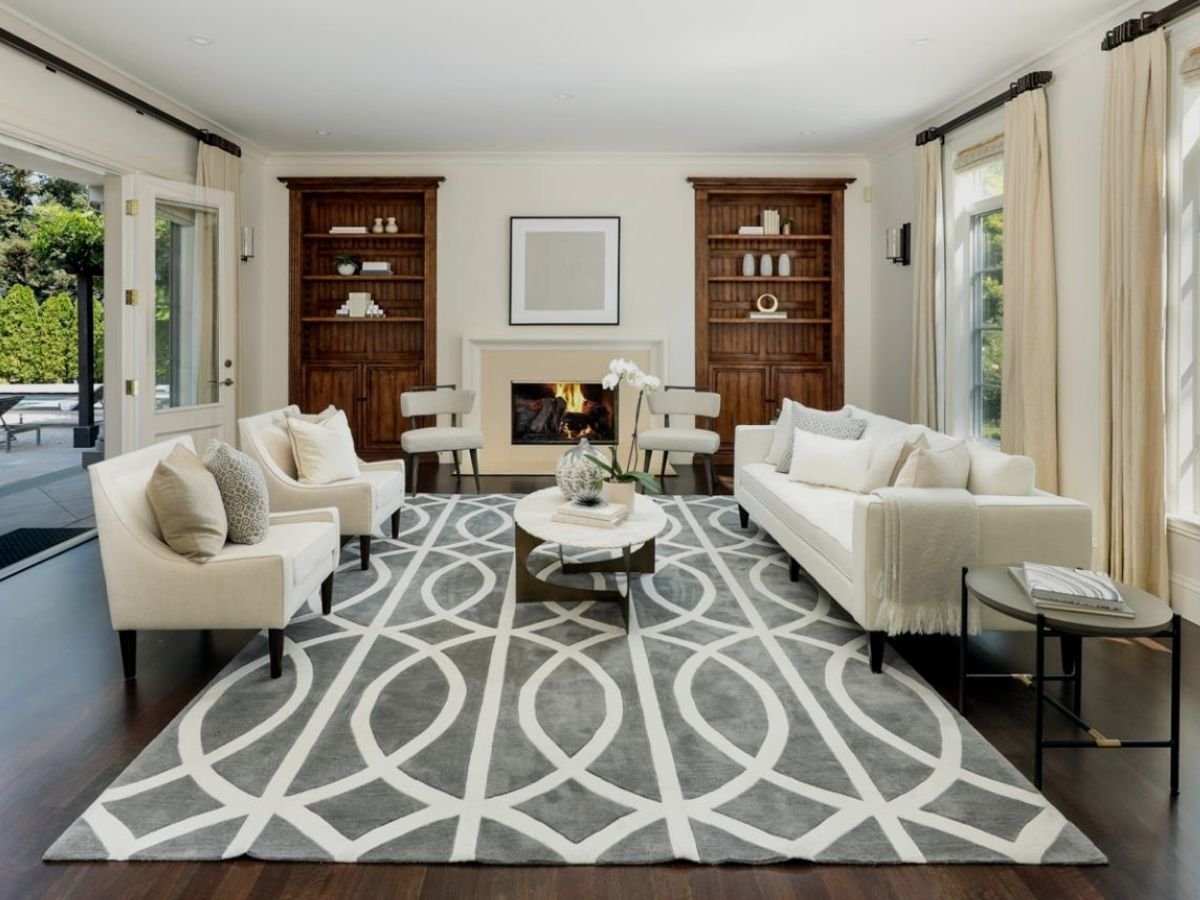
An Atherton home can be marketed privately, but privacy should be treated as an operating plan rather than simply the absence of an MLS listing. A well-managed private sale addresses buyer qualification, property information, photography, showing access, digital distribution, confidentiality, price discovery, and the conditions that would trigger a broader launch.
That distinction matters in Atherton, where a seller may be protecting more than an address. Interior photographs can reveal art, security systems, family routines, collections, vehicles, staff areas, floor plans, and other details that a homeowner would prefer to keep out of broad circulation.
The goal of a private home sale in Atherton is therefore not zero exposure. The goal is controlled exposure to the right buyers, with clear rules around who receives information and when.
Private marketing can work well for some properties and poorly for others. The right strategy depends on the seller’s privacy priorities, the likely buyer pool, the property itself, the asking price, and how much market exposure the seller is willing to trade for discretion.
For a broader explanation of private-market structures, see How Off-Market Sales Work in Atherton. This article focuses specifically on the security, showing, digital privacy, and price-discovery decisions that come with selling privately.
What does “private sale” actually mean in Atherton?
A private sale can describe several different marketing approaches. They are not interchangeable.
An office-exclusive listing generally keeps marketing within a brokerage or other limited channel rather than distributing the property broadly to public-facing real estate websites.
Agent-network marketing relies on direct communication with agents who regularly represent qualified buyers in the relevant price range. In Atherton, that may include agents working throughout the Peninsula, San Francisco, and the South Bay.
Direct buyer outreach involves contacting known or likely purchasers privately, usually based on the property’s price, location, lot characteristics, architecture, or previous buyer activity.
A private exclusive gives the seller controlled exposure without a full public launch. Dana Carmel Group also offers a dedicated Private Exclusives resource for sellers considering this route.
A delayed public launch means the home is prepared for market while the seller first allows limited private exposure.
A hybrid or phased launch begins with targeted outreach and expands only if the first stage does not produce the response the seller wants.
A direct sale to a known buyer is the narrowest form of exposure. The seller may already know the potential purchaser, or an agent may introduce a single buyer before broader marketing begins.
Each approach creates different levels of buyer reach, seller control, feedback, and price discovery. A seller should understand those tradeoffs before choosing one.
Why do Atherton sellers choose private marketing?
Atherton sellers consider private marketing for many reasons, and price is only one of them.
For some households, personal security is the primary concern. A public listing can circulate interior images and detailed property information far beyond the group of people who could realistically purchase the home.
Other sellers want to reduce disruption. A household with staff, tenants, children, frequent travel, or a demanding schedule may prefer fewer, better-qualified showings instead of a high volume of appointments.
Privacy can also matter during an estate or trust administration, a family transition, or a move that has not yet been announced publicly.
Executives, founders, investors, athletes, public-facing professionals, and other homeowners may have additional reasons to control who knows they are selling and what can be seen inside the property. The strategy should focus on the seller’s specific privacy concern rather than assuming every private sale needs the same restrictions.
Some owners also use private marketing to test pricing or buyer interest before making a decision about a wider launch.
Atherton itself contains several distinct micro-markets, including West Atherton, Lindenwood, Atherton Oaks, Lloyden Park, and West of Alameda. Buyer expectations and showing logistics can differ by property even within the same neighborhood. For more local context, see the Atherton neighborhood guide and Atherton Neighborhoods Explained.
How private is an off-market home sale in Atherton?
An off-market listing can improve privacy, but it does not make a transaction invisible.
It helps to separate privacy into several categories.
Marketing privacy concerns where the property is advertised and who receives information.
Showing privacy controls who enters the property, how many people attend, when they arrive, which spaces they may access, and how their visit is documented.
Digital privacy concerns photographs, videos, floor plans, property websites, shared files, email distribution, listing portals, and other material that may persist online.
Ownership privacy concerns the seller’s identity and the entities associated with the property.
Public-record privacy is different. Property transactions can create records or data that remain accessible after closing, depending on how information is recorded and distributed.
Post-closing privacy concerns what remains online after the sale, including listing photographs, cached pages, brokerage databases, historical listing information, and copies retained by third parties.
A seller who wants to protect privacy should identify which of these matters most before marketing begins.
A confidential Atherton home sale can substantially reduce unnecessary circulation of property information. It cannot guarantee that no record, image, transaction detail, or reference to the property will ever exist outside the seller’s control.
How are buyers qualified for a private Atherton home sale?
Qualification is one of the most important differences between a casual private listing and a well-run one.
For a high-value Atherton property, the process can happen in stages rather than asking every inquiry for the same information immediately.
A practical sequence may include:
Identity and agent verification. Confirm who is requesting access and which agent, if any, represents the buyer.
Representation confirmation. Establish how the buyer is working with their agent before sensitive information is distributed.
Preliminary financial qualification. Determine whether the buyer is realistically shopping within the property’s price range.
Proof of funds or lender documentation. Request an appropriate level of financial evidence before sharing highly sensitive materials or authorizing a showing.
Secure document transmission. Sensitive financial information should be handled through controlled channels rather than casually forwarded through long email chains.
Property-specific fit. Confirm that the home generally matches the buyer’s stated needs before opening it for a private appointment.
Showing authorization. Once the seller’s criteria are satisfied, schedule access under the seller’s agreed protocols.
Proof of funds does not necessarily require a buyer to distribute every detail of a financial account. Buyers may be able to redact information such as account numbers while retaining enough documentation to demonstrate capacity. The exact form and level of proof should fit the property, transaction, and seller’s requirements.
The purpose is not to make access difficult. It is to avoid circulating sensitive property information to people who have not demonstrated a credible reason to receive it.
How can Atherton sellers protect sensitive property information?
Privacy planning should happen before photography and before the first buyer enters the home.
A pre-photography privacy walkthrough is one of the simplest safeguards. The seller and listing agent can identify anything that should be removed, concealed, excluded from photography, or placed off limits during showings.
That review should consider items such as security panels and camera locations, safes, art collections, family photographs, children’s rooms, home offices, staff areas, vehicle information, access codes, home-automation controls, architectural plans, keys, mail, calendars, prescription information, and financial paperwork.
Floor plans deserve separate consideration. They are valuable to serious buyers, especially for larger Atherton homes where circulation and room relationships matter. They can also disclose the internal arrangement of the property. A seller may choose to provide detailed floor plans only after a buyer reaches a defined qualification stage.
Security systems should be handled carefully as well. Marketing photographs do not need to show where cameras, alarms, gates, control panels, or other security components are located.
The same rule applies to architectural drawings. A qualified buyer may eventually need detailed information, but broad distribution is rarely necessary at the first stage of private outreach.
Are public photos necessary for a private Atherton sale?
No. Photography can be adjusted to match the seller’s privacy objective.
A full media package gives buyers the most information before they schedule a showing, but it also creates the widest digital footprint.
A selected-media approach may show the exterior, major living areas, kitchen, grounds, and a few architectural details while excluding bedrooms, offices, security features, collections, or other sensitive spaces.
A private media package can be particularly useful in Atherton. Photography, video, floor plans, or disclosures are prepared but distributed only to qualified buyers and their agents.
At the highest level of privacy, a seller may choose no initial photography. This works best when the buyer pool is already narrow and agents can determine fit based on price, location, lot size, bedroom count, architecture, and other basic information.
There is no single correct media strategy. The decision should reflect how much information a buyer needs to decide whether to pursue the property and how much digital exposure the seller is comfortable creating.
How should private showings be managed in Atherton?
A private showing should feel controlled without becoming unnecessarily complicated for a legitimate buyer.
Appointment-only access is the starting point. Before the showing, the listing side can confirm the buyer, buyer’s agent, appointment time, expected group size, and any seller-specific conditions.
For homes with gates, long driveways, detached structures, extensive grounds, household staff, or valuable collections, a defined showing route can reduce unnecessary access to sensitive areas.
The seller may also set designated showing windows instead of allowing appointments throughout the day. This can make it easier to coordinate security systems, staff, pets, family schedules, and property access.
Depending on the seller’s needs, procedures may include sign-in, accompanied showings, limits on photography, restricted rooms, or specific instructions about gates and doors.
After each appointment, the property should be checked. Doors, windows, gates, alarms, lights, and other access points should be returned to their agreed settings.
Feedback matters just as much in a private sale as it does in a public one. The listing agent should document buyer reaction, objections, pricing comments, follow-up questions, and signs of serious interest.
Dana Carmel Group’s listing process includes structured private-showing follow-up and seller reporting so feedback can inform the next decision rather than disappear into informal conversations.
Do private sales reduce price discovery?
They can. A private sale limits the number of buyers who see the property, which may reduce price discovery. That does not mean every private sale produces a lower result.
The outcome depends on the uniqueness of the property, depth of the known buyer pool, pricing accuracy, agent outreach, current demand, and whether the seller is willing to broaden exposure when early response is weak.
An Atherton property with several identifiable buyers already searching for its combination of location, lot, architecture, and price may receive strong private interest.
A property with an unusual floor plan, difficult pricing comparison, highly customized improvements, or a narrower buyer profile may benefit more from wider exposure because the market needs a larger sample of buyers to determine value.
Private marketing also changes the quality of the data available to the seller. If only 5 qualified buyers receive information, the seller needs to know exactly what happened with those 5. Silence, a showing request, a pricing objection, a second visit, and an offer are very different signals.
The central question is not simply, “Can this home be sold off market?”
It is, “Do we have enough qualified exposure to make a confident decision about price and terms?”
Owners still establishing a likely value range can also start with a confidential home valuation and review relevant past transactions before selecting a marketing path.
How does a phased or hybrid strategy work?
A phased launch gives an Atherton seller privacy at the beginning without requiring an all-or-nothing decision.
Phase 1: Valuation and private preparation
Establish pricing, prepare the property, identify what can be photographed, decide which information will be restricted, and define showing procedures.
Phase 2: Quiet agent and buyer outreach
Share the opportunity with a targeted group of qualified buyer agents and known prospects. The Dana Carmel Group listing materials describe an optional Coming Soon or off-market preview that can be used to test pricing and gauge early interest before a full MLS launch.
Phase 3: Review interest and feedback
Evaluate how many qualified buyers engaged, which agents responded, what objections surfaced, and whether anyone is progressing toward an offer.
Phase 4: Accept, adjust, or broaden
If the private launch produces an acceptable offer, the seller can decide whether to proceed. If feedback points to pricing or presentation issues, the strategy can be adjusted.
Phase 5: Optional public launch
If private demand is insufficient, the home can move to a broader marketing plan.
This structure preserves options. It also gives the seller clear decision points instead of leaving a property quietly off market for an open-ended period.
When should an Atherton seller move from private to public marketing?
The answer should be decided before private marketing starts.
A seller may consider broadening exposure when qualified interest is too limited, buyers repeatedly resist the price, agent engagement is weak, first showings do not lead to second visits, or the seller’s timing becomes more important than privacy.
A public launch may also make sense when the property is fully prepared and current buyer activity suggests that broader competition could improve price discovery.
The point of setting these triggers in advance is to reduce emotional decision-making later.
For example, a seller might agree to a defined private-marketing period and review activity at the end. If the campaign produces several qualified showings and serious follow-up, continuing privately may make sense. If outreach produces little response, the seller can broaden exposure without feeling that the first strategy “failed.”
It provided information.
A private-first plan is most useful when the seller knows what evidence will cause the strategy to continue, change, or end.
Protecting digital privacy after the sale
Digital privacy deserves attention before any image leaves the listing agent’s control.
Once photographs are published across MLS feeds, consumer portals, brokerage websites, social platforms, email campaigns, and third-party databases, removing every copy can be difficult.
A seller who expects to request photo removal after closing should discuss that goal before marketing begins.
The safest approach is to limit unnecessary distribution in the first place.
That may mean creating a smaller public photo set, reserving detailed interior photography for qualified buyers, avoiding images of sensitive spaces, restricting floor-plan distribution, or never posting certain photographs publicly.
After closing, owners can request removal or suppression from some websites and databases. Sellers should understand, however, that archived copies, historical listing records, screenshots, syndicated feeds, and other third-party copies may remain outside their control.
This is why “we can remove the photos later” should not be the privacy plan.
A better question is: Which images are we comfortable releasing if they can never be completely retrieved?
For sellers who want to evaluate a more controlled marketing approach before deciding whether to list publicly, the Dana Carmel Group’s Private Home Sale Opportunity outlines another option for confidential property discussions.
Frequently asked questions about private Atherton home sales
Can I sell an Atherton home without putting it on the MLS?
Yes, an Atherton home may be marketed privately through approaches such as direct buyer outreach, limited agent networks, private exclusives, or a direct transaction with a known buyer. The appropriate structure depends on the seller’s goals and the rules that apply to the brokerage and transaction.
Will an off-market home sell for less?
Not necessarily. Private sales reduce exposure, which can reduce price discovery, but the final result depends on buyer demand, pricing, property uniqueness, and the strength of the known buyer pool. A private sale can still produce a strong result when the right qualified buyers are already identifiable.
Can a seller test the price privately?
Yes. A private preview can give the seller early feedback on price and buyer interest before a broader launch. The test is most useful when the agent tracks who received the opportunity, what buyers said, and whether their actions support their feedback.
How are private buyers qualified?
Qualification can include identity verification, buyer-agent confirmation, financial screening, proof of funds or lender documentation, property-fit review, and seller authorization before a showing is scheduled.
Are listing photos required?
No. A seller may use full photography, a limited image set, a private media package, or no initial photography at all. The right choice depends on the seller’s privacy needs and how much information qualified buyers need before scheduling a showing.
Can online listing photos be removed after closing?
Removal can often be requested from some portals and websites, but complete removal cannot be guaranteed. Copies may remain in MLS archives, brokerage systems, cached pages, syndicated databases, or screenshots. Sellers concerned about long-term digital privacy should limit sensitive photography before it is distributed.
Will the sale price become public?
A private marketing strategy does not guarantee that transaction details will remain private after closing. Recorded property information, real estate databases, and other third-party sources may make details of a completed transaction discoverable.
Can I start privately and list publicly later?
Yes. A phased strategy can begin with private preparation and targeted outreach, then move to broader public marketing if the early response does not support the seller’s price or timing goals.
Are open houses necessary?
No. An Atherton home can be sold through appointment-only private showings. For sellers prioritizing security and discretion, limiting access to verified and qualified buyers may be more appropriate than holding a public open house.
Can buyers be required to sign a confidentiality agreement?
A seller can ask prospective buyers to sign a confidentiality agreement before receiving sensitive information. The scope, enforceability, and appropriate terms are legal questions, so sellers considering this approach should have the agreement reviewed by qualified counsel.
If privacy is influencing how or when you sell, a confidential Atherton marketing-strategy consultation can help you compare private, hybrid, and public options before releasing property information or committing to a launch plan. I've helped local sellers navigate a wide range of selling situations and develop strategies that align with their goals, priorities, and comfort level. You can explore some of those experiences in my Client Success Stories. There is no commitment to list, and the conversation can begin with the level of exposure you're comfortable with.