Menlo Oaks Real Estate & Neighborhood Guide
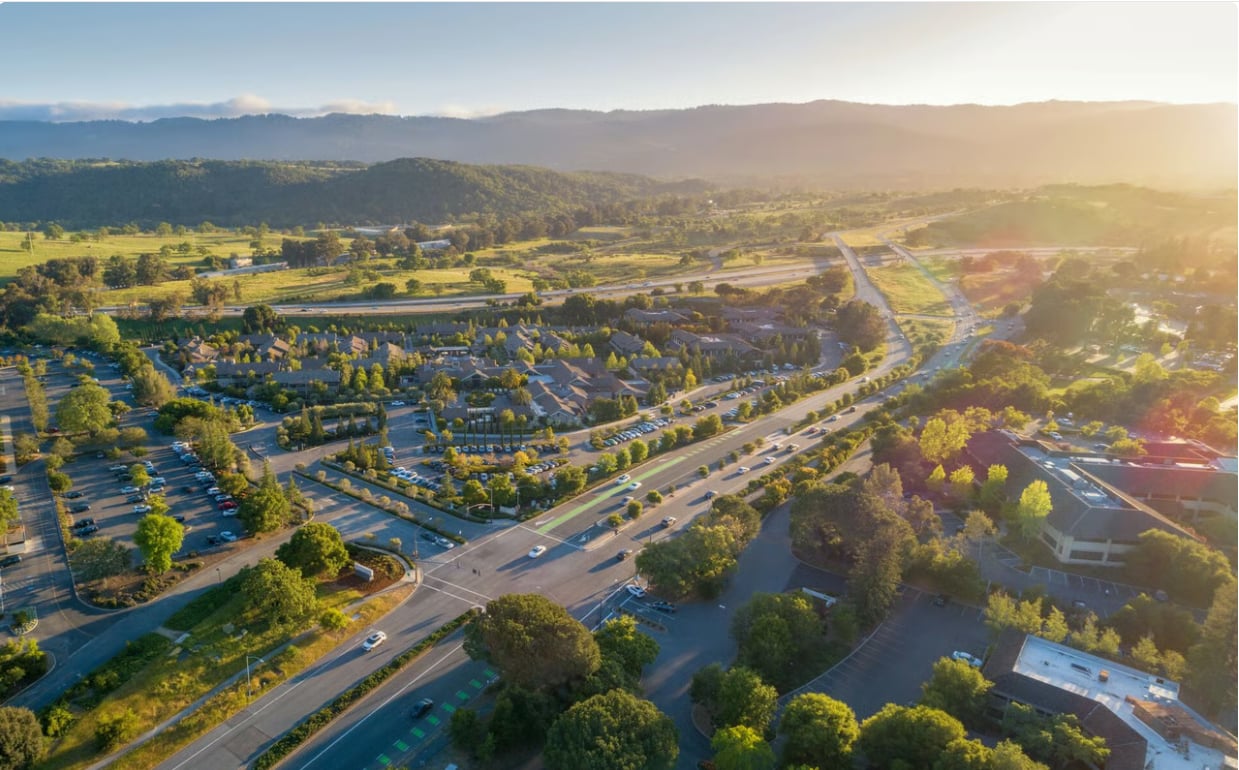
Menlo Oaks is a residential community with Menlo Park mailing addresses that sits within unincorporated San Mateo County. Although it is closely associated with Menlo Park, properties in the core Menlo Oaks neighborhood are governed by the County rather than the City of Menlo Park.
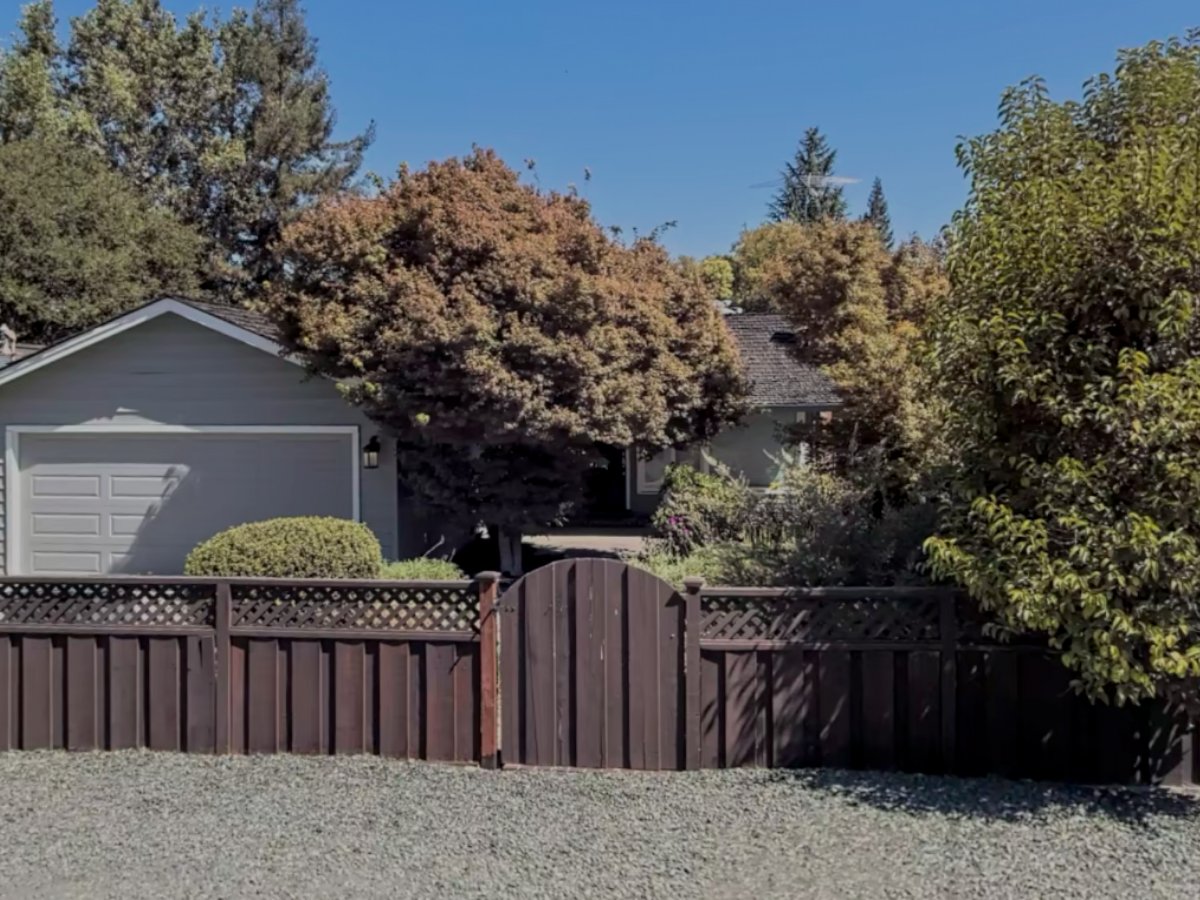
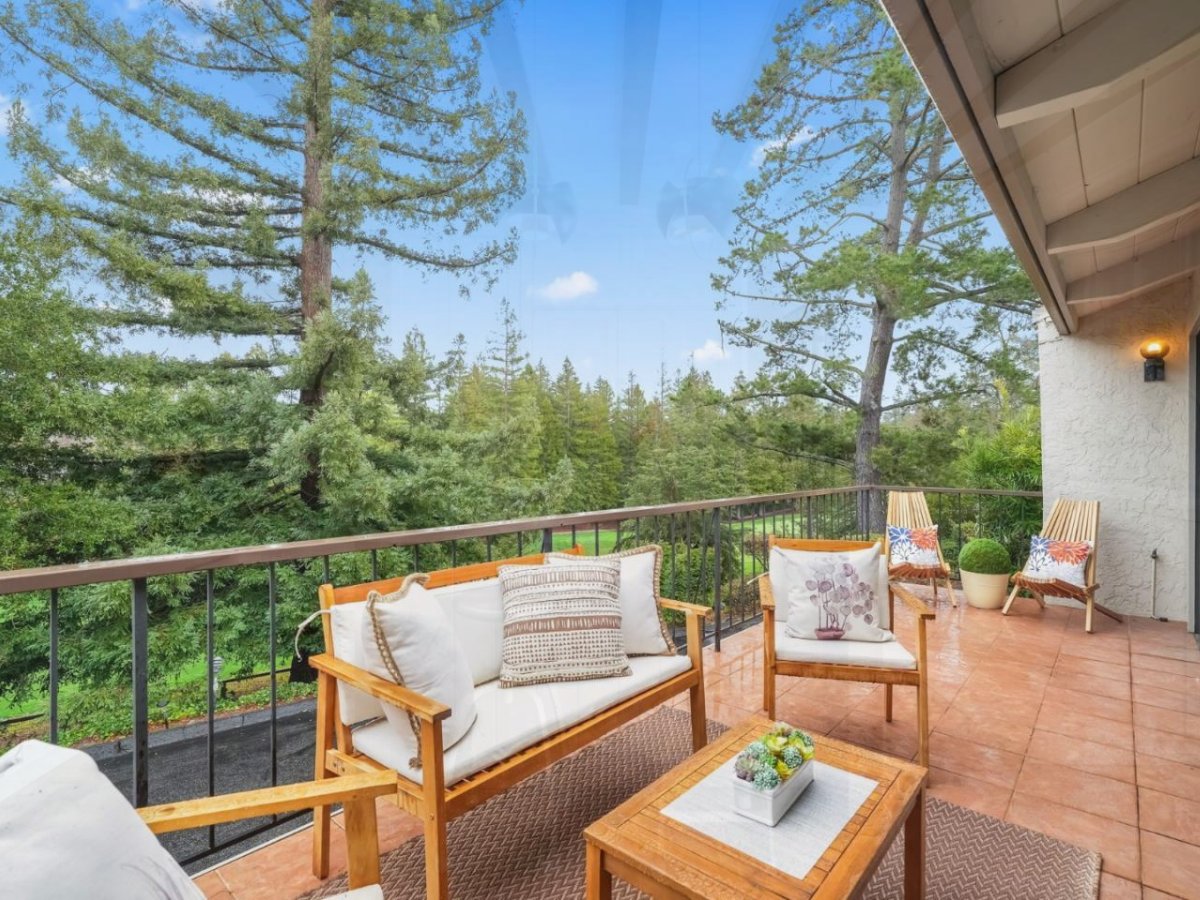
The neighborhood is known for mature trees, larger residential parcels, varied architecture, and streets that feel noticeably different from more urban parts of Menlo Park. Older homes, ranch-style properties, extensively remodeled residences, and newer custom construction can all be found within the area.
Menlo Oaks Is Unincorporated San Mateo County
The jurisdiction is one of the most important things to understand about Menlo Oaks.
A Menlo Park mailing address does not necessarily mean a property is within Menlo Park city limits. The City specifically identifies Menlo Oaks as an example of an area where properties may instead be under San Mateo County jurisdiction.
For those properties, building permits, planning applications, zoning questions, roads, and other local services are handled through San Mateo County. The San Mateo County Sheriff's Office also identifies Menlo Oaks among the unincorporated communities it serves.
Buyers planning a remodel or new construction should confirm the jurisdiction of the individual parcel before relying on City of Menlo Park development information.
Homes and Real Estate in Menlo Oaks
Menlo Oaks has a broad range of residential architecture. Local neighborhood sources describe early homes, ranch properties, Spanish-style residences, Craftsman influences, remodeled homes, and newer custom construction.
Larger lots and deeper setbacks are common in the core neighborhood, although parcel size and configuration vary. Mature oaks and other established trees can also occupy substantial portions of a property.
Those characteristics make the land itself an important part of evaluating a Menlo Oaks home. Lot dimensions, existing improvements, trees, setbacks, renovation history, privacy, and future building potential should be considered alongside the home's square footage and condition.
Mature Oaks and Tree Regulations
The tree canopy is more than a visual characteristic of Menlo Oaks. It can affect what homeowners are able to do with a property.
Because Menlo Oaks is under County jurisdiction, San Mateo County's tree regulations apply rather than the City of Menlo Park's tree ordinance. The County's current Protected Tree Ordinance was adopted in 2024 and provides additional protection for indigenous trees such as oaks, madrones, and buckeyes. Removal can require permits, replacement trees, and in some cases an arborist report.
For a buyer considering an addition, ADU, major remodel, or new home, reviewing protected trees early can help determine how much of the property is realistically available for construction.
Remodeling and Building in Menlo Oaks
Development in Menlo Oaks should be evaluated through San Mateo County Planning.
County zoning determines allowed uses, building placement, density, height, setbacks, and other development requirements. Menlo Oaks parcels can also have residential zoning designations specific to this unincorporated area. For example, County planning documents identify R-1/S-100 as a Menlo Oaks residential density district on the Peninsula School property.
That does not mean every Menlo Oaks parcel has the same zoning.
Before purchasing a property with plans to substantially expand or rebuild, buyers should confirm the parcel's zoning, setbacks, lot coverage, tree constraints, existing permits, and other County requirements.
For sellers with an older home, those same factors may influence whether buyers value the existing residence, renovation potential, or underlying land differently.
Menlo Oaks Schools
School district boundaries and government jurisdiction are separate issues.
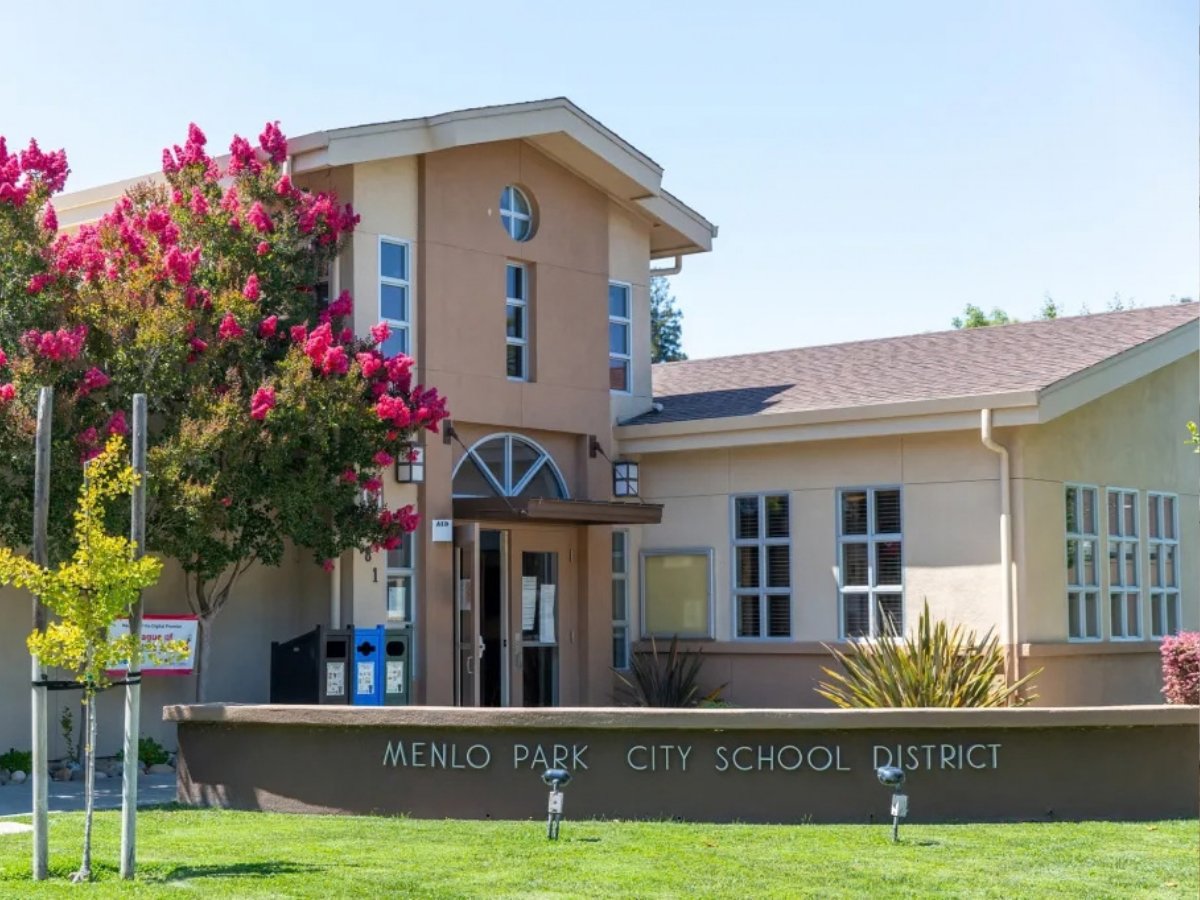
The Menlo Park City School District serves parts of Menlo Park, Atherton, and unincorporated San Mateo County. The district instructs buyers to use its School Locator to confirm whether an individual property falls within MPCSD and to determine the TK-5 neighborhood school.
MPCSD includes Encinal, Laurel, and Oak Knoll elementary schools. All district students in grades 6-8 attend Hillview Middle School. Elementary placement can also be affected by enrollment capacity, so buyers should verify the current assignment rather than relying solely on a listing description.
High school placement is handled separately through the Sequoia Union High School District and is determined by the property address.
Buying and Selling Real Estate in Menlo Oaks
Buying a Home in Menlo Oaks
Start by confirming whether the property is within unincorporated San Mateo County and which agencies govern it.
For homes where renovation or expansion is part of the plan, lot dimensions, County zoning, protected trees, setbacks, existing permits, and the buildable area deserve close review before an offer is made.
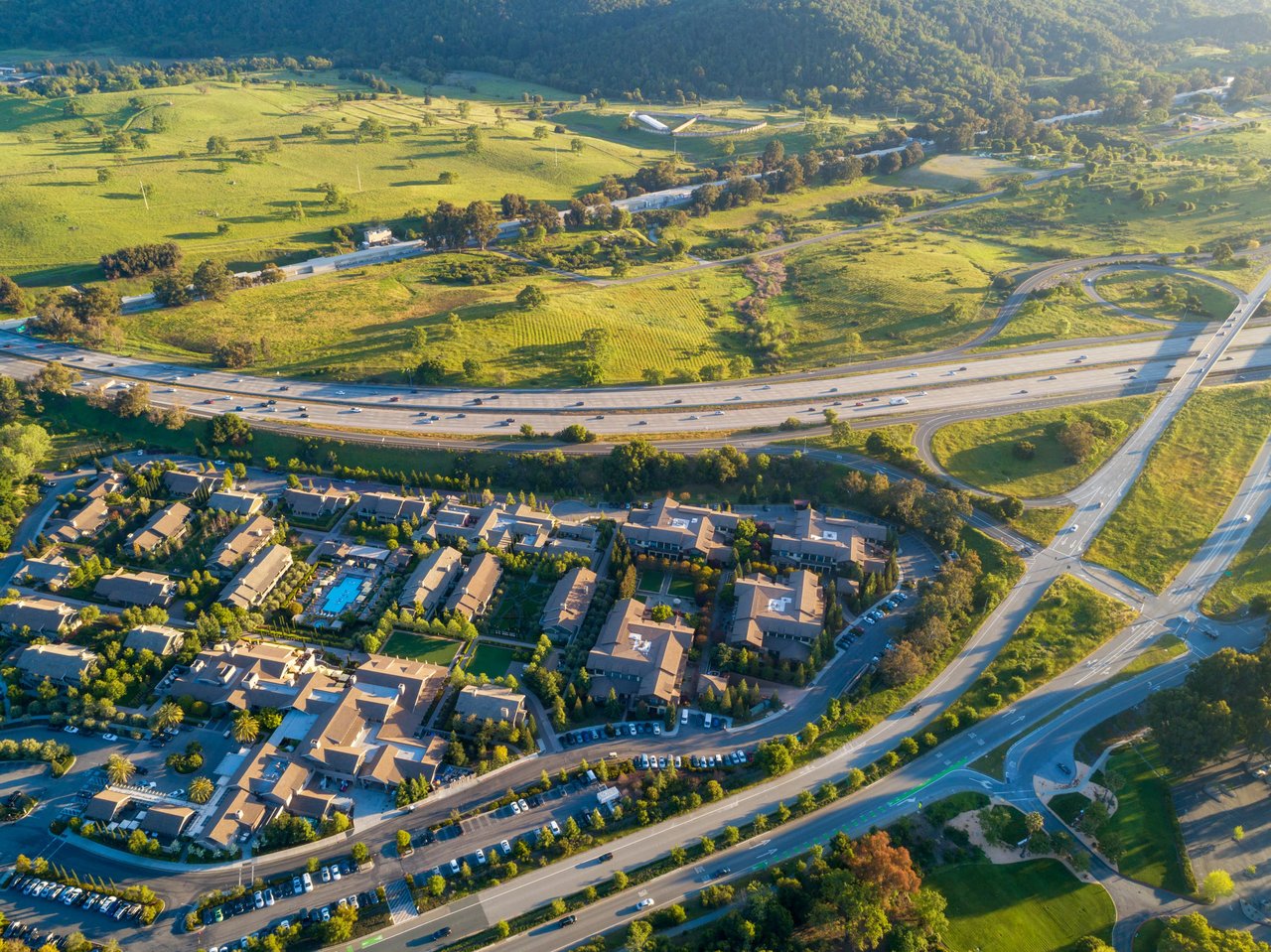
Street location also matters. Road characteristics, nearby schools, access to Middlefield Road, Willow Road and Highway 101, and the home's relationship to neighboring development can vary within a relatively small area.
Selling a Home in Menlo Oaks
Menlo Oaks homes should be compared using property-specific factors rather than a broad neighborhood price per square foot.
Lot size, tree coverage, privacy, existing improvements, architectural character, street location, and future development potential can all affect how buyers evaluate the home. If you're considering selling, understanding the costs and services involved in listing a home can help you evaluate your options. I break down what sellers should know in What Does It Cost to Hire a Listing Agent in Menlo Park or Atherton.
For an older property, a major renovation before selling is not automatically the best use of the seller's budget.
For Homeowners who don't live locally, selling a Menlo Oaks property can require additional coordination around preparation, inspections, showings, and closing. I outline what to plan for in my blog post, Selling a Home in Menlo Park While Living Elsewhere.
Frequently Asked Questions About Menlo Oaks
Is Menlo Oaks part of the City of Menlo Park?
The core Menlo Oaks neighborhood is in unincorporated San Mateo County even though properties use Menlo Park mailing addresses. Building and planning matters for those parcels are handled through San Mateo County rather than the City of Menlo Park.
Why does Menlo Oaks have a Menlo Park address if it is unincorporated?
Mailing addresses and government boundaries are not the same. A property can have a Menlo Park postal address while remaining outside Menlo Park city limits. Buyers should confirm jurisdiction for the individual parcel.
What types of homes are in Menlo Oaks?
Menlo Oaks includes older cottages and residences, ranch homes, remodeled properties, and newer custom construction. Architectural style and home age vary considerably throughout the neighborhood.
Does Menlo Oaks have large lots?
Many properties in the core Menlo Oaks neighborhood have larger parcels and deeper setbacks than homes in denser parts of Menlo Park, but lot dimensions vary by property.
Are trees protected in Menlo Oaks?
Yes. San Mateo County regulates protected trees in its unincorporated communities. Indigenous trees such as oaks are protected at lower size thresholds, and removal may require a permit, arborist documentation, and replacement planting.
Does Menlo Oaks have sidewalks?
Sidewalks are limited rather than entirely absent. The County's 2026 sidewalk inventory identifies approximately 0.39 miles within Menlo Oaks, so conditions should be checked street by street.
What schools serve Menlo Oaks?
Assignment depends on the individual property. MPCSD serves portions of unincorporated San Mateo County and instructs buyers to use its School Locator to verify district eligibility and TK-5 placement. All MPCSD students in grades 6-8 attend Hillview Middle School.
Can I remodel or rebuild a Menlo Oaks home?
Yes, but projects on unincorporated Menlo Oaks parcels are reviewed under San Mateo County zoning and building requirements. Buyers should confirm parcel zoning, setbacks, protected trees, existing improvements, and other development constraints before assuming a particular addition or rebuild is feasible.
Buying or Selling a Home in Menlo Oaks?
Menlo Oaks properties can differ considerably by lot, architecture, tree coverage, condition, street location, and development potential. County jurisdiction also adds considerations that do not apply to properties within Menlo Park city limits. If you're curious how those property-specific factors may affect your home's value, you can request a Home Valuation.
If you are considering buying, selling, remodeling, or evaluating a Menlo Oaks property, my team and I can help you understand how those details affect the individual home.